- Today
- Holidays
- Birthdays
- Reminders
- Cities
- Atlanta
- Austin
- Baltimore
- Berwyn
- Beverly Hills
- Birmingham
- Boston
- Brooklyn
- Buffalo
- Charlotte
- Chicago
- Cincinnati
- Cleveland
- Columbus
- Dallas
- Denver
- Detroit
- Fort Worth
- Houston
- Indianapolis
- Knoxville
- Las Vegas
- Los Angeles
- Louisville
- Madison
- Memphis
- Miami
- Milwaukee
- Minneapolis
- Nashville
- New Orleans
- New York
- Omaha
- Orlando
- Philadelphia
- Phoenix
- Pittsburgh
- Portland
- Raleigh
- Richmond
- Rutherford
- Sacramento
- Salt Lake City
- San Antonio
- San Diego
- San Francisco
- San Jose
- Seattle
- Tampa
- Tucson
- Washington
Families Held in Immigration Detention Longer Than Allowed
Advocates say children are being kept in custody for weeks and months, exceeding legal limits
Feb. 16, 2026 at 9:31pm
Got story updates? Submit your updates here. ›
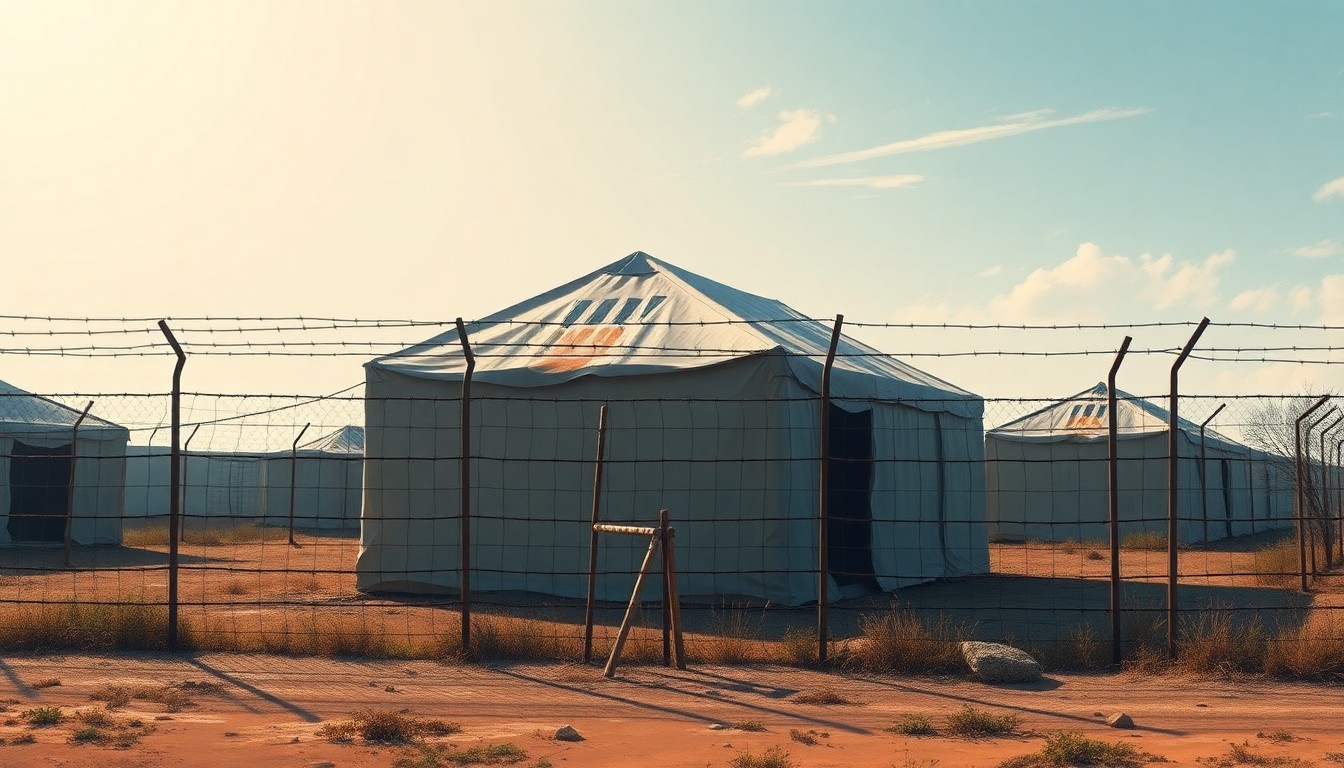
Khelin Marcano, her husband Stiven Prieto, and their 1-year-old daughter Amalia were detained at the Dilley immigration detention center for 60 days - three times the legal limit established by the Flores Settlement. Advocates say the Trump administration is holding children and families seeking asylum in prolonged detention, denying them access to basic necessities like clean water, nutritious food, and adequate medical care.
Why it matters
The prolonged detention of families seeking asylum raises concerns about the Trump administration's immigration policies and the treatment of vulnerable populations, including young children. The Flores Settlement was intended to protect the rights of migrant children, but advocates say the government is flouting these legal protections.
The details
Marcano, Prieto, and their daughter were quickly detained after Marcano's routine ICE check-in, despite previously attending appointments without issue. At the Dilley facility, their young daughter Amalia developed a persistent fever, but medical staff dismissed her symptoms. The family alleged the facility lacked basic hygiene and nutrition, and they saw bugs in the food. Amalia was eventually diagnosed with COVID-19 and a respiratory virus after being transported to a hospital, but the facility confiscated her nebulizer and medication upon their return.
- In December 2026, Khelin Marcano and her family were detained at the Dilley immigration detention center.
- The family was held at the Dilley facility for 60 days, three times the legal limit established by the Flores Settlement.
The players
Khelin Marcano
A mother who was detained at the Dilley immigration detention center with her husband and 1-year-old daughter.
Stiven Prieto
Khelin Marcano's husband, who was detained with her and their daughter at the Dilley facility.
Amalia
Khelin and Stiven's 1-year-old daughter, who was detained with her parents at the Dilley facility.
Elora Mukherjee
The family's lawyer, who argued that children and families at the Dilley facility did not have access to sufficient clean drinking water, nutritious food, or adequate medical care.
Department of Homeland Security
The government agency that confirmed the family's detention and release.
What they’re saying
“Children and families at the Dilley facility don't have access to sufficient clean drinking water, where they don't have access to sufficient nutritious food, [and] don't have access to adequate medical care.”
— Elora Mukherjee, The family's lawyer
“The doctor told me that fever was a good sign because it meant she was actively fighting a virus. I got really upset … and told her that whatever the case was, a fever is not a good thing. If she didn't know that fever could kill people, or that fever could cause convulsions, fever would never be good.”
— Khelin Marcano
“They took her treatment away. Why does this happen to us if we have done everything right? I was begging the officers to please help me get out of there, and no one listened to me.”
— Khelin Marcano
What’s next
The family's first court date is scheduled for 2027, according to their attorney.
The takeaway
This case highlights the ongoing concerns about the Trump administration's treatment of migrant families seeking asylum, particularly the prolonged detention of children in conditions that lack basic necessities and adequate medical care. It raises questions about the government's adherence to legal protections like the Flores Settlement and the long-term impacts of detention on vulnerable populations.
El Paso top stories


El Paso events

Apr. 11, 2026
The UTEP Dinner Theatre - RENT
Apr. 11, 2026
Swan Lake by International Ballet Stars
Apr. 11, 2026
El Paso Rhinos