- Today
- Holidays
- Birthdays
- Reminders
- Cities
- Atlanta
- Austin
- Baltimore
- Berwyn
- Beverly Hills
- Birmingham
- Boston
- Brooklyn
- Buffalo
- Charlotte
- Chicago
- Cincinnati
- Cleveland
- Columbus
- Dallas
- Denver
- Detroit
- Fort Worth
- Houston
- Indianapolis
- Knoxville
- Las Vegas
- Los Angeles
- Louisville
- Madison
- Memphis
- Miami
- Milwaukee
- Minneapolis
- Nashville
- New Orleans
- New York
- Omaha
- Orlando
- Philadelphia
- Phoenix
- Pittsburgh
- Portland
- Raleigh
- Richmond
- Rutherford
- Sacramento
- Salt Lake City
- San Antonio
- San Diego
- San Francisco
- San Jose
- Seattle
- Tampa
- Tucson
- Washington
Celebrities Call for Closure of Texas ICE Detention Center
Madonna, John Legend, Pedro Pascal among hundreds demanding end to child detentions.
Mar. 31, 2026 at 9:47am
Got story updates? Submit your updates here. ›
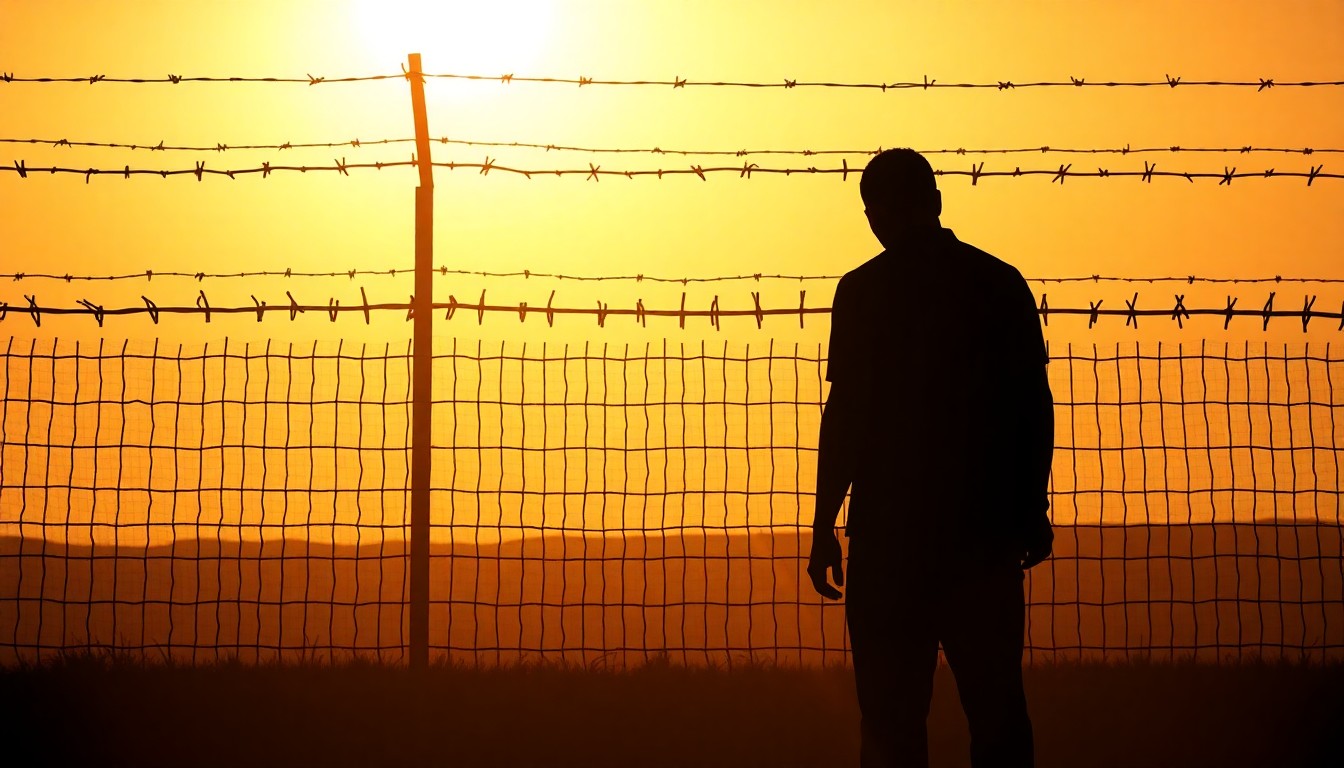 A powerful visual metaphor for the human toll of immigrant detention policies that have drawn widespread condemnation.Dilley Today
Hundreds of celebrities, including Madonna, John Legend, and Pedro Pascal, have signed an open letter calling for the closure of the Dilley Immigration Processing Center in Texas. The detention facility has been holding more than 2,300 children and their parents in recent months, drawing widespread criticism from human rights groups.
Why it matters
The detention of children and families at the Dilley facility has become a major political flashpoint, with advocates arguing that the practice violates human rights and causes lasting trauma. The high-profile involvement of celebrity activists is intended to bring greater public attention and pressure to bear on the issue.
The details
The open letter, organized by advocacy groups, demands an immediate end to the detention of children and families at the Dilley facility. It cites concerns over the psychological impact on young detainees and calls for the center to be permanently shuttered.
- The Dilley Immigration Processing Center has been holding detainees since early 2026.
The players
Madonna
Iconic pop singer and longtime activist.
John Legend
Grammy-winning singer-songwriter and civil rights advocate.
Pedro Pascal
Actor known for roles in 'Game of Thrones' and 'The Mandalorian'.
What they’re saying
“No child should be locked in an immigration detention center. It's a violation of their human rights.”
— Madonna
The takeaway
The high-profile call to action from celebrities underscores the growing public outcry over the detention of immigrant families, particularly children, and could increase pressure on policymakers to find alternative solutions that protect vulnerable populations.