- Today
- Holidays
- Birthdays
- Reminders
- Cities
- Atlanta
- Austin
- Baltimore
- Berwyn
- Beverly Hills
- Birmingham
- Boston
- Brooklyn
- Buffalo
- Charlotte
- Chicago
- Cincinnati
- Cleveland
- Columbus
- Dallas
- Denver
- Detroit
- Fort Worth
- Houston
- Indianapolis
- Knoxville
- Las Vegas
- Los Angeles
- Louisville
- Madison
- Memphis
- Miami
- Milwaukee
- Minneapolis
- Nashville
- New Orleans
- New York
- Omaha
- Orlando
- Philadelphia
- Phoenix
- Pittsburgh
- Portland
- Raleigh
- Richmond
- Rutherford
- Sacramento
- Salt Lake City
- San Antonio
- San Diego
- San Francisco
- San Jose
- Seattle
- Tampa
- Tucson
- Washington
Denton Today
By the People, for the People
Texas Public Schools Debate Bible Stories in Reading List
Proposed curriculum update sparks heated discussion over role of religion in education
Apr. 8, 2026 at 12:50am
Got story updates? Submit your updates here. ›
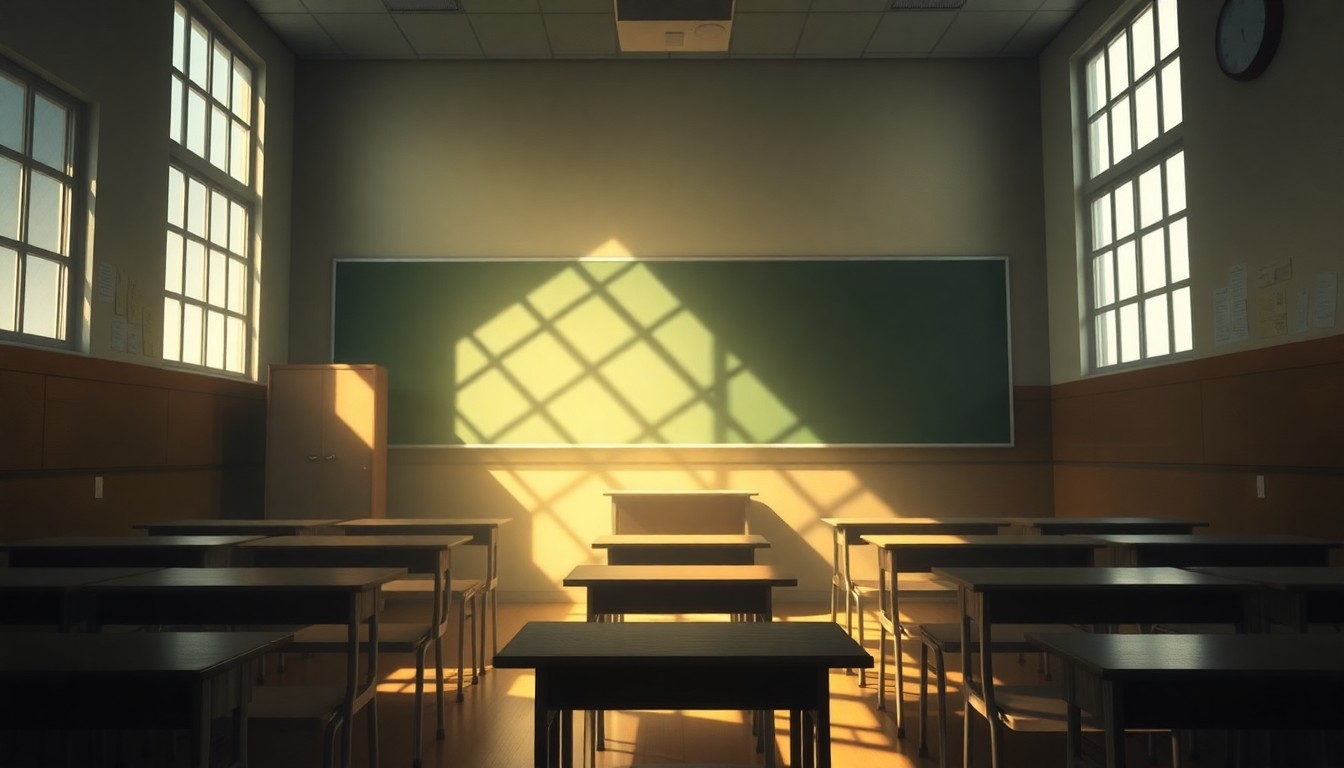 The debate over incorporating Bible stories into Texas public school curriculum highlights the ongoing tensions between religious expression and the separation of church and state.Denton Today
A new Texas public school reading list that includes Bible stories like Jonah and the Whale has drawn an overflow crowd to a state education board meeting, with religious leaders, teachers, parents, and students debating whether the passages are essential to understanding the nation's history and morals or unconstitutional proselytization.
Why it matters
The debate over the role of religion in public schools continues to drive legislation and legal action across the country, with Texas often at the forefront of these discussions. The outcome of this curriculum debate could have national implications as schools navigate the balance between teaching about religion and teaching religion.
The details
The proposed reading list, stemming from a 2023 state law, would include Bible stories for grades 3-12, as well as other classic literature and works by famous African Americans. Supporters argue the passages are crucial for understanding the country's history and morals, while critics cite the First Amendment's 'establishment clause' and say the list amounts to unconstitutional proselytization. The state education board is expected to take a final vote on the list in June, with any changes not taking effect until the 2030-31 school year.
- The state education board meeting where the reading list was debated took place on Tuesday.
- In 2023, Texas became the first state to allow chaplains in public schools.
- Last year, a Republican-led mandate that the Ten Commandments be displayed in public schools took effect in Texas, although around 12 dozen districts took them down due to a lawsuit.
The players
Nathan Irving
A pastor and father of eight from Myrtle Springs, Texas, who argued that the passages are essential for providing 'truth' and understanding the country's 'Christian worldview'.
Rabbi Josh Fixler
Of Congregation Emanu El, a reform synagogue in Houston, who said the list is a 'tool of proselytization' that has no place in public schools.
Megan Boyden
A mother of three from Denton, Texas, who described the list as a direct attack on her private Christian faith, arguing it is not the state's job to teach religion through the lens of a teacher who may not share her beliefs.
Allison Cardwell
A mother of a fourth-grader and a fifth-grade social studies teacher, who urged the board to rethink the standards, arguing that fifth grade would be the only time most Texas students receive instruction in U.S. history until high school.
What they’re saying
“Our children need truth. Truth is the only currency that never devalues. Investing truth into our children is the most loving thing that we can do for them. This is the truth. This country and this state were founded upon a Christian worldview. Like it or not, it is true.”
— Nathan Irving, Pastor and father
“This list is a tool of proselytization that has no place in our public schools. There is a difference between teaching about religion and teaching religion, and this list will force teachers to cross that line.”
— Rabbi Josh Fixler, Rabbi, Congregation Emanu El
“As a Christian mother, it is my right and responsibility to teach our family's religion. It is not the state's job to shed through the lens of a teacher who may not share the same beliefs I do. Will Bible passages be taught in conflict with my beliefs? What of non-Christian students?”
— Megan Boyden, Mother of three
What’s next
The state education board is expected to take a final vote on the reading list in June. If approved, the changes would not take effect until the 2030-31 school year.
The takeaway
This debate highlights the ongoing tensions over the role of religion in public education, with supporters arguing the passages are essential for understanding the nation's history and morals, while critics view the list as unconstitutional proselytization. The outcome could have significant implications for how religion is addressed in classrooms across the country.