- Today
- Holidays
- Birthdays
- Reminders
- Cities
- Atlanta
- Austin
- Baltimore
- Berwyn
- Beverly Hills
- Birmingham
- Boston
- Brooklyn
- Buffalo
- Charlotte
- Chicago
- Cincinnati
- Cleveland
- Columbus
- Dallas
- Denver
- Detroit
- Fort Worth
- Houston
- Indianapolis
- Knoxville
- Las Vegas
- Los Angeles
- Louisville
- Madison
- Memphis
- Miami
- Milwaukee
- Minneapolis
- Nashville
- New Orleans
- New York
- Omaha
- Orlando
- Philadelphia
- Phoenix
- Pittsburgh
- Portland
- Raleigh
- Richmond
- Rutherford
- Sacramento
- Salt Lake City
- San Antonio
- San Diego
- San Francisco
- San Jose
- Seattle
- Tampa
- Tucson
- Washington
Indian Restaurants Embrace Robots, Blending Tech and Hospitality
DRDO-backed startups and high-end hotels lead the charge in revolutionizing the dining experience with robotic servers
Apr. 12, 2026 at 7:35am
Got story updates? Submit your updates here. ›
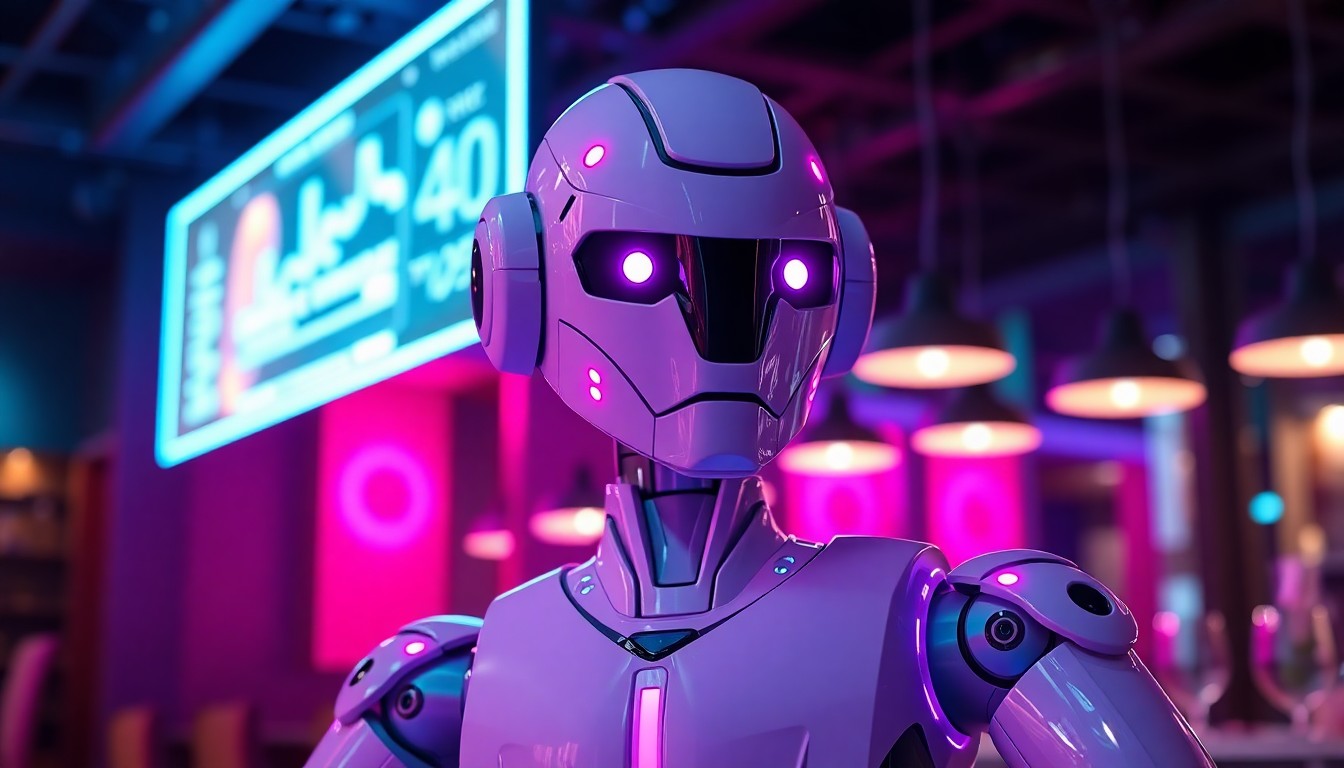 Robots are revolutionizing the Indian dining experience, seamlessly blending digital innovation and physical automation to enhance efficiency and elevate the human workforce.Dallas Today
The Indian restaurant industry is undergoing a technological transformation, embracing robotics to enhance efficiency and customer experience. Driven by post-pandemic dining trends and the need for innovative solutions, establishments like Roseate Hotels & Restaurants, Hilton Gurugram Baani City Centre, and smaller ventures such as Mie.Roboluscious and Cafe Safar are integrating robotic servers into their operations. These robots handle repetitive tasks like food delivery, allowing human staff to focus on personalized service and guest interaction. The industry is learning from past failures and emphasizing a co-dependent relationship between humans and machines, aiming to elevate the workforce and improve operational efficiency.
Why it matters
The adoption of robots in Indian restaurants represents a significant shift in the industry, driven by data-driven insights and a desire to optimize operations in the post-pandemic landscape. This transition challenges the initial disappointment with early restaurant robots and showcases a more thoughtful, collaborative approach that positions automation as a tool to enhance the human workforce and dining experience, rather than replace it. The industry's focus on co-dependency and continuous technological upgrades highlights its commitment to embracing innovation while addressing concerns around job losses and customer perception.
The details
The Indian restaurant industry is embracing robotics, with high-end properties like Roseate Hotels & Restaurants and Hilton Gurugram Baani City Centre, as well as smaller establishments like Mie.Roboluscious and Cafe Safar, leading the way. Robots are being used to serve food, enhance efficiency, and even handle room service deliveries and luggage handling. The industry is pushing back against fears of job losses, arguing that automation can elevate the workforce and free human staff for guest-facing roles that require empathy, judgment, and personalization. At Roseate House, a 140-cm-tall robot glides silently to a table and pauses, delivering dishes while human servers engage with guests. The system reduces the constant back-and-forth between the kitchen and dining area, easing pressure on staff and allowing them to focus on service quality. Robotic servers are emerging as a supporting cast rather than main leads, handling repetitive tasks like carrying dishes while human staff focus on interaction. They also double up as marketing tools, with guests excitedly clicking pictures and videos that become free marketing. At Hilton Gurugram Baani City Centre, a robot will serve welcome drinks in the lobby, with a tech-led upgrade planned. The hotel has mapped its lobby to choreograph the robot's movement, allowing guests to pick up beverages. The industry is learning from past failures, such as Jeet Basa's Robot Chef in Bhubaneswar, which struggled to sustain itself due to operational hiccups and a lack of clarity around real operational needs.
- The Indian restaurant industry has been embracing robotics since the post-pandemic surge in dining.
- Roseate Hotels & Restaurants and Hilton Gurugram Baani City Centre have recently integrated robotic servers into their operations.
- Smaller establishments like Mie.Roboluscious and Cafe Safar have also adopted robotic technology to enhance their dining experiences.
The players
Roseate Hotels & Restaurants
A high-end hotel chain that has integrated robotic servers into its operations to improve efficiency and customer experience.
Hilton Gurugram Baani City Centre
A luxury hotel that has deployed a robot to serve welcome drinks in its lobby, as part of a tech-led upgrade.
Mie.Roboluscious
A smaller restaurant establishment that has embraced robotic technology to enhance its dining experience.
Jeet Basa
The owner of a failed Robot Chef restaurant in Bhubaneswar, whose venture struggled to sustain itself due to operational challenges and a lack of clarity around real operational needs.
Bir Singh
The CSO and co-founder of Addverb, a company that designs and develops service robots for the hospitality industry.
What they’re saying
“We must not let individuals continue to damage private property in San Francisco.”
— Robert Jenkins, San Francisco resident
“Fifty years is such an accomplishment in San Francisco, especially with the way the city has changed over the years.”
— Gordon Edgar, grocery employee
“Robots will help equip the workforce and improve their training and pay.”
— Jishu Bansal, Owner of Mie.Roboluscious
“Robots can malfunction mid-service, lack emotional intelligence, and require high investment.”
— Chef Nishant Chaubey
“The robots helped tackle a major problem: the cribbing customers, entertaining and distracting them with pictures and videos.”
— Nitin, Floor manager at Mie.Roboluscious
What’s next
The industry is expected to continue exploring and refining its use of robotic technology, with a focus on enhancing the co-dependency between humans and machines. As the adoption of robots in Indian restaurants grows, there will likely be ongoing discussions around addressing concerns related to job losses, data privacy, and the long-term sustainability of this technological shift.
The takeaway
The embrace of robotics in the Indian restaurant industry represents a significant shift towards leveraging technology to improve operational efficiency and the overall dining experience. By positioning robots as a supporting cast rather than main leads, the industry is demonstrating a thoughtful approach that aims to elevate the human workforce and address past failures. This transition highlights the industry's commitment to innovation, while also underscoring the importance of maintaining a balance between automation and the human touch that is essential to the hospitality sector.
Dallas top stories



Dallas events

Apr. 12, 2026
Some Like it Hot (Touring)
Apr. 12, 2026
Some Like it Hot (Touring)
Apr. 12, 2026
Ro James and Sentury