- Today
- Holidays
- Birthdays
- Reminders
- Cities
- Atlanta
- Austin
- Baltimore
- Berwyn
- Beverly Hills
- Birmingham
- Boston
- Brooklyn
- Buffalo
- Charlotte
- Chicago
- Cincinnati
- Cleveland
- Columbus
- Dallas
- Denver
- Detroit
- Fort Worth
- Houston
- Indianapolis
- Knoxville
- Las Vegas
- Los Angeles
- Louisville
- Madison
- Memphis
- Miami
- Milwaukee
- Minneapolis
- Nashville
- New Orleans
- New York
- Omaha
- Orlando
- Philadelphia
- Phoenix
- Pittsburgh
- Portland
- Raleigh
- Richmond
- Rutherford
- Sacramento
- Salt Lake City
- San Antonio
- San Diego
- San Francisco
- San Jose
- Seattle
- Tampa
- Tucson
- Washington
Inflation Hits North Texas Hard, But Housing Costs Decline
Gas, medical care, and dining out lead price jumps, while shelter costs drop in the Dallas-Fort Worth area.
Apr. 11, 2026 at 5:49pm
Got story updates? Submit your updates here. ›
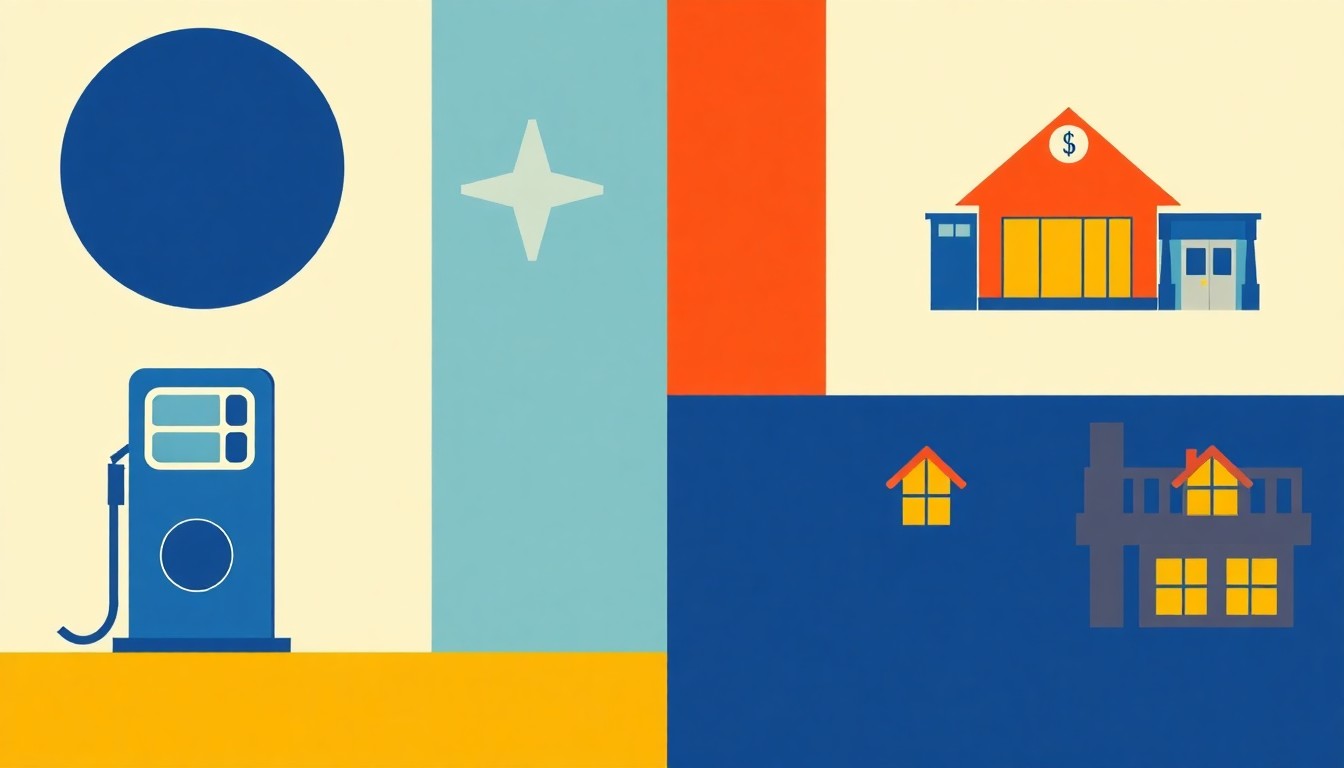 Diverging inflation trends in North Texas reveal regional economic factors impacting the cost of living.Dallas Today
Inflation continued to rise across the U.S. in March, with North Texas seeing similar trends in some areas like surging gas and energy prices, as well as higher medical care and food costs. However, the Dallas-Fort Worth region bucked the national trend when it came to housing, with shelter costs declining 0.6% year-over-year as rent and homeowners' equivalent rent both fell locally.
Why it matters
The diverging inflation patterns in North Texas compared to the rest of the country highlight how regional economic factors can impact the cost of living in different ways. While high gas, healthcare, and dining prices are squeezing many Dallas-Fort Worth consumers, the drop in housing costs provides some relief in a key expense category.
The details
Nationally, energy costs were a major driver of inflation, increasing 12.6% over the year, including a 21.2% jump in gasoline prices. In the Dallas-Fort Worth-Arlington area, gas prices surged 19.7% year over year, and energy costs overall rose 11.7%. Medical care costs also rose faster locally, climbing 6.3% compared to 3.1% nationwide. Food prices increased 2.8% in North Texas, with a 3.3% hike in groceries and a 2.2% rise in dining out.
- Inflation data is for March 2026 compared to March 2025.
The players
Dallas-Fort Worth-Arlington area
The metropolitan region encompassing the cities of Dallas, Fort Worth, and Arlington in North Texas.
The takeaway
The diverging inflation patterns in North Texas highlight how regional economic factors can impact the cost of living in different ways. While high gas, healthcare, and dining prices are squeezing many Dallas-Fort Worth consumers, the drop in housing costs provides some relief in a key expense category.
Dallas top stories


Dallas events
Apr. 11, 2026
Some Like it Hot (Touring)
Apr. 11, 2026
Dallas Stars vs. New York Rangers
Apr. 11, 2026
Some Like it Hot (Touring)