- Today
- Holidays
- Birthdays
- Reminders
- Cities
- Atlanta
- Austin
- Baltimore
- Berwyn
- Beverly Hills
- Birmingham
- Boston
- Brooklyn
- Buffalo
- Charlotte
- Chicago
- Cincinnati
- Cleveland
- Columbus
- Dallas
- Denver
- Detroit
- Fort Worth
- Houston
- Indianapolis
- Knoxville
- Las Vegas
- Los Angeles
- Louisville
- Madison
- Memphis
- Miami
- Milwaukee
- Minneapolis
- Nashville
- New Orleans
- New York
- Omaha
- Orlando
- Philadelphia
- Phoenix
- Pittsburgh
- Portland
- Raleigh
- Richmond
- Rutherford
- Sacramento
- Salt Lake City
- San Antonio
- San Diego
- San Francisco
- San Jose
- Seattle
- Tampa
- Tucson
- Washington
High Antioxidant Intake Linked to Facial Abnormalities in Offspring
Texas A&M study finds excess N-acetyl-L-cysteine and selenium can disrupt development
Apr. 11, 2026 at 7:57am
Got story updates? Submit your updates here. ›
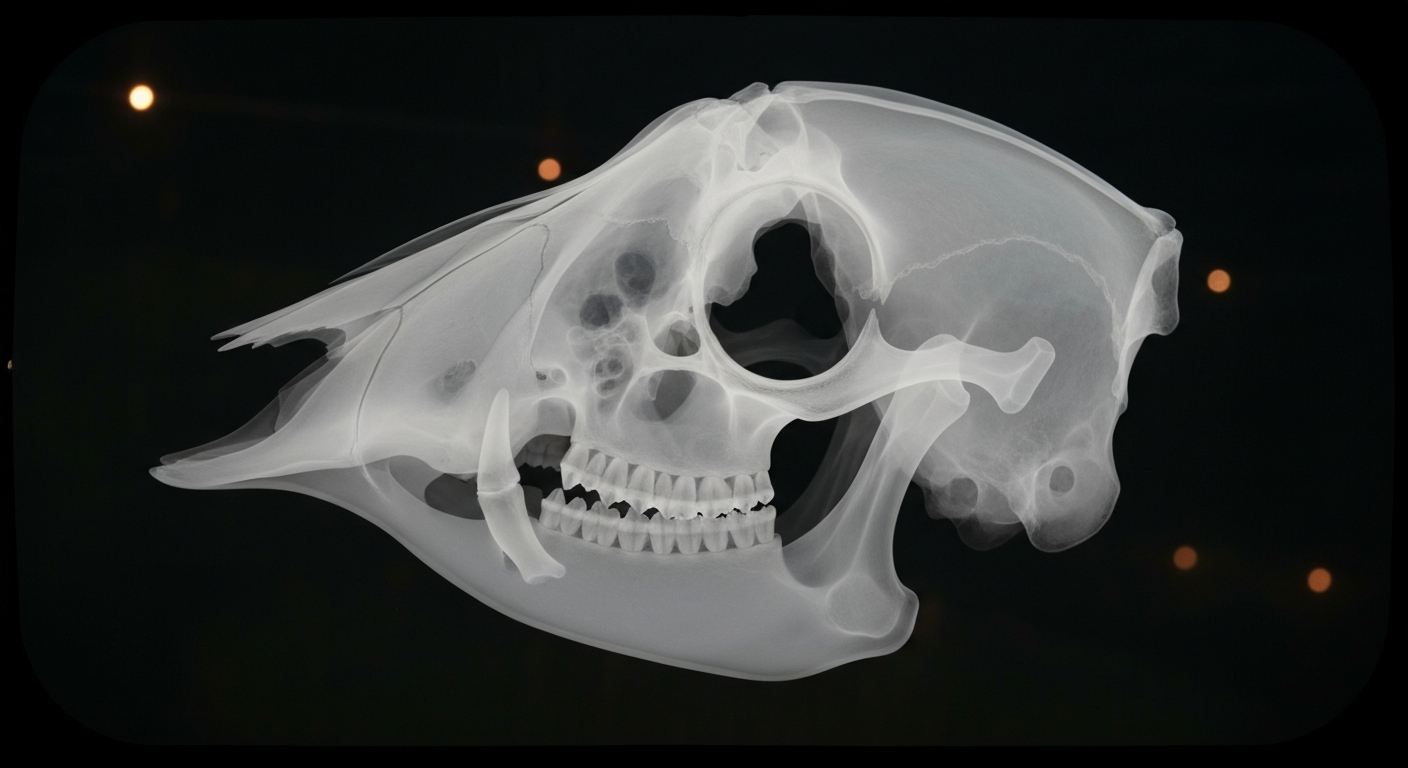 An X-ray study of a mouse skull reveals subtle facial abnormalities linked to excessive antioxidant intake in male parents.College Station Today
A new study from the Texas A&M College of Veterinary Medicine and Biomedical Sciences has found that high doses of certain antioxidants, particularly N-acetyl-L-cysteine (NAC) and selenium, can negatively impact sperm DNA and lead to craniofacial differences in the offspring of male mice. The findings raise concerns about the potential long-term effects of excessive antioxidant consumption, even if the father's health remains unchanged.
Why it matters
Antioxidants are widely promoted as health-boosting supplements, but this study suggests that taking them in excess could have unintended consequences for future generations. The facial abnormalities observed in the offspring, similar to symptoms of fetal alcohol syndrome, point to potential underlying brain development issues that warrant further investigation.
The details
In the study, male mice were exposed to high doses of NAC and selenium for six weeks. Their offspring showed distinct skull and facial shape differences, including closer-set eyes and smaller skulls in female offspring. Researchers believe this disruption to facial development could signal underlying brain abnormalities, potentially leading to issues like impulse control problems or epilepsy.
- The study was published in April 2026 in the journal Frontiers in Cell and Developmental Biology.
- The research team at Texas A&M's College of Veterinary Medicine and Biomedical Sciences conducted the study over a six-week period.
The players
Dr. Michael Golding
The lead researcher on the study and a professor at the Texas A&M College of Veterinary Medicine and Biomedical Sciences.
Texas A&M College of Veterinary Medicine and Biomedical Sciences
The institution where the groundbreaking research on the effects of high antioxidant intake was conducted.
What they’re saying
“We know alcohol causes oxidative stress, and we aimed to counteract it with supplements. But when offspring of mice given only NAC showed skull and facial differences, it was a wake-up call. It's like overwatering a plant—too much of a good thing can backfire.”
— Dr. Michael Golding, Lead Researcher
“Health is about balance. Too much sun dries a plant, too much water rots its roots. The same goes for our bodies.”
— Dr. Michael Golding, Lead Researcher
What’s next
The researchers plan to further investigate the potential impact of excessive antioxidant intake on brain development and function in the offspring.
The takeaway
This study highlights the importance of moderation when it comes to antioxidant supplements, as taking them in excess may have unintended consequences for future generations. It serves as a reminder that even seemingly beneficial health supplements should be approached with caution and an understanding of their potential long-term effects.
College Station top stories


College Station events

Apr. 11, 2026
Texas A&M Aggies Baseball vs. Texas Longhorns Baseball
Apr. 12, 2026
Texas A&M Aggies Baseball vs. Texas Longhorns Baseball
Apr. 14, 2026
Texas A&M Aggies Baseball vs. Houston Cougars Baseball