- Today
- Holidays
- Birthdays
- Reminders
- Cities
- Atlanta
- Austin
- Baltimore
- Berwyn
- Beverly Hills
- Birmingham
- Boston
- Brooklyn
- Buffalo
- Charlotte
- Chicago
- Cincinnati
- Cleveland
- Columbus
- Dallas
- Denver
- Detroit
- Fort Worth
- Houston
- Indianapolis
- Knoxville
- Las Vegas
- Los Angeles
- Louisville
- Madison
- Memphis
- Miami
- Milwaukee
- Minneapolis
- Nashville
- New Orleans
- New York
- Omaha
- Orlando
- Philadelphia
- Phoenix
- Pittsburgh
- Portland
- Raleigh
- Richmond
- Rutherford
- Sacramento
- Salt Lake City
- San Antonio
- San Diego
- San Francisco
- San Jose
- Seattle
- Tampa
- Tucson
- Washington
Bryan Today
By the People, for the People
Brazos Valley Rain Provides Temporary Relief, Wildfire Threat Remains
Experts warn drought conditions could return within days as skies clear and temperatures rise.
Apr. 3, 2026 at 12:05am
Got story updates? Submit your updates here. ›
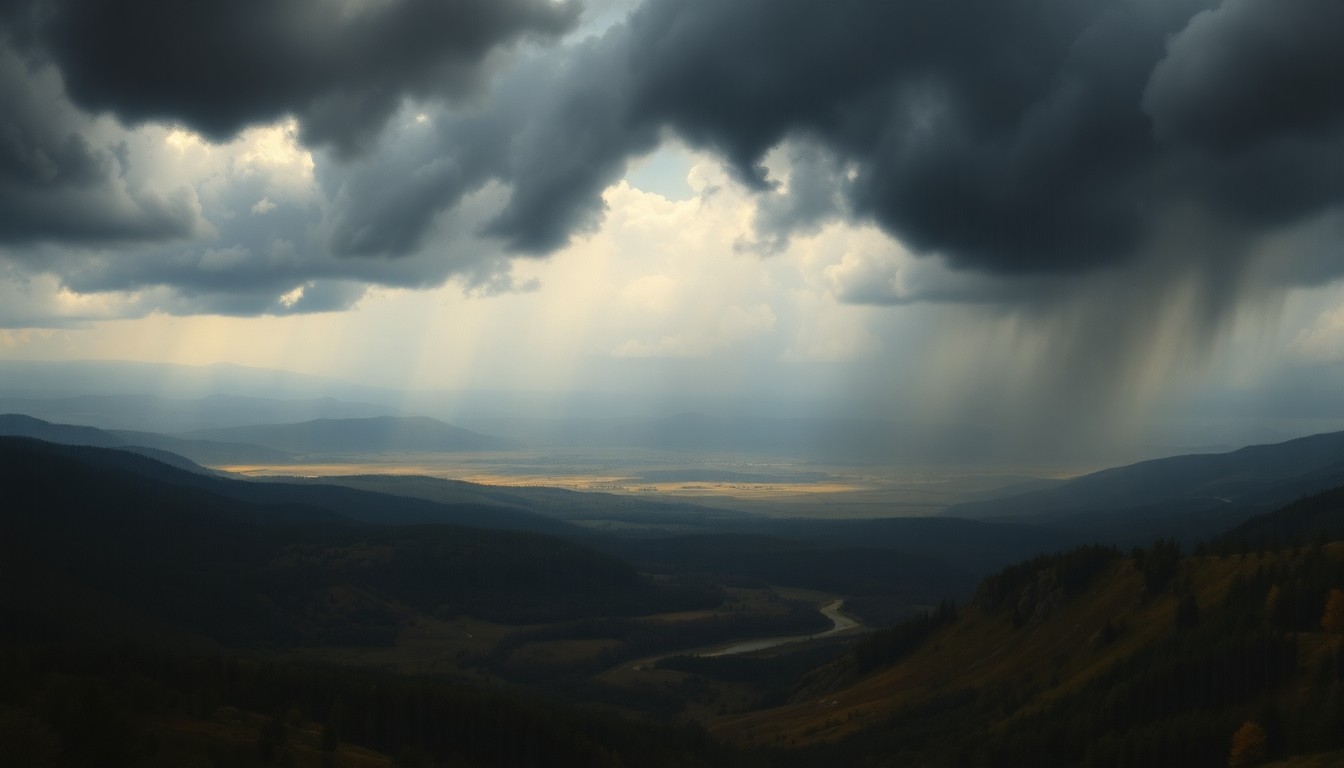 The Brazos Valley's temporary respite from severe drought conditions is overshadowed by the looming threat of renewed wildfire danger as the region braces for the return of dry, hot weather.Bryan Today
Nearly three inches of rain fell across the Brazos Valley in the last 24 hours, providing some immediate relief from severe drought conditions. However, fire experts warn that the fire threat remains, as one rainy day is not enough to fully eliminate the risk, especially with the potential for lightning-caused fires. Drivers are advised to slow down and be cautious on roadways due to standing water, and first responders are taking extra precautions as well. Once the rain stops and temperatures climb, drought conditions and fire danger could return within days.
Why it matters
The Brazos Valley region has been experiencing severe to extreme drought conditions, which increases the risk of wildfires. While the recent rainfall provides temporary relief, the underlying drought issues have not been fully resolved, and the fire threat remains a major concern for local authorities and residents.
The details
The heavy rainfall led to water pooling on roadways, forcing drivers to slow down and stay alert. Bob Colwell of the Texas Department of Transportation's Bryan district advised drivers not to use cruise control and to adjust their speeds to the current conditions, even if they are below the posted speed limit. First responders are also taking extra precautions when driving in the rain. Gerald Burnett, Bryan's chief deputy fire marshal, stated that fire engines generally do not drive into high water without taking significant safety measures.
- In the last 24 hours, nearly three inches of rain fell across the Brazos Valley.
- Once the rain stops and temperatures climb, drought conditions and fire danger could return within days.
The players
Gerald Burnett
Bryan's chief deputy fire marshal, who warned that the fire threat remains despite the recent rainfall.
Laura Stevens
Texas A&M Forest Service public information officer, who noted that even rain does not fully eliminate the threat of lightning-caused fires.
Bob Colwell
Texas Department of Transportation's Bryan district public information officer, who advised drivers to slow down and adjust their speeds to the current conditions.
What they’re saying
“As we come out of the rain and it dries out again, we are still going to be in drought conditions probably, unless this rain continues longer than forecast.”
— Gerald Burnett, Bryan's chief deputy fire marshal
“Nine out of 10 wildfires are caused by humans, but we don't necessarily talk about that other one out of 10, which could be caused by lightning, and that's a naturally occurring process.”
— Laura Stevens, Texas A&M Forest Service public information officer
“If you have to go on your journey, there are some things to do. Don't use your cruise control. Drive to the conditions. Just because the posted speed limit says 70 mph, that doesn't mean that you need to drive that, especially in a downpour. So please drive to conditions.”
— Bob Colwell, Texas Department of Transportation's Bryan district public information officer
What’s next
TxDOT is warning drivers to watch for standing water on roads through the weekend. Fire experts say that once skies clear and temperatures climb, drought conditions and fire danger could return within days.
The takeaway
While the recent rainfall has provided some temporary relief, the underlying drought issues in the Brazos Valley region have not been fully resolved. The fire threat remains a major concern, and residents and authorities must remain vigilant as drought conditions and wildfire danger could quickly return once the rain stops and temperatures rise.