- Today
- Holidays
- Birthdays
- Reminders
- Cities
- Atlanta
- Austin
- Baltimore
- Berwyn
- Beverly Hills
- Birmingham
- Boston
- Brooklyn
- Buffalo
- Charlotte
- Chicago
- Cincinnati
- Cleveland
- Columbus
- Dallas
- Denver
- Detroit
- Fort Worth
- Houston
- Indianapolis
- Knoxville
- Las Vegas
- Los Angeles
- Louisville
- Madison
- Memphis
- Miami
- Milwaukee
- Minneapolis
- Nashville
- New Orleans
- New York
- Omaha
- Orlando
- Philadelphia
- Phoenix
- Pittsburgh
- Portland
- Raleigh
- Richmond
- Rutherford
- Sacramento
- Salt Lake City
- San Antonio
- San Diego
- San Francisco
- San Jose
- Seattle
- Tampa
- Tucson
- Washington
Extreme Weather Slams Regions Across the U.S.
Flooding, snowstorms, and tornado warnings impact millions from Hawaii to California to Texas
Apr. 12, 2026 at 10:53pm
Got story updates? Submit your updates here. ›
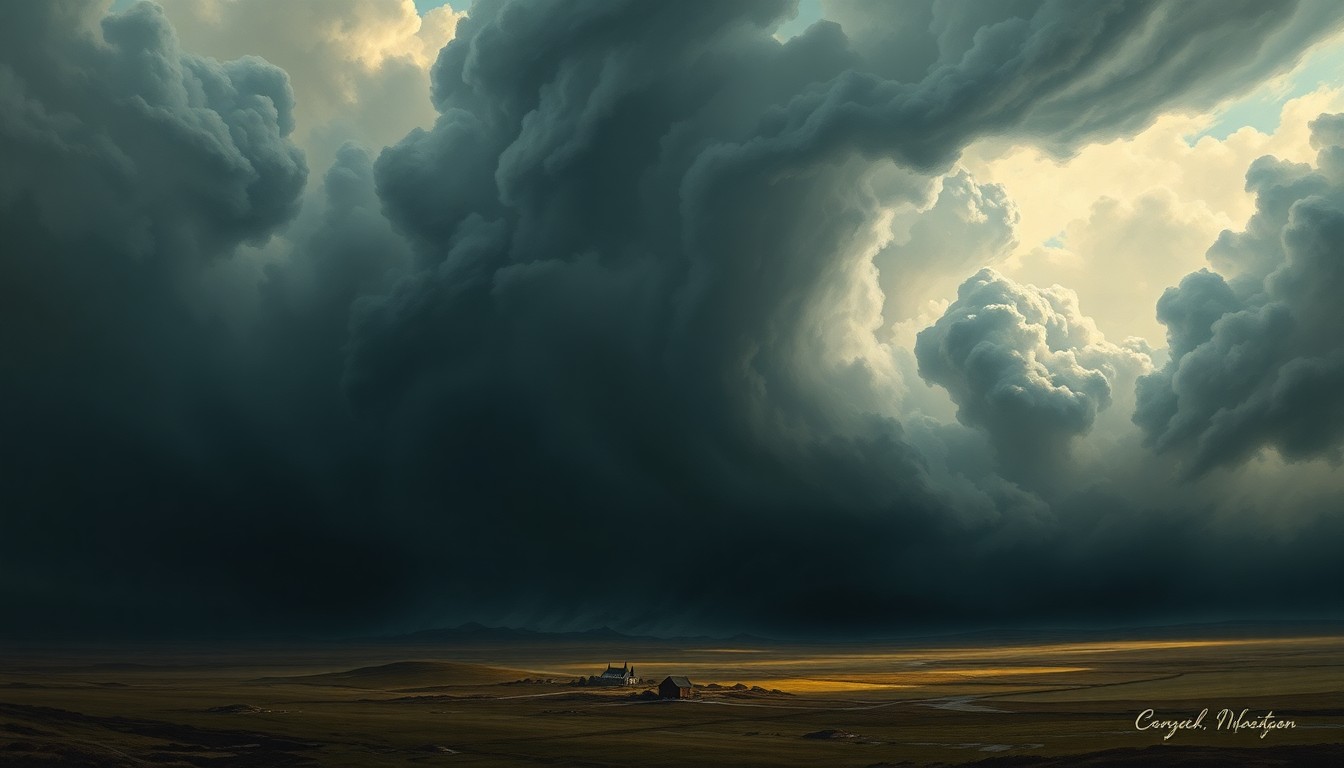 A sublime, awe-inspiring storm system overwhelms the landscape, underscoring the growing challenges of preparing for and responding to the increasing frequency and intensity of extreme weather events.Austin Today
Dangerous weather conditions have prompted severe alerts and warnings across multiple regions of the United States, with millions of residents facing threats of flash flooding, heavy snowfall, large hail, strong winds, and tornadoes.
Why it matters
Extreme weather events have become more frequent and intense due to climate change, causing significant disruptions, property damage, and safety risks for communities. The current widespread weather alerts underscore the growing challenges of preparing for and responding to these natural disasters.
The details
Hawaii is at risk of flash flooding and landslides, while parts of California are seeing up to 18 inches of heavy snow. In Texas, a large swath of the state from San Antonio to Austin could experience large hail, strong winds, and tornadoes.
- On April 12, 2026, severe weather alerts were issued across the country.
The players
Ryan Chandler
An NBC News correspondent reporting on the extreme weather conditions.
What they’re saying
“Millions of Americans are under severe weather alerts across the country with the entire state of Hawaii at risk of flash flooding and landslides.”
— Ryan Chandler, NBC News Correspondent
What’s next
Weather forecasters will continue to monitor the situation and issue updated warnings and advisories as needed. Emergency response teams are on standby to assist affected communities.
The takeaway
The widespread severe weather events underscore the growing urgency to address climate change and invest in resilient infrastructure to protect vulnerable populations from the increasing frequency and intensity of natural disasters.
Austin top stories



Austin events

Apr. 13, 2026
Dallas Cowboys Cheerleaders LIVE!

Apr. 14, 2026
Unprocessed w/ Allt