- Today
- Holidays
- Birthdays
- Reminders
- Cities
- Atlanta
- Austin
- Baltimore
- Berwyn
- Beverly Hills
- Birmingham
- Boston
- Brooklyn
- Buffalo
- Charlotte
- Chicago
- Cincinnati
- Cleveland
- Columbus
- Dallas
- Denver
- Detroit
- Fort Worth
- Houston
- Indianapolis
- Knoxville
- Las Vegas
- Los Angeles
- Louisville
- Madison
- Memphis
- Miami
- Milwaukee
- Minneapolis
- Nashville
- New Orleans
- New York
- Omaha
- Orlando
- Philadelphia
- Phoenix
- Pittsburgh
- Portland
- Raleigh
- Richmond
- Rutherford
- Sacramento
- Salt Lake City
- San Antonio
- San Diego
- San Francisco
- San Jose
- Seattle
- Tampa
- Tucson
- Washington
RFK Jr. Sparks Debate Over Sugar Content in Dunkin' Drinks
Nutritionists Weigh In on Balancing Flavor and Health
Apr. 10, 2026 at 7:45am
Got story updates? Submit your updates here. ›
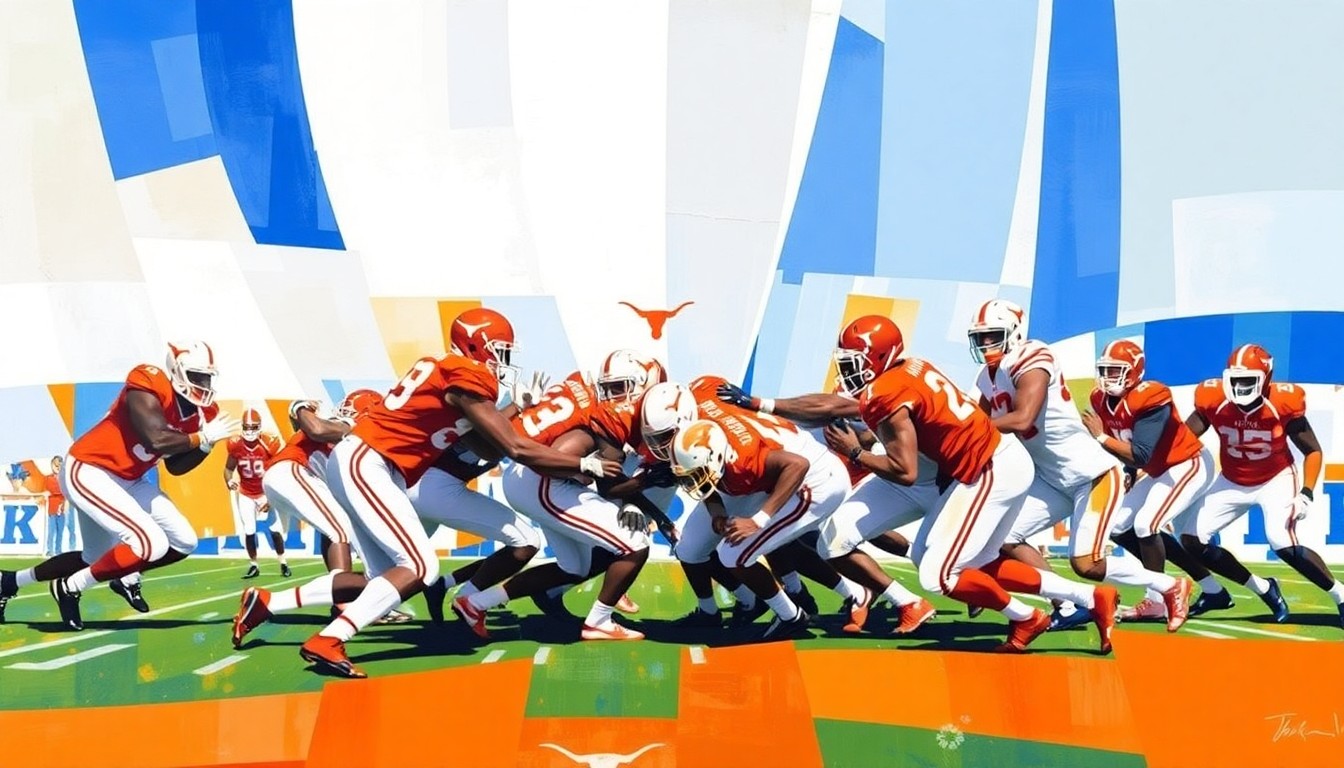
 A conceptual illustration highlighting the complex debate over sugar content in popular coffee drinks.Austin Today
A recent public dispute between Robert F. Kennedy Jr. and Dunkin' over the sugar content in the chain's beverages has sparked a larger conversation about the role of sugar in our diets and the challenges of translating health guidelines into sustainable consumer behaviors.
Why it matters
This debate highlights the ongoing tension between public health messaging that focuses on absolute sugar numbers and the everyday realities of consumer preferences and food environments that normalize high-sugar options. Understanding how to balance warning labels with practical, enjoyable choices is key to driving long-term improvements in diet quality.
The details
RFK Jr. called out Dunkin' for allegedly serving an iced coffee with 115 grams of sugar, casting sugar as a moral issue. However, nutritionists note that the danger lies in cumulative sugar intake over time, amplified by social habits of treating sugary drinks as a regular ritual. They emphasize the importance of customizing orders, treating these drinks as occasional treats, and gradually reducing sweetness preferences.
- RFK Jr. made his comments at an Eat Real Food rally in Austin, Texas in April 2026.
The players
Robert F. Kennedy Jr.
An environmental activist who has been vocal about his concerns over sugar content in food and beverages.
Dunkin'
A major coffee and donut chain that has faced scrutiny over the sugar levels in some of its drink offerings.
Chloe Schweinshaut
A Cambridge-based dietitian who cautions against moralizing sugar and emphasizes the importance of overall dietary patterns.
Sally Cohen
A Boston-based nutritionist who provides practical advice for customizing sugary drinks to reduce sugar intake.
What they’re saying
“If a person's overall diet is modest in sugar, a high-sugar drink once in a while might not be catastrophic. The bigger danger is the daily pattern—'one drink' becomes two, then a pastry, then a sugary snack at lunch, and so on.”
— Sally Cohen, Boston Nutritionist
“The danger is that perception lags behind caloric reality. What makes this particularly interesting is how appetite and convenience interact—people grab a 'premium' coffee drink thinking it's a sophisticated choice, while the beverage may still be a rapid source of empty calories.”
— Chloe Schweinshaut, Cambridge-based Dietitian
What’s next
The debate is likely to continue as public health advocates and the food industry navigate the complex issue of sugar consumption. Upcoming developments to watch for include potential policy changes or voluntary industry initiatives aimed at reducing sugar levels in popular beverages.
The takeaway
This controversy highlights the need for a more nuanced approach to addressing sugar consumption, one that balances public health concerns with an understanding of consumer behavior and the social and cultural factors that shape our dietary habits. Sustainable progress will require a combination of education, gradual shifts in taste preferences, and practical strategies that empower people to make healthier choices without sacrificing enjoyment.
Austin top stories


Austin events

Apr. 10, 2026
Zara Larsson: Midnight Sun Tour 2026
Apr. 10, 2026
Allie Arnaez & Ramiro Brave
Apr. 10, 2026
LAMB OF GOD: INTO OBLIVION TOUR