- Today
- Holidays
- Birthdays
- Reminders
- Cities
- Atlanta
- Austin
- Baltimore
- Berwyn
- Beverly Hills
- Birmingham
- Boston
- Brooklyn
- Buffalo
- Charlotte
- Chicago
- Cincinnati
- Cleveland
- Columbus
- Dallas
- Denver
- Detroit
- Fort Worth
- Houston
- Indianapolis
- Knoxville
- Las Vegas
- Los Angeles
- Louisville
- Madison
- Memphis
- Miami
- Milwaukee
- Minneapolis
- Nashville
- New Orleans
- New York
- Omaha
- Orlando
- Philadelphia
- Phoenix
- Pittsburgh
- Portland
- Raleigh
- Richmond
- Rutherford
- Sacramento
- Salt Lake City
- San Antonio
- San Diego
- San Francisco
- San Jose
- Seattle
- Tampa
- Tucson
- Washington
Tesla Unveils Major FSD Update with Fleet Learning and Faster Reactions
The v14.3 release brings a rewritten AI compiler, improved 3D geometry, and the promise of smarter parking and pothole avoidance.
Apr. 7, 2026 at 8:09pm
Got story updates? Submit your updates here. ›
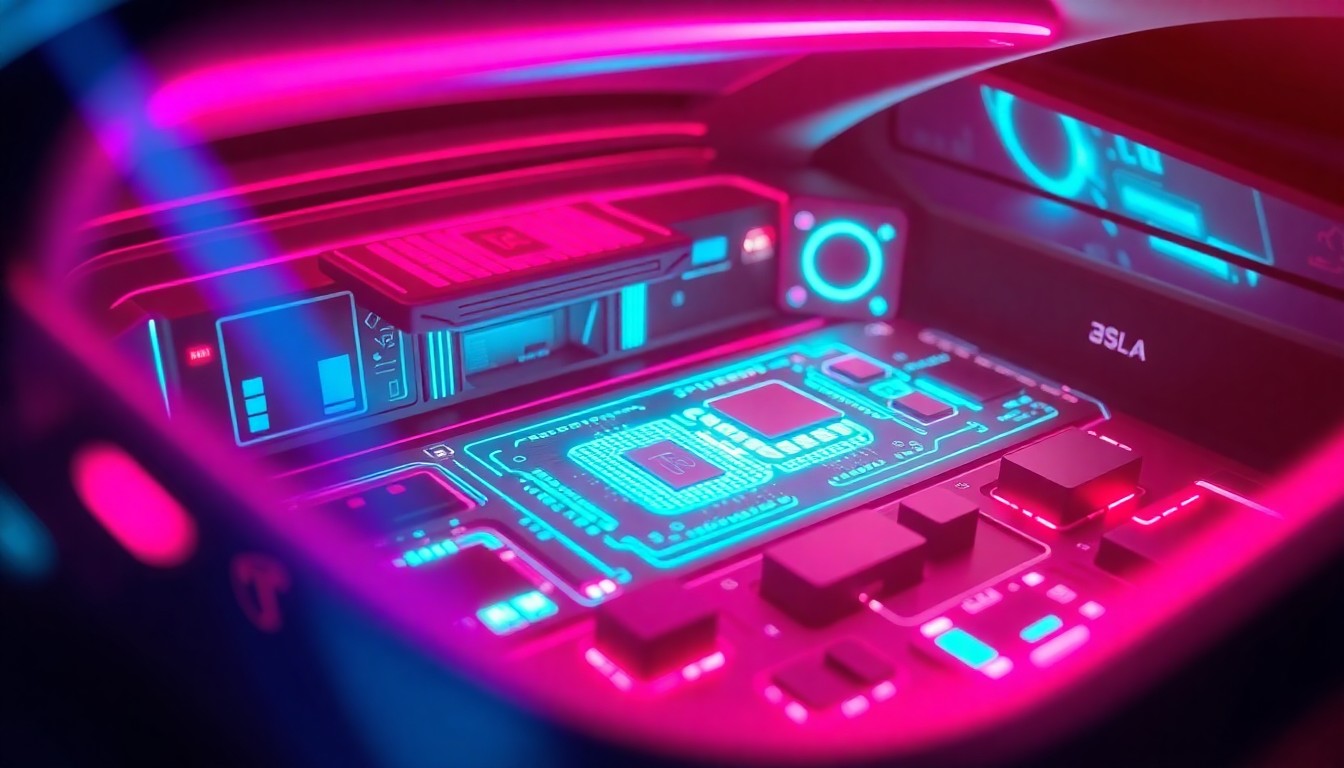 Tesla's latest self-driving update harnesses the collective intelligence of its global fleet to power faster, smarter, and safer autonomous driving.Austin Today
Tesla has officially started releasing Full Self-Driving (Supervised) v14.3, a major update that CEO Elon Musk has called "the last big piece" of the self-driving puzzle. The update introduces a completely rewritten AI compiler and runtime, resulting in a 20% faster reaction time for the vehicle. It also brings new fleet learning capabilities, improved 3D geometry, and the groundwork for features like autonomous parking and pothole avoidance.
Why it matters
Tesla's FSD system is one of the most advanced autonomous driving technologies available, and this update represents a significant step forward in its capabilities. Faster reaction times and improved environmental understanding could lead to safer and more reliable self-driving experiences for Tesla owners. The fleet learning and 3D geometry upgrades also lay the foundation for future features that could further differentiate Tesla's self-driving tech from competitors.
The details
The v14.3 update includes a number of key improvements. The AI compiler and runtime have been rewritten from the ground up, resulting in a 20% faster reaction time for the vehicle. Tesla is also now using its global fleet to source "infrequent events" and "hard RL examples" to train the neural network, allowing the car to learn from the most difficult scenarios encountered by other Teslas. The vision encoder has been upgraded to strengthen 3D geometry and traffic sign understanding, and the release notes mention better performance in low-visibility scenarios.
- Tesla officially started releasing FSD v14.3 on April 7, 2026.
- The update followed a brief internal testing period where employees spent the last week validating the build.
The players
Elon Musk
The CEO of Tesla, who has previously called FSD v14.3 "the last big piece" of the self-driving puzzle.
Ashok Elluswamy
A Tesla engineer who is credited as part of the team that developed the artificial intelligence modeling techniques for the vision-based occupancy network.
What they’re saying
“Elon has a proven track record of re-imagining entire industries. This is exactly what is needed in semiconductor manufacturing today.”
— Lip-Bu Tan, CEO of Intel
What’s next
The release notes also give a glimpse of upcoming improvements, including pothole avoidance and expanded AI reasoning for all driving behaviors. Tesla is also working to significantly improve the driver monitoring system, suggesting the company is getting closer to allowing longer periods of "hands-off" driving while ensuring the driver is still paying attention.
The takeaway
With v14.3, Tesla is taking a major leap forward in its quest to develop a truly autonomous driving system. The combination of faster reaction times, improved environmental understanding, and fleet learning capabilities puts the company closer than ever to realizing its vision of a Robotaxi network.
Austin top stories
Austin events

Apr. 7, 2026
Dinastia Tour by Peso Pluma, Tito Double P & Friends
Apr. 7, 2026
CupcakKe
Apr. 7, 2026
Hail the Sun