- Today
- Holidays
- Birthdays
- Reminders
- Cities
- Atlanta
- Austin
- Baltimore
- Berwyn
- Beverly Hills
- Birmingham
- Boston
- Brooklyn
- Buffalo
- Charlotte
- Chicago
- Cincinnati
- Cleveland
- Columbus
- Dallas
- Denver
- Detroit
- Fort Worth
- Houston
- Indianapolis
- Knoxville
- Las Vegas
- Los Angeles
- Louisville
- Madison
- Memphis
- Miami
- Milwaukee
- Minneapolis
- Nashville
- New Orleans
- New York
- Omaha
- Orlando
- Philadelphia
- Phoenix
- Pittsburgh
- Portland
- Raleigh
- Richmond
- Rutherford
- Sacramento
- Salt Lake City
- San Antonio
- San Diego
- San Francisco
- San Jose
- Seattle
- Tampa
- Tucson
- Washington
Tesla Allows Remote Operators to Drive Robotaxis in Rare Cases
The company says remote control is a last resort when robotaxis get stuck.
Mar. 31, 2026 at 8:06pm
Got story updates? Submit your updates here. ›
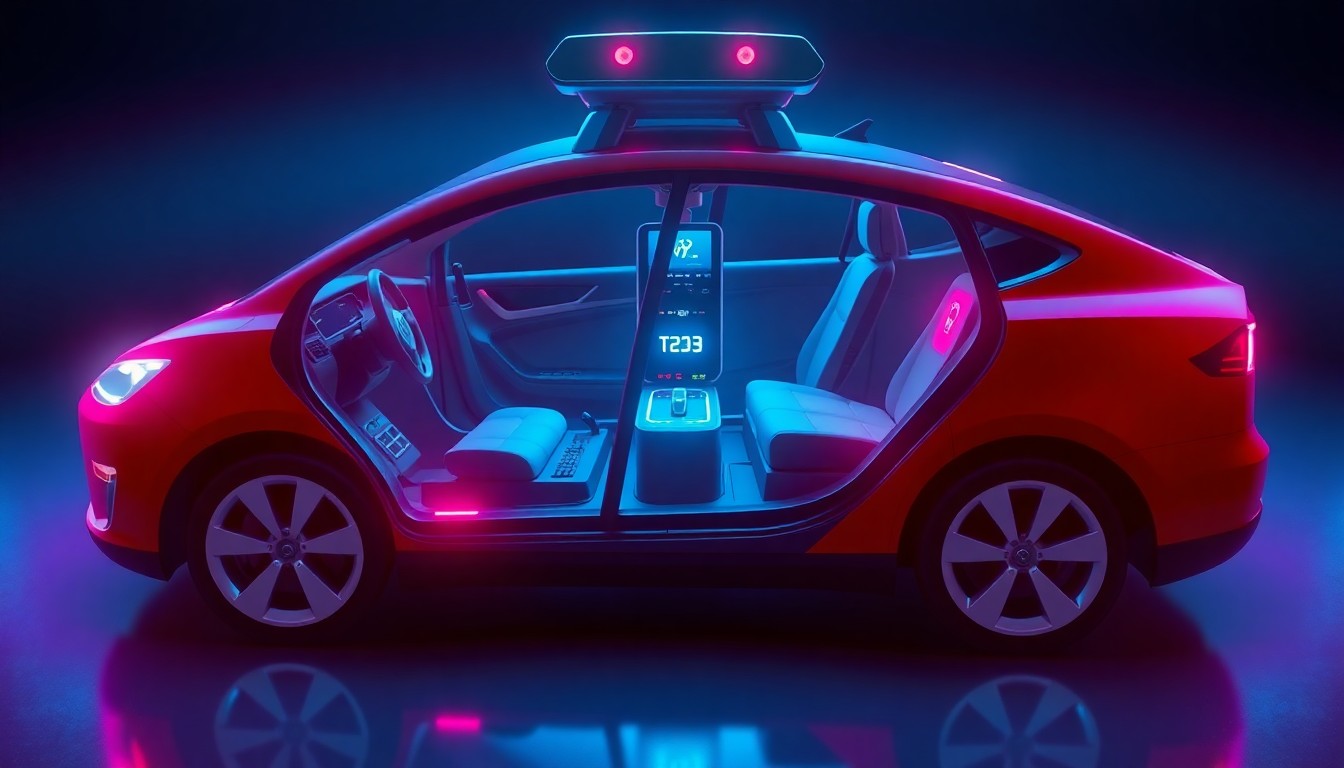 Tesla's remote control capabilities for its robotaxis raise new questions about the safety and reliability of autonomous driving technology.Austin Today
Tesla has admitted to Senator Ed Markey that it sometimes allows remote human operators to take control of its robotaxis in rare cases when the autonomous driving software is unable to navigate a situation. The company says this remote control is only used as a final escalation measure when other intervention methods have been exhausted, and the operators can only drive the vehicles at low speeds of around 2-10 mph.
Why it matters
Tesla's approach to self-driving technology has often diverged from industry norms, and this revelation about remote human control of its robotaxis is another example. While other autonomous vehicle companies rely on remote assistance to provide context to help their systems navigate, Tesla is allowing direct remote driving, which raises questions about the safety and reliability of its Full Self-Driving system.
The details
According to a letter from Tesla's director of public policy, the company's robotaxis are equipped with a remote assistance feature that allows human operators to temporarily take control of the vehicle if the autonomous driving software is unable to handle a situation. These operators can drive the robotaxis at speeds up to 10 mph when they are moving at 2 mph or less, as a last resort measure after other intervention methods have been tried.
- Tesla launched its robotaxi service in Austin, Texas in June 2025.
- Tesla is reportedly testing rides without safety drivers in the same area.
The players
Tesla
An American electric vehicle and clean energy company that has been at the forefront of autonomous driving technology, though its approach has sometimes diverged from industry norms.
Senator Ed Markey
A Democratic U.S. Senator from Massachusetts who has been critical of Tesla's self-driving technology and has pushed for greater regulation and oversight of autonomous vehicles.
Karen Steakley
Tesla's director of public policy and business development, who shared details about the company's remote driving capabilities in a letter to Senator Markey.
Waymo
A subsidiary of Alphabet Inc. and one of the leading companies in the autonomous vehicle industry, which takes a different approach to human intervention than Tesla.
What they’re saying
“As a redundancy measure in rare cases … [remote assistance operators] are authorized to temporarily assume direct vehicle control as the final escalation maneuver after all other available intervention actions have been exhausted.”
— Karen Steakley, Tesla's director of public policy and business development
What’s next
The US National Highway Traffic Safety Administration is expected to continue its probe into Tesla's Full Self-Driving system in the wake of this revelation about remote driving capabilities.
The takeaway
Tesla's willingness to allow remote human control of its robotaxis, even in limited circumstances, highlights the ongoing challenges and concerns around the safety and reliability of autonomous driving technology. As the industry continues to evolve, regulators and the public will likely scrutinize Tesla's approach more closely.