- Today
- Holidays
- Birthdays
- Reminders
- Cities
- Atlanta
- Austin
- Baltimore
- Berwyn
- Beverly Hills
- Birmingham
- Boston
- Brooklyn
- Buffalo
- Charlotte
- Chicago
- Cincinnati
- Cleveland
- Columbus
- Dallas
- Denver
- Detroit
- Fort Worth
- Houston
- Indianapolis
- Knoxville
- Las Vegas
- Los Angeles
- Louisville
- Madison
- Memphis
- Miami
- Milwaukee
- Minneapolis
- Nashville
- New Orleans
- New York
- Omaha
- Orlando
- Philadelphia
- Phoenix
- Pittsburgh
- Portland
- Raleigh
- Richmond
- Rutherford
- Sacramento
- Salt Lake City
- San Antonio
- San Diego
- San Francisco
- San Jose
- Seattle
- Tampa
- Tucson
- Washington
Tesla Admits Remote Operators Take Control of Robotaxis
Company says human workers can temporarily drive vehicles at low speeds when needed
Mar. 31, 2026 at 7:06pm
Got story updates? Submit your updates here. ›
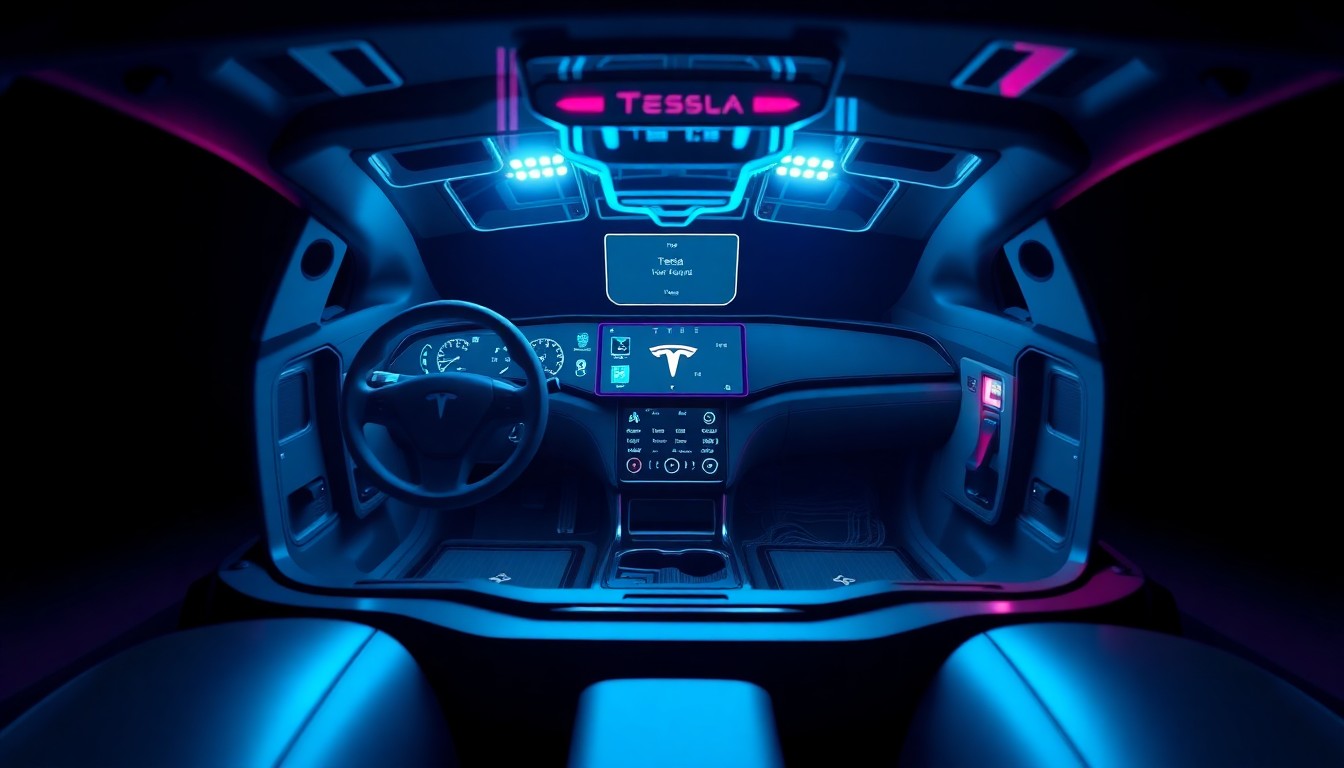 As Tesla's robotaxis rely on remote human operators, the complex interplay of autonomous and remote control systems is exposed.Austin Today
Tesla has revealed that its human operators can temporarily take control of its robotaxis in rare cases, in contrast to Waymo's approach of having remote assistants make higher-level navigation decisions. Tesla says this capability allows them to promptly move a vehicle that may be in a compromising position, but the company has faced scrutiny for not providing more details on how often these takeovers occur.
Why it matters
The disclosure that Tesla's robotaxis rely on remote human intervention raises questions about the true capabilities of autonomous driving technology and the transparency of companies in this space. It also highlights the inherent risks of direct remote control, such as network latency and lack of full situational awareness.
The details
Tesla's director of public policy and business development, Karen Steakley, revealed in a letter to Senator Ed Markey that the company's remote assistance operators based in Austin, Texas or Palo Alto, California can temporarily take control of the vehicle at speeds up to 10 mph. This is in contrast to Waymo's approach, where its remote team intervenes to make higher-level decisions on where a stuck car should navigate next. However, Tesla has faced criticism for not providing more specifics on how often these takeovers occur, with Markey calling the lack of transparency 'especially concerning'.
- In February, the Senate Committee on Commerce, Science, and Transportation held a hearing that highlighted Waymo's reliance on remote assistant operators.
- In January, Tesla CEO Elon Musk claimed the company's robotaxis drive 'with no safety monitor in the car', though Tesla later appeared to employ drivers to follow the robotaxis as a safety precaution.
- Tesla's robotaxi service in Austin has been under heavy scrutiny since launching last summer.
The players
Tesla
An American electric vehicle and clean energy company that has been developing autonomous driving technology for its vehicles.
Waymo
An American autonomous driving company and a subsidiary of Alphabet Inc., Google's parent company.
Ed Markey
A Democratic senator from Massachusetts who has been leading the charge for more transparency into the use of remote operators in autonomous driving technology.
Karen Steakley
The director of public policy and business development at Tesla.
Missy Cummings
A professor of engineering at George Mason University who has commented on the risks and limitations of direct remote control in autonomous driving.
What they’re saying
“As a redundancy measure in rare cases… [remote assistance operators] are authorized to temporarily assume direct vehicle control as the final escalation maneuver after all other available intervention actions have been exhausted.”
— Karen Steakley, Director of Public Policy and Business Development, Tesla
“If people understood how often [the assistants] were interacting, then it would be clear how far away truly autonomous vehicles are.”
— Missy Cummings, Professor of Engineering, George Mason University
What’s next
Senator Markey has called Tesla's refusal to share more specific information on the frequency of remote takeovers 'especially concerning', and has vowed to continue pushing for greater transparency from autonomous driving companies.
The takeaway
Tesla's admission that its robotaxis rely on remote human intervention, in contrast to Waymo's approach, raises doubts about the true capabilities of autonomous driving technology and the willingness of companies to be fully transparent about its limitations. This highlights the need for stronger regulatory oversight and public accountability in this rapidly evolving industry.