- Today
- Holidays
- Birthdays
- Reminders
- Cities
- Atlanta
- Austin
- Baltimore
- Berwyn
- Beverly Hills
- Birmingham
- Boston
- Brooklyn
- Buffalo
- Charlotte
- Chicago
- Cincinnati
- Cleveland
- Columbus
- Dallas
- Denver
- Detroit
- Fort Worth
- Houston
- Indianapolis
- Knoxville
- Las Vegas
- Los Angeles
- Louisville
- Madison
- Memphis
- Miami
- Milwaukee
- Minneapolis
- Nashville
- New Orleans
- New York
- Omaha
- Orlando
- Philadelphia
- Phoenix
- Pittsburgh
- Portland
- Raleigh
- Richmond
- Rutherford
- Sacramento
- Salt Lake City
- San Antonio
- San Diego
- San Francisco
- San Jose
- Seattle
- Tampa
- Tucson
- Washington
SpaceX Unveils Plans for Massive Orbital Data Center Satellites
Elon Musk's ambitious project aims to produce 1 terawatt of AI computing power annually from space.
Mar. 22, 2026 at 6:43pm
Got story updates? Submit your updates here. ›
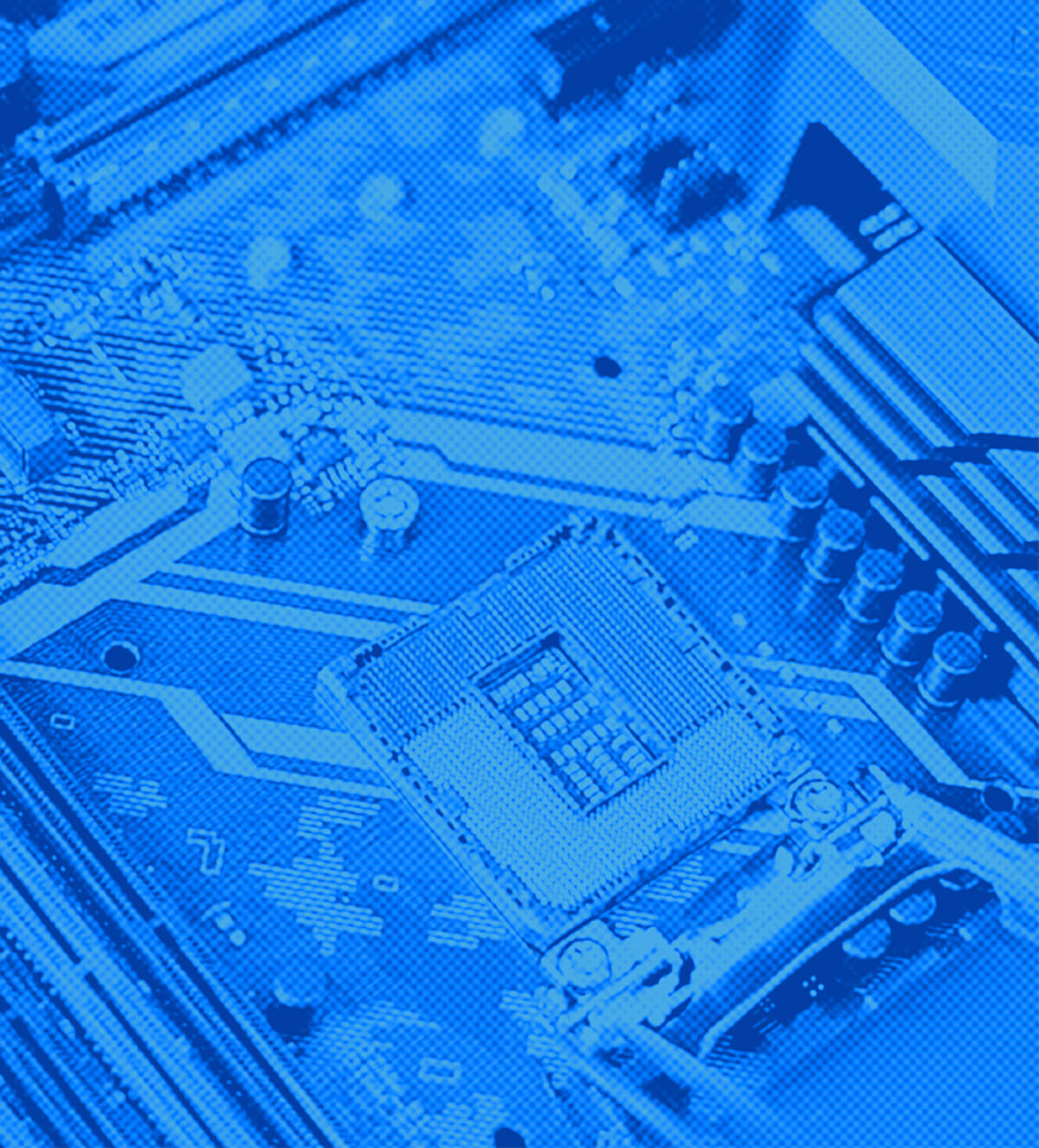
Elon Musk has unveiled plans for a $20-25 billion joint venture between Tesla, SpaceX, and xAI to build a massive chip fabrication facility called Terafab in Austin, Texas. The goal is to produce one terawatt of computing power annually - 50 times the current output of advanced chip manufacturers. This will power a constellation of up to one million satellites that will function as an orbital data center, providing cost-effective AI computing power in space.
Why it matters
Musk's vision is to extend the reach of artificial intelligence beyond Earth and into space, leveraging abundant solar power and eliminating land constraints. The project represents a foundational step towards realizing Musk's goal of an AI-powered future, with the orbital data centers potentially leading to the establishment of data centers on the moon powered by an electromagnetic mass driver.
The details
The Terafab facility will consolidate every stage of semiconductor production under one roof, addressing concerns that external chip capacity will reach its limit in the next 3-4 years. It is designed to scale to roughly 70% of the global output from Taiwan Semiconductor Manufacturing Company (TSMC). The satellites, called 'AI Sat Mini', are envisioned to be over 170 meters in length and provide 100 kilowatts of power for onboard AI processors. A key component is the 'D3' chip, specifically designed for space-based applications and optimized for high temperatures and radiation resistance.
- Musk unveiled the plans in March 2026.
- SpaceX has already filed an application with the FCC for the orbital data center constellation, requesting waivers from standard deployment deadlines.
The players
Elon Musk
The CEO of Tesla, SpaceX, and xAI, who is driving the Terafab and orbital data center project.
Terafab
A $20-25 billion chip fabrication facility being built by a joint venture between Tesla, SpaceX, and xAI in Austin, Texas.
SpaceX
The aerospace company founded by Elon Musk that is responsible for the orbital data center constellation.
Taiwan Semiconductor Manufacturing Company (TSMC)
The world's largest semiconductor foundry, which Terafab is designed to scale to roughly 70% of the global output.
Federal Communications Commission (FCC)
The U.S. government agency that SpaceX has filed an application with for the orbital data center constellation.
What they’re saying
“I just want to live long enough to see the mass driver on the moon.”
— Elon Musk
What’s next
SpaceX's application with the FCC for the orbital data center constellation is pending, and the company is requesting waivers from standard deployment deadlines.
The takeaway
Musk's ambitious Terafab and orbital data center project represents a bold step towards extending the reach of artificial intelligence beyond Earth, leveraging abundant solar power and eliminating land constraints. If successful, it could pave the way for even more advanced space-based computing, including the potential establishment of data centers on the moon.