- Today
- Holidays
- Birthdays
- Reminders
- Cities
- Atlanta
- Austin
- Baltimore
- Berwyn
- Beverly Hills
- Birmingham
- Boston
- Brooklyn
- Buffalo
- Charlotte
- Chicago
- Cincinnati
- Cleveland
- Columbus
- Dallas
- Denver
- Detroit
- Fort Worth
- Houston
- Indianapolis
- Knoxville
- Las Vegas
- Los Angeles
- Louisville
- Madison
- Memphis
- Miami
- Milwaukee
- Minneapolis
- Nashville
- New Orleans
- New York
- Omaha
- Orlando
- Philadelphia
- Phoenix
- Pittsburgh
- Portland
- Raleigh
- Richmond
- Rutherford
- Sacramento
- Salt Lake City
- San Antonio
- San Diego
- San Francisco
- San Jose
- Seattle
- Tampa
- Tucson
- Washington
Tesla Robotaxi Fleet Crashes 4 Times More Than Human Drivers
Data shows Tesla's autonomous vehicles in Austin have a much higher collision rate than human-driven cars.
Published on Feb. 25, 2026
Got story updates? Submit your updates here. ›
Tesla's autonomous vehicle fleet operating in Austin, Texas, has experienced crashes at a rate four times higher than that of human-driven vehicles, according to data reported to federal safety regulators. The 43-vehicle fleet has accumulated around 800,000 miles over an eight-month period and reported 14 separate crash incidents, translating to one collision every 57,000 miles. In comparison, Tesla's own research indicates the average human driver experiences a minor incident once every 229,000 miles and a major collision every 699,000 miles.
Why it matters
The high crash rate of Tesla's robotaxi fleet raises concerns about the safety and reliability of autonomous vehicle technology, especially as Elon Musk has made bold claims about the scalability and performance of Tesla's self-driving capabilities. The data suggests the autonomous system is not demonstrating the expected improvement that would typically come with increased operational experience.
The details
The 14 reported incidents involving Tesla's autonomous fleet include collisions with 5 other vehicles, 5 fixed objects, 1 cyclist, 1 animal, and 2 incidents categorized as 'other.' One particular incident, described as a two-mile-per-hour impact with an SUV, resulted in a person requiring hospitalization. An important caveat is that most of the miles driven by the Austin robotaxi fleet have been completed with safety monitors present, who can activate an emergency stop button to prevent potential collisions.
- Tesla's autonomous vehicle fleet in Austin has accumulated around 800,000 miles over an eight-month operational period.
- In December and January alone, Tesla reported 5 additional crashes to the NHTSA database, accounting for nearly 36% of all incidents despite representing only a fraction of the total operational period.
The players
Tesla
An American electric vehicle and clean energy company that designs and manufactures electric cars, battery energy storage from home to grid-scale, solar panels and related products.
National Highway Traffic Safety Administration (NHTSA)
The U.S. government agency responsible for writing and enforcing federal motor vehicle safety standards as well as investigating safety defects.
Elon Musk
The CEO and product architect of Tesla, who has made bold claims about the scalability and performance of Tesla's self-driving capabilities.
The takeaway
The high crash rate of Tesla's robotaxi fleet in Austin raises serious questions about the safety and reliability of autonomous vehicle technology, especially as Elon Musk has made bold claims about its scalability and performance. The data suggests significant challenges facing Tesla's self-driving initiative, with the autonomous system not demonstrating the expected improvement that would typically come with increased operational experience.
Austin top stories


Austin events

Feb. 27, 2026
LIGHTS - COME GET YOUR GIRL TOUR 2026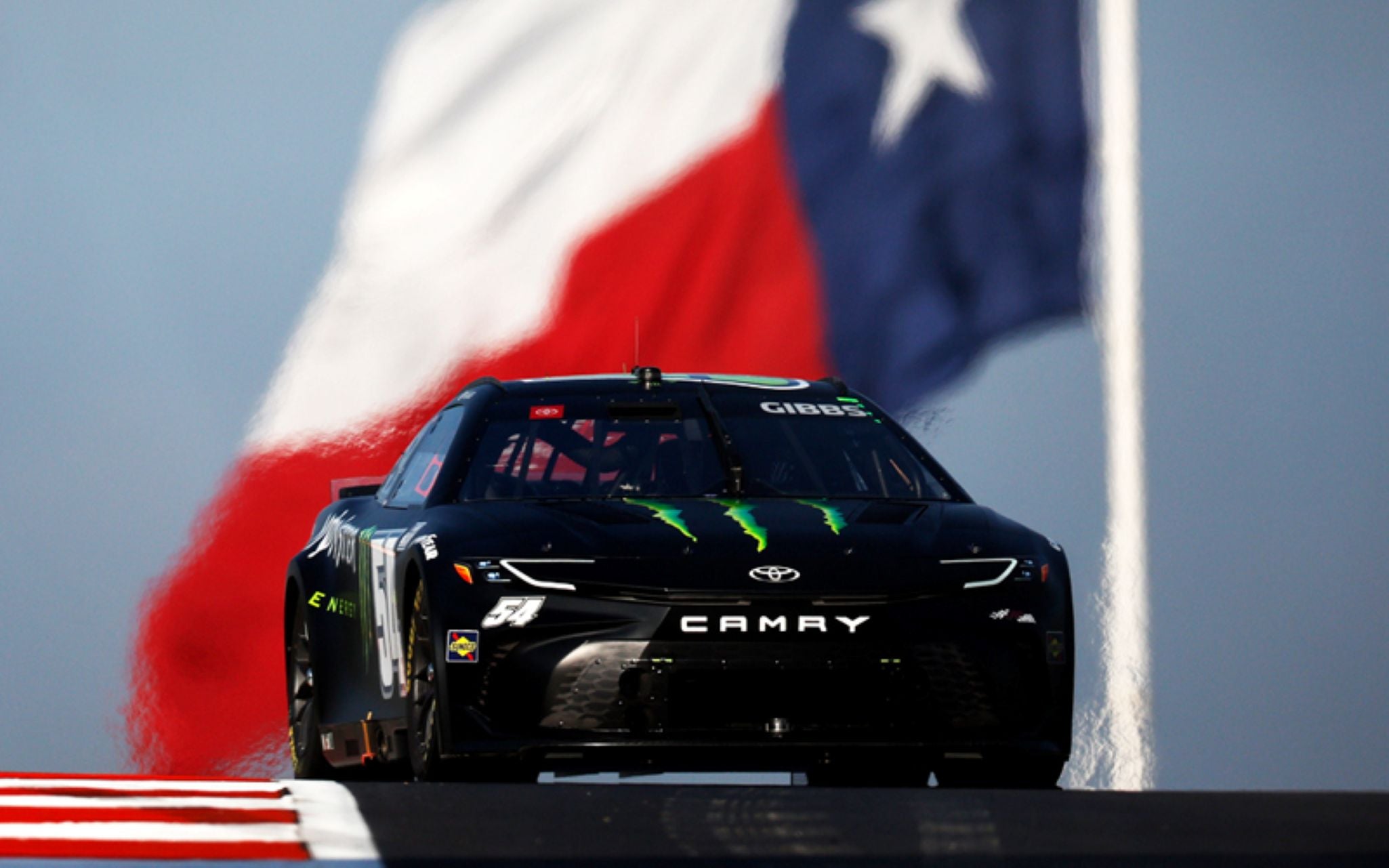
Feb. 27, 2026
NASCAR at COTA Practice
Feb. 28, 2026
bbno$ - The Internet Explorer Tour