- Today
- Holidays
- Birthdays
- Reminders
- Cities
- Atlanta
- Austin
- Baltimore
- Berwyn
- Beverly Hills
- Birmingham
- Boston
- Brooklyn
- Buffalo
- Charlotte
- Chicago
- Cincinnati
- Cleveland
- Columbus
- Dallas
- Denver
- Detroit
- Fort Worth
- Houston
- Indianapolis
- Knoxville
- Las Vegas
- Los Angeles
- Louisville
- Madison
- Memphis
- Miami
- Milwaukee
- Minneapolis
- Nashville
- New Orleans
- New York
- Omaha
- Orlando
- Philadelphia
- Phoenix
- Pittsburgh
- Portland
- Raleigh
- Richmond
- Rutherford
- Sacramento
- Salt Lake City
- San Antonio
- San Diego
- San Francisco
- San Jose
- Seattle
- Tampa
- Tucson
- Washington
Watauga Today
By the People, for the People
Elizabethton's 'City of Power' Mural Celebrates Local History
Former Bemberg Factory Superintendent reflects on the significance of the new downtown mural depicting the region's industrial past.
Apr. 10, 2026 at 3:25pm
Got story updates? Submit your updates here. ›
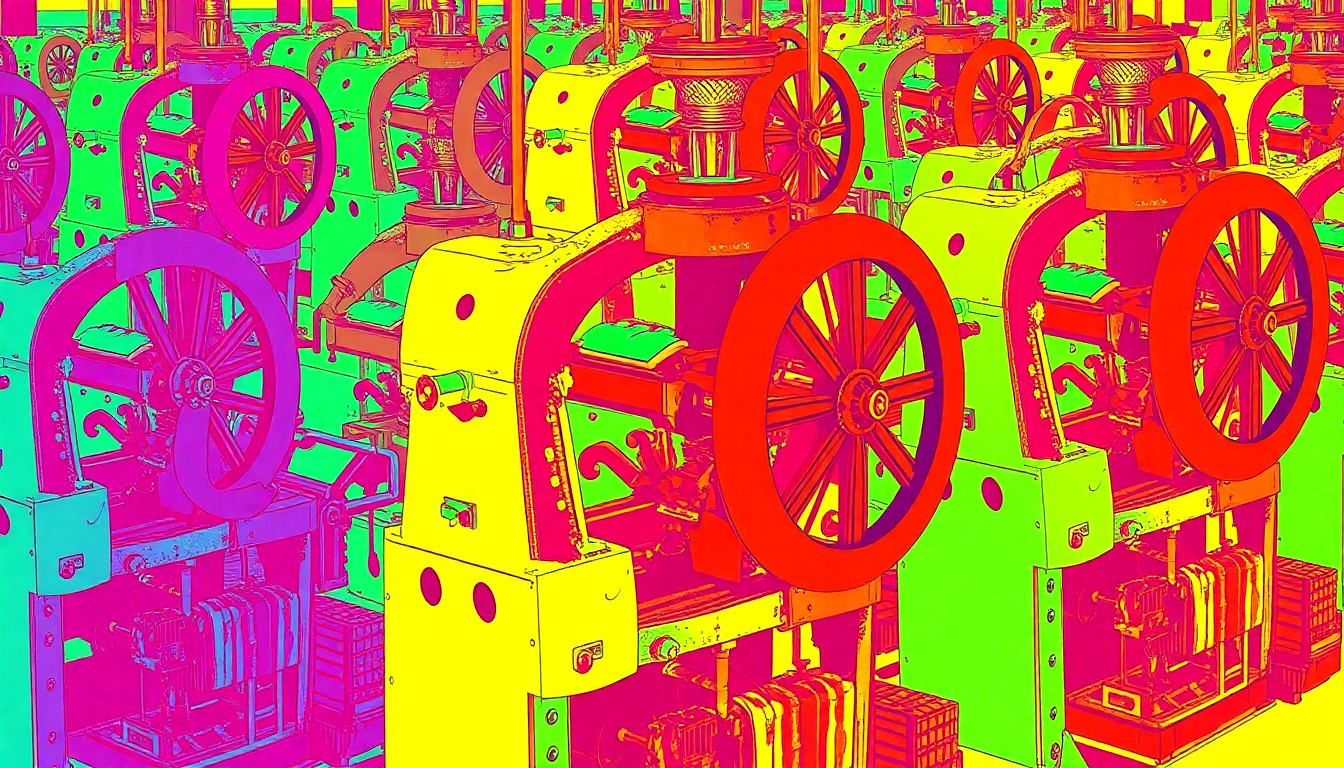 A vibrant pop art tribute to Elizabethton's industrial heritage, where water power once fueled the city's textile factories and mills.Watauga Today
The recently unveiled 'City of Power' mural in downtown Elizabethton, Tennessee, has garnered significant attention on social media. The mural, created by artist Jon Murrill, showcases the important role that water power played in the history of local businesses and industries. Former Bemberg Factory Superintendent Charles D. Von Cannon provides insight into the mural's depictions of grist mills, narrow-gauge railroads, and the textile factories that once thrived in the area.
Why it matters
The 'City of Power' mural serves as a visual representation of Elizabethton's rich industrial heritage, highlighting the community's reliance on natural resources like the Doe River to power its economic growth in the early 20th century. As the city continues to evolve, the mural helps preserve and celebrate the area's history, fostering a sense of local pride and identity.
The details
The mural depicts several key elements of Elizabethton's industrial past, including a grist mill powered by the Doe River, the narrow-gauge railroad that transported passengers and materials to the local rayon factories, and the factories themselves - Bemberg and Glanstoff - which employed thousands of workers, many of whom were women who had migrated from West Virginia. The mural also features a 'City of Power' sign, referencing the fact that the Little Wilbur Dam began supplying electricity to Elizabethton around 1912, until the devastating flood of 1940 destroyed the powerhouse.
- The City of Power mural was recently unveiled on the west wall of Tailored Hair Company in downtown Elizabethton.
- The mural has received nearly 700 Facebook hits in just a few days since its completion.
- The project was funded by a Tennessee Arts Commission grant, Main Street Elizabethton, and the City of Elizabethton.
The players
Jon Murrill
An artist from Roanoke, Virginia, who created the City of Power mural.
Tayler Nidiffer
The owner of Tailored Hair Company, who conveyed her desire to have a history mural on the west wall of her business.
Courtney Bean
A representative of Main Street Elizabethton who worked with Nidiffer on the mural project.
Charles D. Von Cannon
A former Bemberg Factory Superintendent who provided insight and historical context for the mural.
What they’re saying
“The City of Power mural by Jon Murrill of Roanoke, Virginia, has received nearly 700 Facebook hits in just a few days.”
— Charles D. Von Cannon, Former Bemberg Factory Superintendent
“The mural shows how water played a significant role in the history of local businesses. The City of Power could have been called the 'City of Water Power.'”
— Charles D. Von Cannon, Former Bemberg Factory Superintendent
What’s next
The mural is expected to continue drawing interest and attention from the local community as a celebration of Elizabethton's industrial heritage.
The takeaway
The 'City of Power' mural serves as a powerful visual reminder of the vital role that natural resources, particularly water power, played in shaping Elizabethton's industrial past. As the city evolves, preserving and honoring this history through public art helps foster a sense of community identity and pride.