- Today
- Holidays
- Birthdays
- Reminders
- Cities
- Atlanta
- Austin
- Baltimore
- Berwyn
- Beverly Hills
- Birmingham
- Boston
- Brooklyn
- Buffalo
- Charlotte
- Chicago
- Cincinnati
- Cleveland
- Columbus
- Dallas
- Denver
- Detroit
- Fort Worth
- Houston
- Indianapolis
- Knoxville
- Las Vegas
- Los Angeles
- Louisville
- Madison
- Memphis
- Miami
- Milwaukee
- Minneapolis
- Nashville
- New Orleans
- New York
- Omaha
- Orlando
- Philadelphia
- Phoenix
- Pittsburgh
- Portland
- Raleigh
- Richmond
- Rutherford
- Sacramento
- Salt Lake City
- San Antonio
- San Diego
- San Francisco
- San Jose
- Seattle
- Tampa
- Tucson
- Washington
Philadelphia Today
By the People, for the People
Deadly Winter Storm Hits US as Climate Debate Rages On
Former President Trump questions climate change amid widespread power outages and dangerous conditions.
Apr. 11, 2026 at 10:52am
Got story updates? Submit your updates here. ›
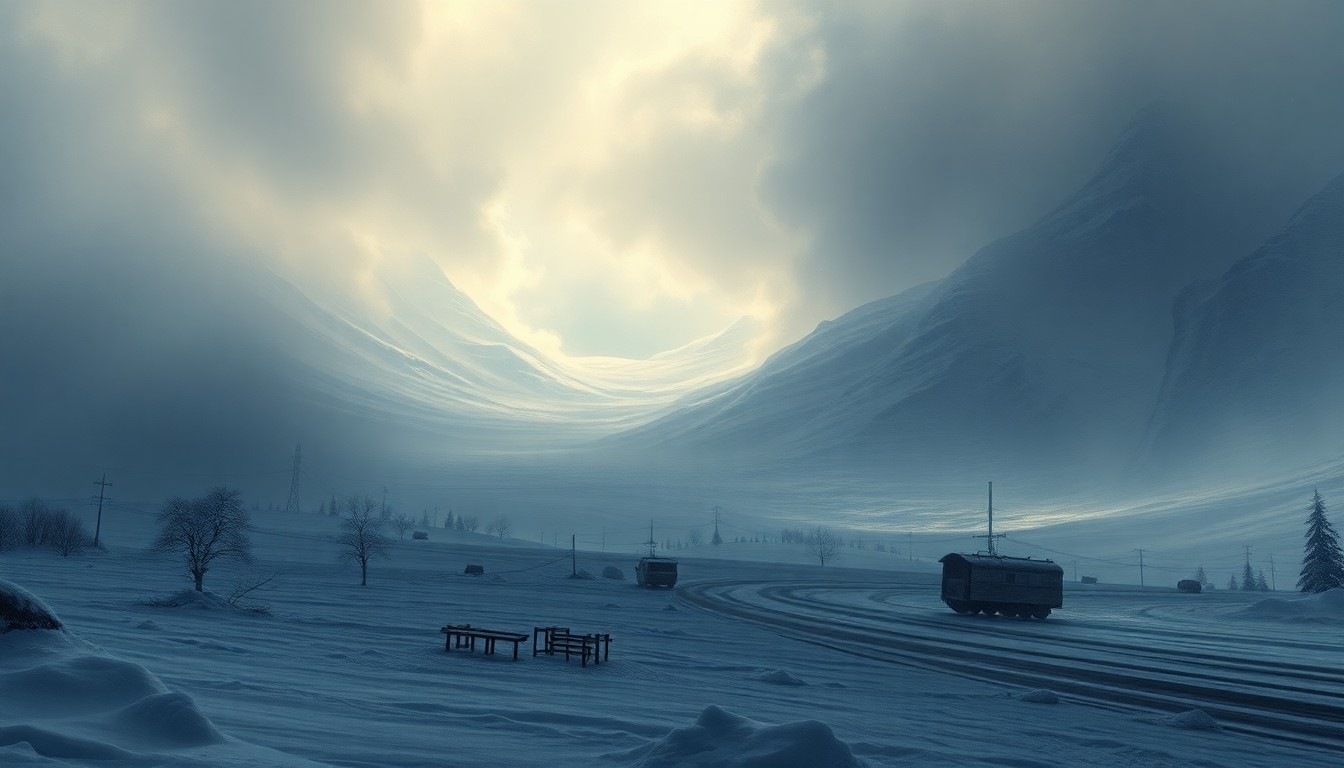 As a powerful winter storm sweeps across the nation, the raw power of nature overwhelms the built environment, raising urgent questions about the role of climate change in shaping extreme weather events.Philadelphia Today
A devastating winter storm has swept across the United States, claiming at least 10 lives and leaving millions in the dark, while former President Trump has publicly questioned the reality of climate change amidst the freezing conditions. The storm has unleashed a torrent of snow, sleet, and freezing rain, prompting urgent warnings and causing significant power outages, particularly in the US South.
Why it matters
This severe weather event highlights the ongoing debate around the connection between extreme weather and climate change. While scientists suggest that the increasing frequency of such disruptions may be linked to climate change, former President Trump has remained skeptical, raising questions about the role of climate science in understanding and addressing these types of disasters.
The details
The US National Weather Service (NWS) has advised Americans to brace for continued severe weather conditions, with the storm bringing heavy snow, sleet, and freezing rain across vast stretches of the nation. Authorities have reported at least 10 weather-related deaths, including a 16-year-old girl who died in a sledding accident in Texas. Over 840,000 customers were left without power, predominantly in the US South, where the storm's intensity peaked on Saturday. States like Louisiana, Mississippi, and Georgia, which are less accustomed to such severe winter weather, each reported over 100,000 power outages.
- The storm continued its march into the Northeast on Monday, bringing snow and sleet to major urban centers like Philadelphia, New York, and Boston.
- By Sunday night, over 840,000 customers were without electricity, predominantly in the US South, where the storm's intensity peaked on Saturday.
The players
US National Weather Service (NWS)
The US government agency responsible for providing weather forecasts and warnings to protect life and property.
Zohran Mamdani
The mayor of New York City, who reported that five individuals were discovered deceased outdoors due to the frigid temperatures.
Donald Trump
The former President of the United States, who has been vocal in his skepticism of climate change science and has previously rolled back environmental policies.
What they’re saying
“Stay off the roads unless absolutely necessary.”
— Texas's Emergency Management Division
“WHATEVER HAPPENED TO GLOBAL WARMING???”
— Donald Trump, Former President
What’s next
The NWS has issued further warnings, anticipating that the heavy ice accumulation could result in "long-duration power outages, extensive tree damage, and extremely dangerous or impassable travel conditions," particularly in regions unaccustomed to such harsh winter weather. Authorities have cautioned about life-threatening cold that could persist for up to a week after the storm, especially in the Northern Plains and Upper Midwest.
The takeaway
This extreme weather event highlights the ongoing debate around the role of climate change in influencing the frequency and intensity of severe storms. As the scientific community continues to study the connections, the public discourse remains polarized, with political figures like former President Trump questioning the established climate science.