- Today
- Holidays
- Birthdays
- Reminders
- Cities
- Atlanta
- Austin
- Baltimore
- Berwyn
- Beverly Hills
- Birmingham
- Boston
- Brooklyn
- Buffalo
- Charlotte
- Chicago
- Cincinnati
- Cleveland
- Columbus
- Dallas
- Denver
- Detroit
- Fort Worth
- Houston
- Indianapolis
- Knoxville
- Las Vegas
- Los Angeles
- Louisville
- Madison
- Memphis
- Miami
- Milwaukee
- Minneapolis
- Nashville
- New Orleans
- New York
- Omaha
- Orlando
- Philadelphia
- Phoenix
- Pittsburgh
- Portland
- Raleigh
- Richmond
- Rutherford
- Sacramento
- Salt Lake City
- San Antonio
- San Diego
- San Francisco
- San Jose
- Seattle
- Tampa
- Tucson
- Washington
Waymo Autonomous Vehicles Struggle with Nashville Traffic
Driverless cars pause frequently, causing delays as company navigates real-world challenges
Apr. 12, 2026 at 4:27am
Got story updates? Submit your updates here. ›
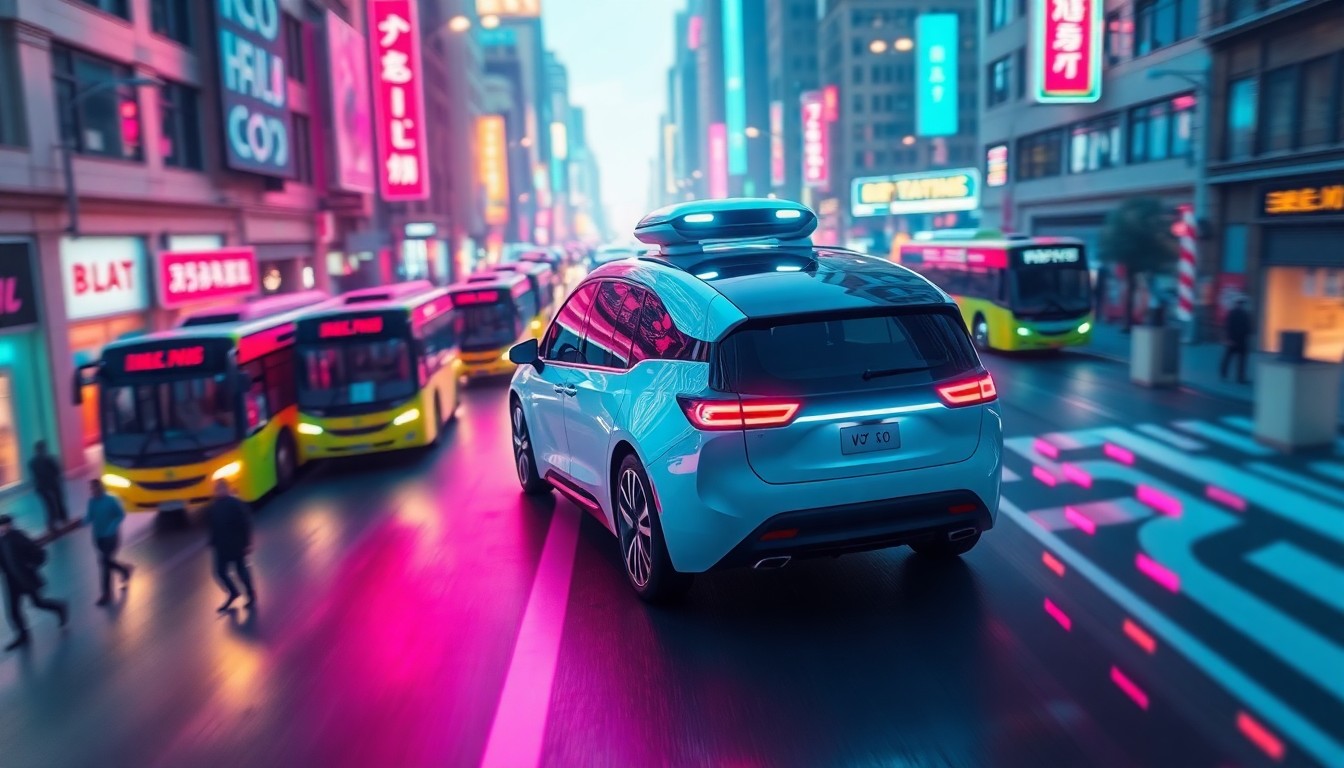 As Waymo's self-driving cars navigate the unpredictable streets of Nashville, the tension between innovation and urban realities comes into sharp focus.Today in Nashville
Waymo's public rollout of autonomous vehicles in Nashville has become a test case for the technology's integration into daily urban life. Videos have surfaced showing Waymo's self-driving cars idling in intersections, stalling while navigating pedestrians, buses, and pedal taverns. While Waymo frames these incidents as learning opportunities, the pauses and delays are causing frustration among other road users and raising questions about the readiness of autonomous vehicles to seamlessly operate in a complex city environment.
Why it matters
The Nashville episodes expose a paradox - autonomy promises efficiency, yet the current friction demands human-in-the-loop oversight, at least temporarily. This suggests the road to widespread AV adoption will require not just better perception algorithms, but also integrated urban design, clear right-of-way rules, standardized signaling, and perhaps designated AV corridors before full citywide operation. The success of autonomous mobility may depend less on perfecting the machine and more on how well cities redesign streets to accommodate a coexistence model between humans and machines.
The details
In the first five days of Waymo's Nashville deployment, videos have surfaced showing the autonomous vehicles idling in intersections and stalling while navigating pedestrians, buses, and pedal taverns. Waymo frames these incidents as learning opportunities, citing moments where the car paused to reassess around obstacles. However, these pauses are causing delays for other road users and a sense that the city is a beta test rather than a finished product.
- Waymo launched its autonomous vehicle service in Nashville on April 7, 2026.
- Within the first five days of the rollout, videos of the self-driving cars struggling with traffic began circulating online.
The players
Waymo
An American autonomous driving company and a subsidiary of Alphabet Inc., Google's parent company.
Nashville
The city in Tennessee where Waymo has launched its autonomous vehicle service, becoming a test case for the integration of self-driving cars into a complex urban environment.
What they’re saying
“The incidents show the friction between high-stakes innovation and the tempo of a live city. Pedestrian-heavy corridors, buses, and social venues like pedal taverns create dynamic obstacles that are hard to predict from test tracks.”
— Arielle Torp, Author
“If a driverless car routinely pauses in intersections, the perceived reliability of the entire system suffers, even if the cause is a single navigational edge case.”
— Arielle Torp, Author
What’s next
Nashville's city portal for AV complaints signals a shift toward formal governance of autonomous mobility. The hard question is whether the reporting mechanisms and data transparency will extend beyond surface-level incidents to publish actionable metrics on how often cars pause, where, and why.
The takeaway
The Nashville episode could become a blueprint for other cities considering autonomous services: paired deployment with transparent accountability, shared data, and a path to scalable improvements rather than isolated demos. The success of autonomous mobility may depend less on perfecting the machine and more on how well cities redesign streets to accommodate a coexistence model between humans and machines.
Nashville top stories


Nashville events

Apr. 12, 2026
Sunday Spotlight with The Springs

Apr. 12, 2026
Cassandra Lewis with Cole Ritter