- Today
- Holidays
- Birthdays
- Reminders
- Cities
- Atlanta
- Austin
- Baltimore
- Berwyn
- Beverly Hills
- Birmingham
- Boston
- Brooklyn
- Buffalo
- Charlotte
- Chicago
- Cincinnati
- Cleveland
- Columbus
- Dallas
- Denver
- Detroit
- Fort Worth
- Houston
- Indianapolis
- Knoxville
- Las Vegas
- Los Angeles
- Louisville
- Madison
- Memphis
- Miami
- Milwaukee
- Minneapolis
- Nashville
- New Orleans
- New York
- Omaha
- Orlando
- Philadelphia
- Phoenix
- Pittsburgh
- Portland
- Raleigh
- Richmond
- Rutherford
- Sacramento
- Salt Lake City
- San Antonio
- San Diego
- San Francisco
- San Jose
- Seattle
- Tampa
- Tucson
- Washington
Don't Be a Hero! Train Safety Fails with Diane Morgan (Hilarious & Important!)
The Everyday Risk We Overlook on the Way to the Train: Why Safety Isn't Optional
Apr. 12, 2026 at 8:53am
Got story updates? Submit your updates here. ›
 A vibrant, pop art-inspired illustration captures the playful yet serious message of Govia Thameslink's new train safety campaign, which uses humor to tackle complacency around everyday station hazards.Today in Nashville
The latest safety push from Govia Thameslink Railway blends humor with hard data to force a reckoning about everyday behavior in precarious train station spaces. Comedian Diane Morgan's comically earnest safety video isn't just entertainment; it's a dare to confront habits we've normalized that can cost people their safety.
Why it matters
The data indicates an average of two injuries per day at GTR stations due to basic misjudgments like running for trains, blocking doors, and lugging bulky baggage on escalators. This suggests a systemic pattern rather than isolated incidents, exposing how our brains are wired to optimize convenience over safety in the rush hour crush.
The details
GTR's survey of 2,000 people found that these 'common station safety no-nos' are leading to a steady stream of injuries. The video frames safety as a social performance, with Morgan playing the role of a foiled hero to make the consequences feel tangible without shaming the audience. The balance of humor and concrete changes in facility design or enforcement is key to shifting behavior at scale.
- The video was released in April 2026.
The players
Govia Thameslink Railway
A major train operating company in the United Kingdom.
Diane Morgan
A British comedian who stars in the safety video.
Samantha Facey
A transit expert who is quoted in the article.
What they’re saying
“Some habits are so ingrained that they stop feeling like risks at all.”
— Samantha Facey, Transit expert
What’s next
The article suggests that the industry should couple safety warnings with redesigns of train stations, such as longer dwell times during busy windows, improved door sensing, and escalator layouts that minimize crowding.
The takeaway
Safety isn't a single intervention but a system of interventions that anticipate human error and build resilience into the station's pulse. By reframing public safety as a shared social contract, passengers, staff, and operators can co-create safer environments through a combination of culture-building tactics and infrastructure upgrades.
Nashville top stories


Nashville events

Apr. 12, 2026
Sunday Spotlight with The Springs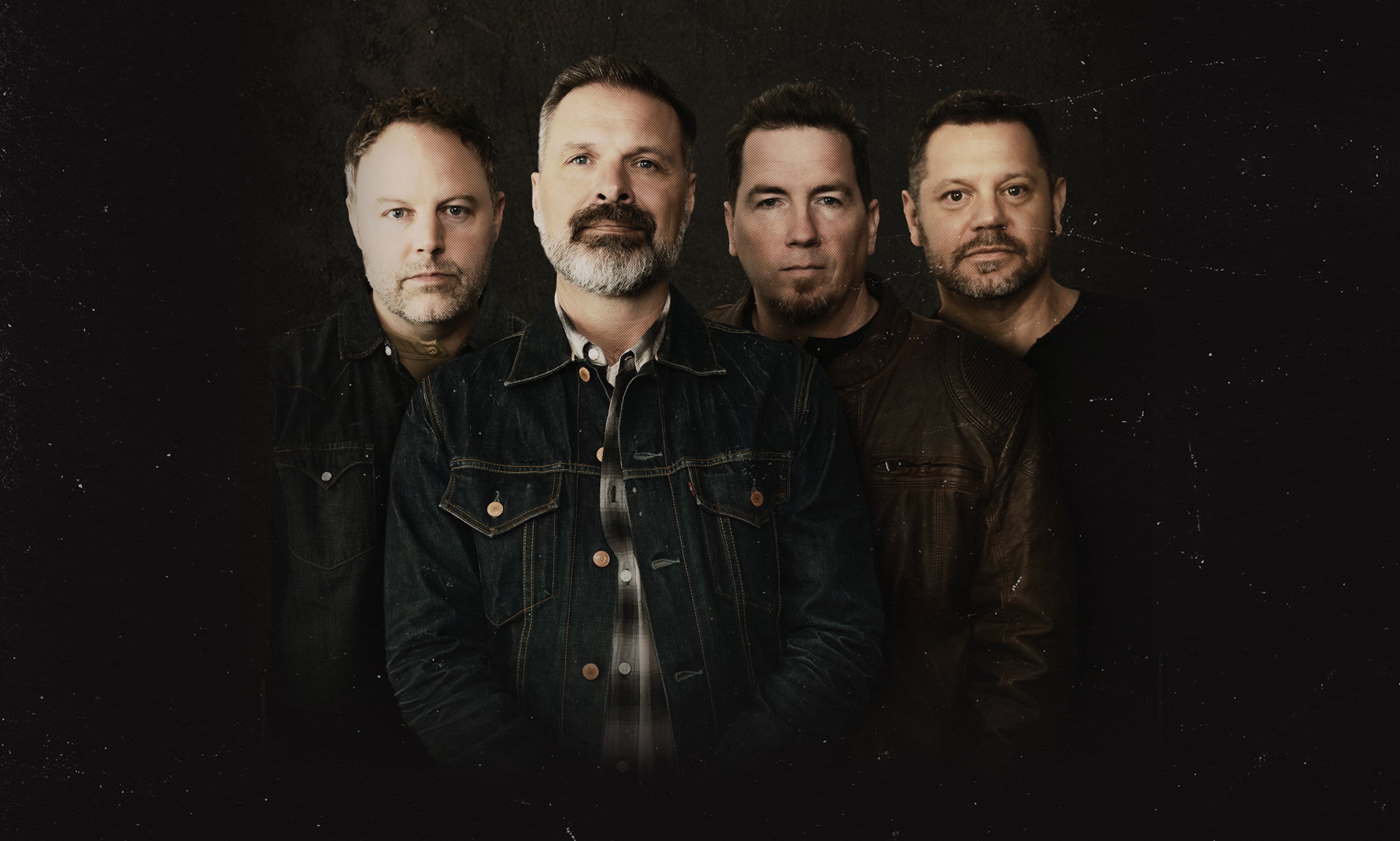
Apr. 12, 2026
Cassandra Lewis with Cole Ritter