- Today
- Holidays
- Birthdays
- Reminders
- Cities
- Atlanta
- Austin
- Baltimore
- Berwyn
- Beverly Hills
- Birmingham
- Boston
- Brooklyn
- Buffalo
- Charlotte
- Chicago
- Cincinnati
- Cleveland
- Columbus
- Dallas
- Denver
- Detroit
- Fort Worth
- Houston
- Indianapolis
- Knoxville
- Las Vegas
- Los Angeles
- Louisville
- Madison
- Memphis
- Miami
- Milwaukee
- Minneapolis
- Nashville
- New Orleans
- New York
- Omaha
- Orlando
- Philadelphia
- Phoenix
- Pittsburgh
- Portland
- Raleigh
- Richmond
- Rutherford
- Sacramento
- Salt Lake City
- San Antonio
- San Diego
- San Francisco
- San Jose
- Seattle
- Tampa
- Tucson
- Washington
Study Reveals Tradeoffs in Popular Weight Loss Treatments
Vanderbilt University research highlights the impact of weight loss drugs and bariatric surgery on body composition.
Apr. 9, 2026 at 11:38am
Got story updates? Submit your updates here. ›
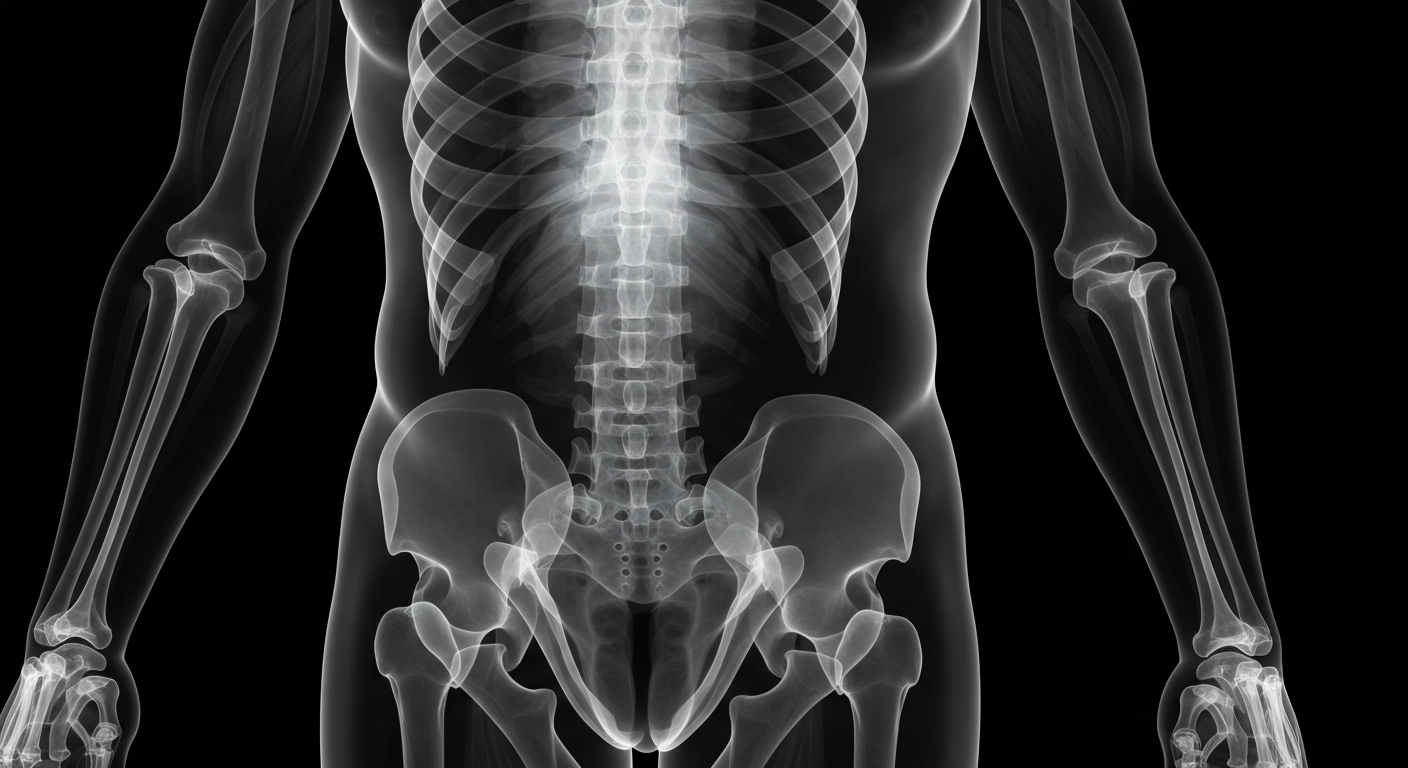 An X-ray view of the body's internal muscle structure reveals the delicate balance between fat loss and muscle preservation during weight loss treatments.Today in Nashville
A recent study from Vanderbilt University Medical Center has found that while popular weight loss treatments like drugs and bariatric surgery significantly reduce fat mass, they also lead to modest muscle loss. This raises concerns about the overall health implications, as muscle preservation is crucial for longevity and physical function.
Why it matters
The study highlights a fundamental tradeoff in weight loss approaches. While improving the fat-free mass to fat mass ratio can lead to health benefits, the loss of muscle mass during the process could counteract some of those gains. Maintaining muscle is essential for metabolism, physical function, and reducing the risk of chronic diseases and premature death.
The details
The research, supported by grants from the National Institutes of Health (NIH), found that both weight loss drugs and bariatric surgery resulted in significant decreases in fat mass over a 24-month period. However, participants also experienced a modest loss of muscle mass, an important factor that should not be overlooked in weight loss strategies. The study also revealed that male patients demonstrated a greater ability to preserve fat-free mass compared to female patients over the long term.
- The study was published on April 9, 2026.
The players
Vanderbilt University Medical Center
The academic medical center where the research was conducted and published.
National Institutes of Health (NIH)
The government agency that provided grants to support the research.
What’s next
The findings from this study underscore the need for healthcare providers to consider tailored approaches to weight loss that prioritize muscle preservation, especially when accounting for gender differences in body composition and muscle maintenance.
The takeaway
While weight loss drugs and bariatric surgery can significantly reduce fat mass, the associated muscle loss presents a significant concern. Achieving a balance between fat loss and muscle preservation is essential for promoting long-term health benefits and preventing the risks associated with low muscle mass.