- Today
- Holidays
- Birthdays
- Reminders
- Cities
- Atlanta
- Austin
- Baltimore
- Berwyn
- Beverly Hills
- Birmingham
- Boston
- Brooklyn
- Buffalo
- Charlotte
- Chicago
- Cincinnati
- Cleveland
- Columbus
- Dallas
- Denver
- Detroit
- Fort Worth
- Houston
- Indianapolis
- Knoxville
- Las Vegas
- Los Angeles
- Louisville
- Madison
- Memphis
- Miami
- Milwaukee
- Minneapolis
- Nashville
- New Orleans
- New York
- Omaha
- Orlando
- Philadelphia
- Phoenix
- Pittsburgh
- Portland
- Raleigh
- Richmond
- Rutherford
- Sacramento
- Salt Lake City
- San Antonio
- San Diego
- San Francisco
- San Jose
- Seattle
- Tampa
- Tucson
- Washington
Tennessee Braces for Potential Heat Dome as Spring Outlook Forecasts Warmer Temperatures
NOAA's Spring Outlook predicts above-average temperatures across much of the U.S., raising concerns about drought and wildfire risk.
Mar. 30, 2026 at 10:03am
Got story updates? Submit your updates here. ›
As spring arrives in Tennessee, the National Oceanic and Atmospheric Administration's (NOAA) Spring Outlook is forecasting above-normal seasonal temperatures for much of the country, including the Volunteer State. Meteorologists warn that this could bring the return of a 'heat dome', a sprawling area of high pressure that can lead to record-breaking heat, increased cooling demand, and heightened wildfire danger.
Why it matters
Heat domes can have significant impacts on public health, the power grid, and the environment. Extended periods of extreme heat can increase the risk of heat-related illnesses, strain the electrical infrastructure, and exacerbate drought conditions that contribute to wildfires. Tennessee residents will need to be prepared to stay safe and conserve energy during potential heat waves this spring and summer.
The details
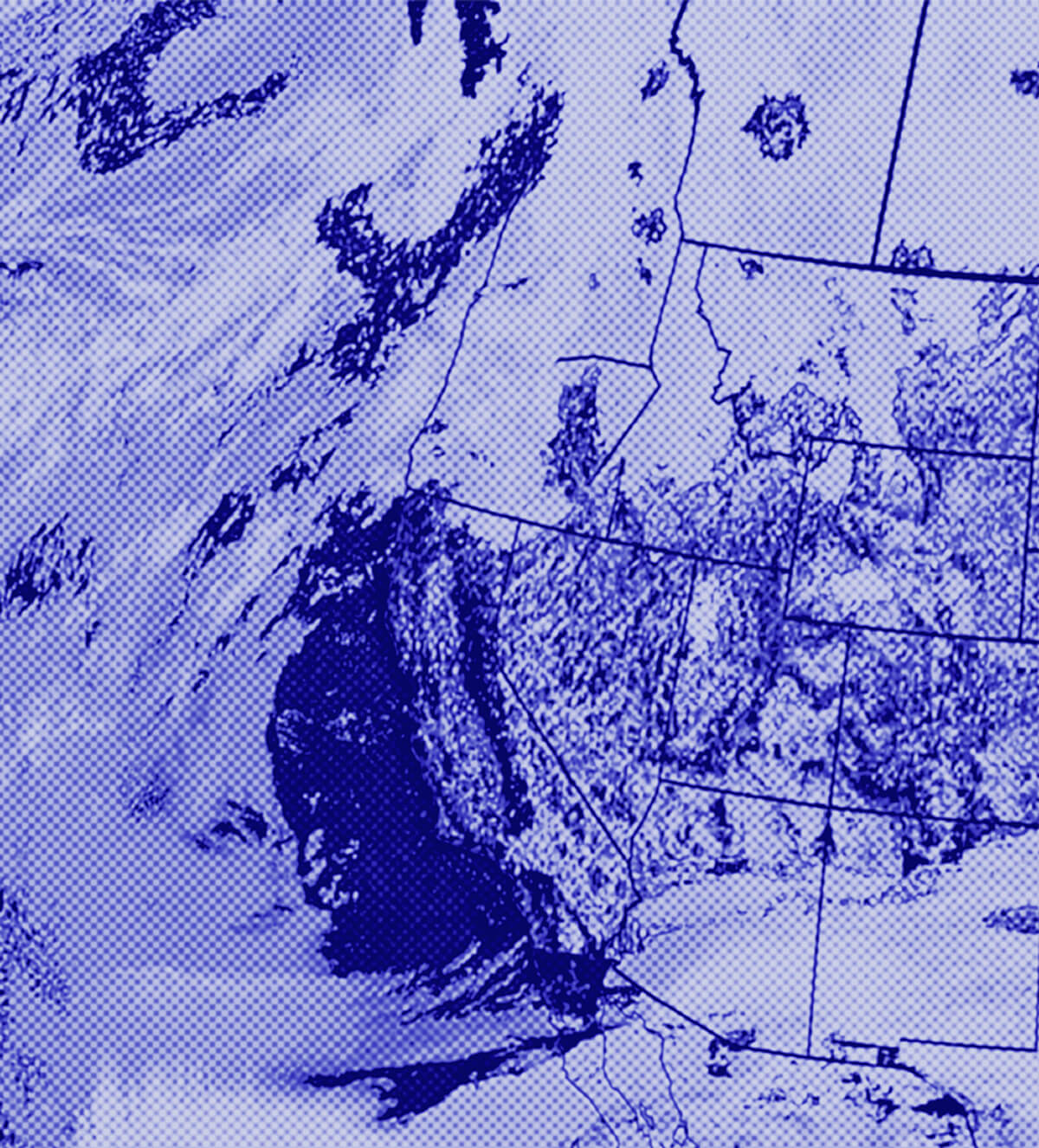
According to the NOAA outlook, much of the Western U.S. has already experienced a 'heat dome' preview, with record-breaking temperatures. Heat domes work like a balloon, expanding and contracting to bring hot, dry conditions that can last for days or weeks. This can prevent cloud formation, leading to abundant sunshine that further boosts temperatures. As the heat rises, so does the demand for cooling, potentially straining the power grid. The heat and dry conditions can also worsen drought and increase wildfire risk.
- NOAA's Spring Outlook was released on March 20, 2026.
- The heat dome phenomenon has already impacted the Western U.S. this spring.
The players
National Oceanic and Atmospheric Administration (NOAA)
The federal agency responsible for monitoring and predicting weather and climate conditions in the United States.
Alan Reppert
AccuWeather senior meteorologist who explained the mechanics of a heat dome.
Tom Kines
AccuWeather meteorologist who warned about the potential fire danger from an early-season heat wave.
Jon Gottschalck
Chief of the operational prediction branch at NOAA's Climate Prediction Center, who provided details on the seasonal temperature outlook.
Ryan Husted
National Weather Service meteorologist who commented on the presence of high-pressure systems and the potential for thunderstorms in Tennessee.
What they’re saying
“Heat domes are a lot like a balloon. They expand and contract as the day goes by, and when you are inside of it, it can be very warm.”
— Alan Reppert, AccuWeather senior meteorologist
“One concern we have about this early season heatwave across Southern California is it will cause the ground cover to brown up much earlier than usual, which could spell trouble/increase the fire danger if there is a Santa Ana event at some point in April or May.”
— Tom Kines, AccuWeather meteorologist
“Eventually though, it weakens or moves elsewhere. So I wouldn't be too worried about it.”
— Ryan Husted, National Weather Service Meteorologist
What’s next
The National Weather Service will continue to monitor the development and movement of any potential heat domes over the coming weeks and months, providing updates and guidance to Tennessee residents on how to stay safe and prepared.
The takeaway
This spring's weather outlook highlights the growing threat of extreme heat events driven by climate change. Tennessee residents will need to be vigilant in monitoring forecasts, conserving energy, and taking precautions to protect their health and safety if a heat dome settles over the region.