- Today
- Holidays
- Birthdays
- Reminders
- Cities
- Atlanta
- Austin
- Baltimore
- Berwyn
- Beverly Hills
- Birmingham
- Boston
- Brooklyn
- Buffalo
- Charlotte
- Chicago
- Cincinnati
- Cleveland
- Columbus
- Dallas
- Denver
- Detroit
- Fort Worth
- Houston
- Indianapolis
- Knoxville
- Las Vegas
- Los Angeles
- Louisville
- Madison
- Memphis
- Miami
- Milwaukee
- Minneapolis
- Nashville
- New Orleans
- New York
- Omaha
- Orlando
- Philadelphia
- Phoenix
- Pittsburgh
- Portland
- Raleigh
- Richmond
- Rutherford
- Sacramento
- Salt Lake City
- San Antonio
- San Diego
- San Francisco
- San Jose
- Seattle
- Tampa
- Tucson
- Washington
Judge Blocks National Guard Deployment in Memphis Crime Fight
Ruling raises questions about state and federal authority in addressing violent crime
Apr. 11, 2026 at 6:57pm
Got story updates? Submit your updates here. ›
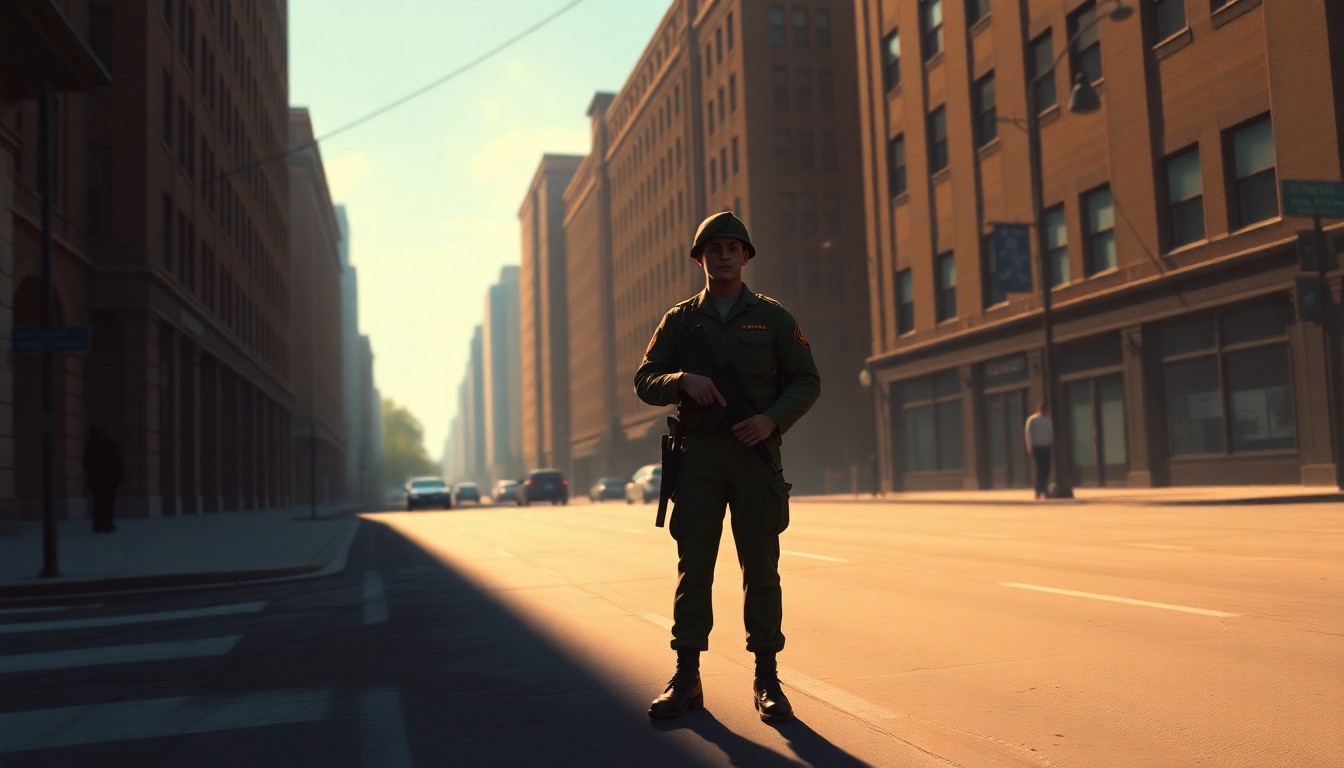 The judge's decision to block the National Guard deployment in Memphis has sparked a legal battle over the balance of power between state and federal authorities in addressing the city's violent crime.Memphis Today
A judge in Memphis, Tennessee has blocked the deployment of the National Guard to assist local law enforcement in a crime-fighting operation, sparking a legal battle over the balance of power between state and federal authorities. The operation, initiated by former President Trump, aimed to address the city's long-standing violent crime issues, but the judge ruled that specific conditions must be met for such a deployment, which the state has disputed.
Why it matters
This case highlights the ongoing tensions between state and federal control, as well as the complex legal and political dynamics involved in addressing public safety challenges. The ruling raises questions about the limits of executive power and the role of the military in domestic affairs, which could set precedents for future deployments.
The details
Judge Patricia Head Moskal ruled that the deployment of the National Guard requires specific conditions, such as rebellion or invasion, and even then, state politicians must take action. The state argued the governor has the authority to dispatch the Guard whenever needed, but the plaintiffs contended Tennessee law mandates a request from local government. Since their arrival, National Guard troops have been patrolling Memphis neighborhoods as part of a task force addressing violent crimes like assaults, carjackings, and homicides.
- On April 6, 2026, Judge Moskal issued the ruling blocking the National Guard deployment.
- The state has 5 days to appeal the judge's decision.
The players
Judge Patricia Head Moskal
The judge who ruled to block the National Guard deployment in Memphis.
Paul Young
The Democratic mayor of Memphis who did not request the National Guard but hoped the task force would prioritize violent offenders.
Bill Lee
The Republican governor of Tennessee who announced the National Guard deployment via a news release rather than issuing a formal order.
Lee Harris
The Shelby County mayor and plaintiff who expressed satisfaction with the judge's decision, emphasizing the importance of the rule of law.
Donald Trump
The former U.S. president who initiated the crime-fighting operation that led to the National Guard deployment in Memphis.
What they’re saying
“We must uphold the rule of law and ensure that any deployment of the National Guard adheres to the proper legal procedures and conditions.”
— Lee Harris, Shelby County Mayor
“The governor has the authority to dispatch the National Guard whenever needed to address public safety concerns.”
— Bill Lee, Governor of Tennessee
What’s next
The state has 5 days to appeal the judge's decision, which will determine the next steps in the legal battle over the National Guard deployment in Memphis.
The takeaway
This case highlights the ongoing tensions between state and federal control, as well as the complex legal and political dynamics involved in addressing public safety challenges. The ruling raises questions about the limits of executive power and the role of the military in domestic affairs, which could set precedents for future deployments.
Memphis top stories



Memphis events

Apr. 12, 2026
Brown Sugar Diner A Soulful Murder Mystery
Apr. 12, 2026
Brown Sugar Diner A Soulful Murder Mystery