- Today
- Holidays
- Birthdays
- Reminders
- Cities
- Atlanta
- Austin
- Baltimore
- Berwyn
- Beverly Hills
- Birmingham
- Boston
- Brooklyn
- Buffalo
- Charlotte
- Chicago
- Cincinnati
- Cleveland
- Columbus
- Dallas
- Denver
- Detroit
- Fort Worth
- Houston
- Indianapolis
- Knoxville
- Las Vegas
- Los Angeles
- Louisville
- Madison
- Memphis
- Miami
- Milwaukee
- Minneapolis
- Nashville
- New Orleans
- New York
- Omaha
- Orlando
- Philadelphia
- Phoenix
- Pittsburgh
- Portland
- Raleigh
- Richmond
- Rutherford
- Sacramento
- Salt Lake City
- San Antonio
- San Diego
- San Francisco
- San Jose
- Seattle
- Tampa
- Tucson
- Washington
Reprogrammed Immune Cells May Boost Cancer Therapy
St. Jude researchers find way to restore dendritic cell function and improve immunotherapy efficacy
Apr. 3, 2026 at 5:30am
Got story updates? Submit your updates here. ›
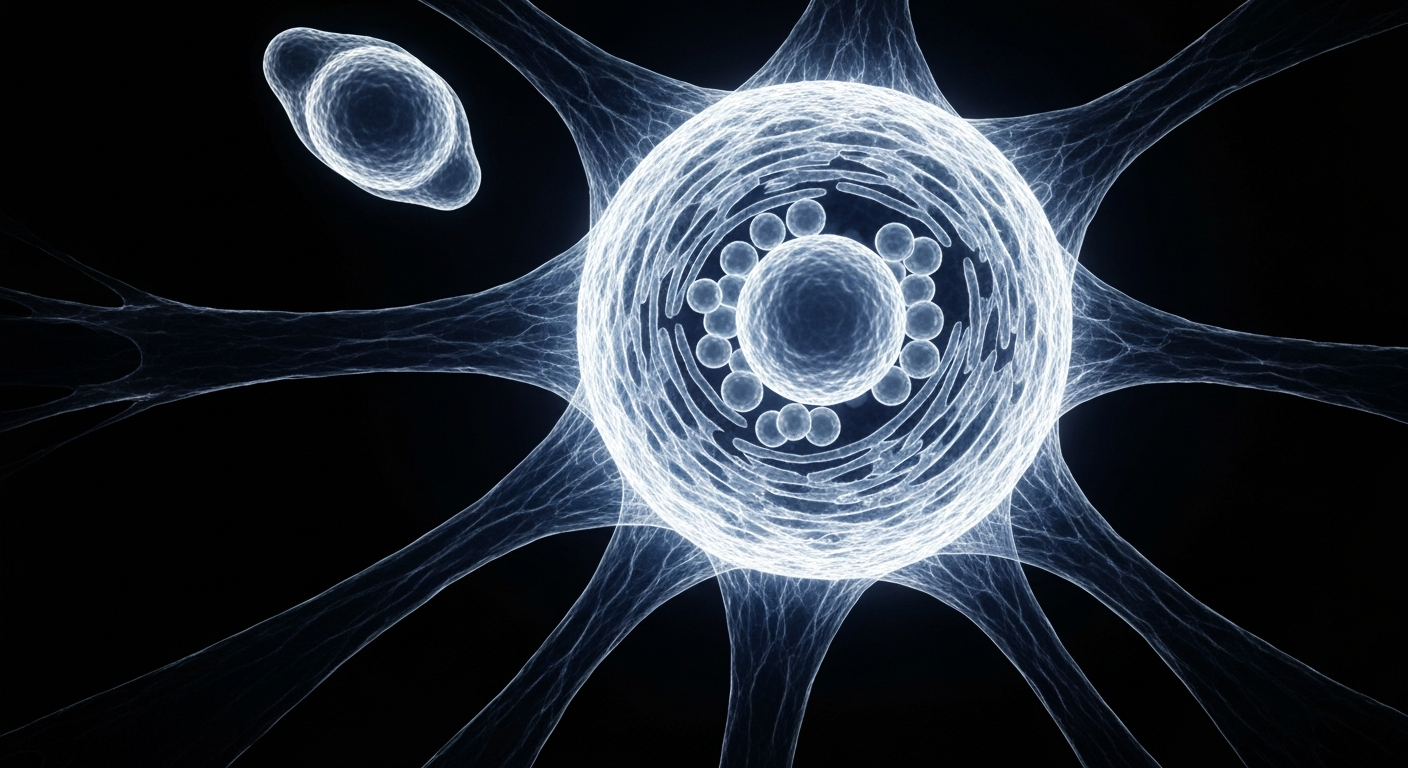 Cutting-edge imaging techniques reveal the metabolic reprogramming of dendritic cells within the tumor microenvironment, offering new avenues to enhance cancer immunotherapies.Memphis Today
Researchers at St. Jude Children's Research Hospital have discovered how tumors disable immune "gatekeeper" dendritic cells, preventing them from activating the rest of the immune system to fight cancer. By boosting the mitochondrial function of dendritic cells, the team was able to restore their immunogenic activity and improve the efficacy of existing immunotherapies in preclinical models.
Why it matters
Dendritic cells play a critical role in activating the body's immune response against cancer, but tumors can reprogram their metabolism to shut down this function. Understanding this mechanism provides new opportunities to enhance cancer immunotherapies, which have shown promise but have limitations in certain cancer types.
The details
The researchers found that within the nutrient-sparse tumor microenvironment, dendritic cells lose their mitochondrial activity, driving dysfunction and weakening the immune defenses against cancer. By introducing dendritic cells with high mitochondrial activity into tumors in mouse models, the team was able to restore dendritic cell immunogenic activity and improve tumor control. Combining this approach with immune checkpoint blockade showed the most pronounced therapeutic effect, synergistically slowing or stopping tumor growth and extending survival.
- The study's findings were published on April 2, 2026.
- The researchers exposed treated mice to a new tumor months later, and those mice were also able to stop the new tumor's growth, indicating durable, long-term immune memory was established.
The players
Hongbo Chi
PhD, chair of the St. Jude Department of Immunology.
Zhiyuan You
PhD, co-first author and researcher in the St. Jude Department of Immunology.
Jiyeon Kim
PhD, co-first author and researcher in the St. Jude Department of Immunology.
St. Jude Children's Research Hospital
A leading pediatric treatment and research facility located in Memphis, Tennessee.
What they’re saying
“We found that tumors reprogram mitochondrial metabolism in dendritic cells, reducing their ability to activate the immune system against cancer. By enhancing mitochondrial function, we could restore dendritic cell activity and rescue antitumor immunity.”
— Hongbo Chi, PhD, St. Jude Department of Immunology chair
“We saw the most pronounced therapeutic effect in mice treated with the combination of dendritic cells that had high mitochondrial activity and immune checkpoint blockade. Those combinations synergistically slowed or stopped tumor growth and extended survival far more than either treatment alone.”
— Zhiyuan You, PhD, co-first author
“We're seeing a direct regulation of dendritic cells by the tumor microenvironment. We have characterized how that results in mitochondrial reprogramming of dendritic cells to benefit cancer, giving us new opportunities to reverse the process.”
— Jiyeon Kim, PhD, co-first author
What’s next
The researchers plan to continue exploring ways to rewire dendritic cell function to enhance cancer treatments, building on the mechanistic insights provided by this study.
The takeaway
This research highlights the central role of dendritic cells in cancer immunity and provides a proof-of-principle for improving immunotherapies by targeting the metabolic reprogramming of these immune cells within the tumor microenvironment.
Memphis top stories



Memphis events

Apr. 3, 2026
Memphis Redbirds vs. Norfolk Tides
Apr. 3, 2026
Memphis Grizzlies vs. Toronto Raptors
Apr. 5, 2026
Memphis Redbirds vs. Norfolk Tides