- Today
- Holidays
- Birthdays
- Reminders
- Cities
- Atlanta
- Austin
- Baltimore
- Berwyn
- Beverly Hills
- Birmingham
- Boston
- Brooklyn
- Buffalo
- Charlotte
- Chicago
- Cincinnati
- Cleveland
- Columbus
- Dallas
- Denver
- Detroit
- Fort Worth
- Houston
- Indianapolis
- Knoxville
- Las Vegas
- Los Angeles
- Louisville
- Madison
- Memphis
- Miami
- Milwaukee
- Minneapolis
- Nashville
- New Orleans
- New York
- Omaha
- Orlando
- Philadelphia
- Phoenix
- Pittsburgh
- Portland
- Raleigh
- Richmond
- Rutherford
- Sacramento
- Salt Lake City
- San Antonio
- San Diego
- San Francisco
- San Jose
- Seattle
- Tampa
- Tucson
- Washington
Supreme Court Limits President's Tariff Powers in Major Ruling
The decision is seen as a win for separation of powers and could provide stability for trade-heavy states like Tennessee.
Feb. 23, 2026 at 11:07am
Got story updates? Submit your updates here. ›
In a 6-3 decision, the Supreme Court ruled that the International Emergency Economic Powers Act (IEEPA) of 1977 does not authorize the President to unilaterally impose tariffs, dealing a blow to the Trump administration's trade policies. The Court called on the "major questions doctrine" to resolve the case, stating that if the President wants to significantly disrupt the global economy, he needs clearer congressional approval than a 50-year-old emergency statute.
Why it matters
This ruling is seen as a major win for the separation of powers, as it limits the executive branch's ability to bypass Congress on trade policy. For trade-heavy states like Tennessee, which exported nearly $40 billion in goods in 2024, the decision could provide much-needed stability after years of uncertainty caused by the administration's tariff wars and retaliatory measures from trading partners.
The details
The case, Learning Resources, Inc. v. Trump, centered on the administration's use of IEEPA to justify imposing billions in tariffs on imports. Chief Justice John Roberts, writing for the majority, rejected this argument, stating that the law's language about "regulating importation" does not give the President unilateral authority to levy such sweeping taxes. The Court invoked the "major questions doctrine" to rule that if the President wants to drastically reshape global trade, he needs clearer congressional approval than a decades-old emergency statute.
- The Supreme Court issued its 6-3 decision on February 23, 2026.
- In 2024, Tennessee exported nearly $40 billion in goods ranging from medical instruments to aircraft parts.
The players
Supreme Court
The highest court in the United States, which issued the 6-3 ruling limiting the President's tariff powers.
John Roberts
The Chief Justice of the Supreme Court, who wrote the majority opinion in the case.
Donald Trump
The former President whose administration sought to justify imposing tariffs under the IEEPA.
Tennessee
A trade-heavy state that exported nearly $40 billion in goods in 2024, and which could benefit from the increased stability provided by the Supreme Court's ruling.
What they’re saying
“The International Emergency Economic Powers Act (IEEPA) of 1977 'does not authorize the President to impose tariffs.'”
— John Roberts, Chief Justice of the Supreme Court
“If President Trump wants to upend the entire global economy, he needs a clearer mandate than a 50-year-old emergency statute.”
— John Roberts, Chief Justice of the Supreme Court
What’s next
The White House has announced it will invoke Section 122 of the Trade Act of 1974 to impose a new 10% global tariff, despite the Supreme Court's ruling against the administration's use of IEEPA to justify tariffs.
The takeaway
This Supreme Court decision is a major victory for the separation of powers, limiting the executive branch's ability to unilaterally disrupt global trade without clear congressional approval. For trade-dependent states like Tennessee, the ruling could provide much-needed stability after years of uncertainty caused by the administration's tariff wars.
Memphis top stories



Memphis events

Apr. 9, 2026
Lolo Pritchard: The Piano & Me Tour
Apr. 10, 2026
Just Liyah & Maxwell 90s Tribute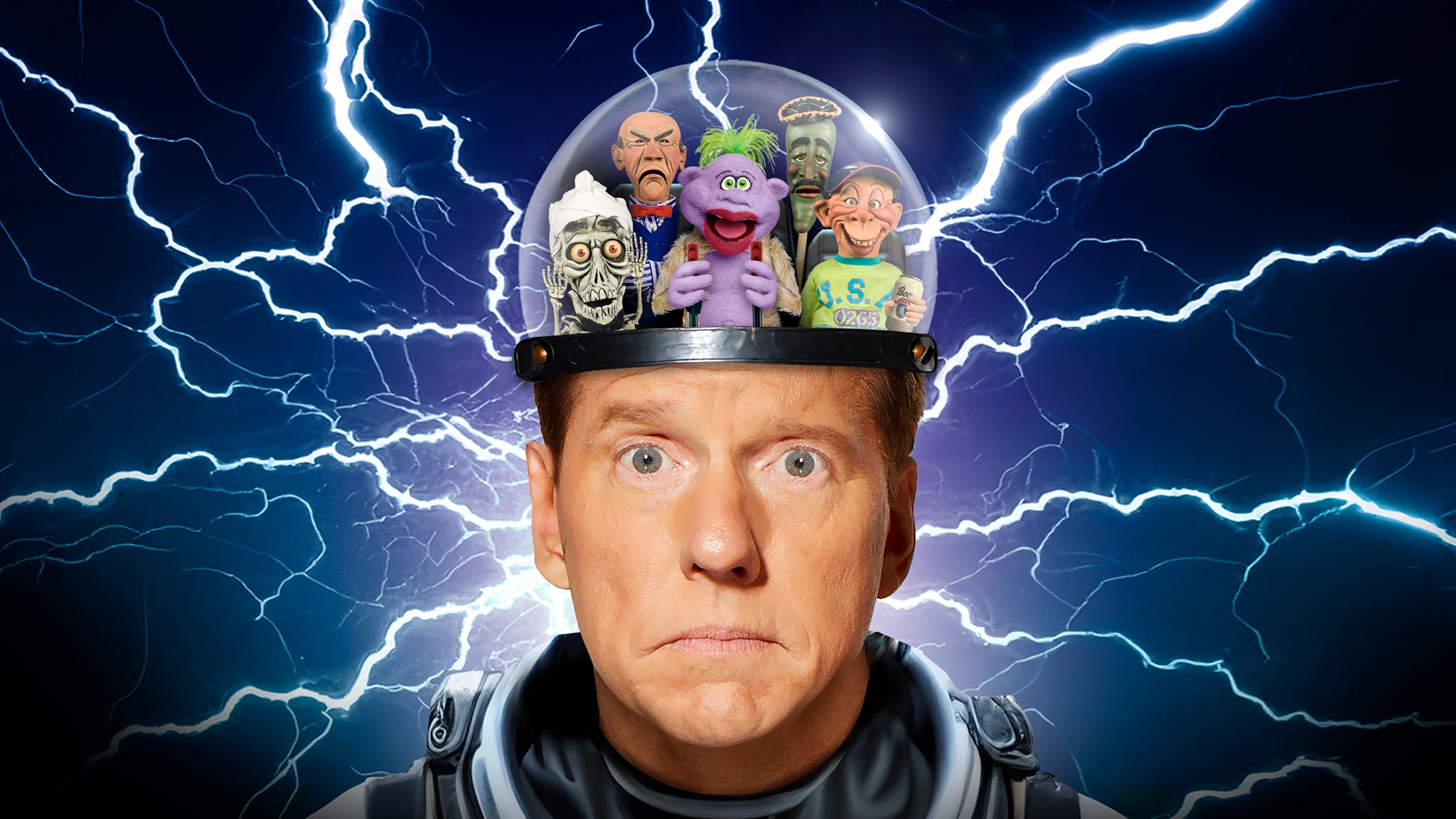
Apr. 10, 2026
Jeff Dunham Artificial Intelligence