- Today
- Holidays
- Birthdays
- Reminders
- Cities
- Atlanta
- Austin
- Baltimore
- Berwyn
- Beverly Hills
- Birmingham
- Boston
- Brooklyn
- Buffalo
- Charlotte
- Chicago
- Cincinnati
- Cleveland
- Columbus
- Dallas
- Denver
- Detroit
- Fort Worth
- Houston
- Indianapolis
- Knoxville
- Las Vegas
- Los Angeles
- Louisville
- Madison
- Memphis
- Miami
- Milwaukee
- Minneapolis
- Nashville
- New Orleans
- New York
- Omaha
- Orlando
- Philadelphia
- Phoenix
- Pittsburgh
- Portland
- Raleigh
- Richmond
- Rutherford
- Sacramento
- Salt Lake City
- San Antonio
- San Diego
- San Francisco
- San Jose
- Seattle
- Tampa
- Tucson
- Washington
Fire-Loving Fungi: Nature's First Responders After Wildfires
Researchers discover how these microscopic organisms help restore scorched landscapes.
Apr. 3, 2026 at 7:00am
Got story updates? Submit your updates here. ›
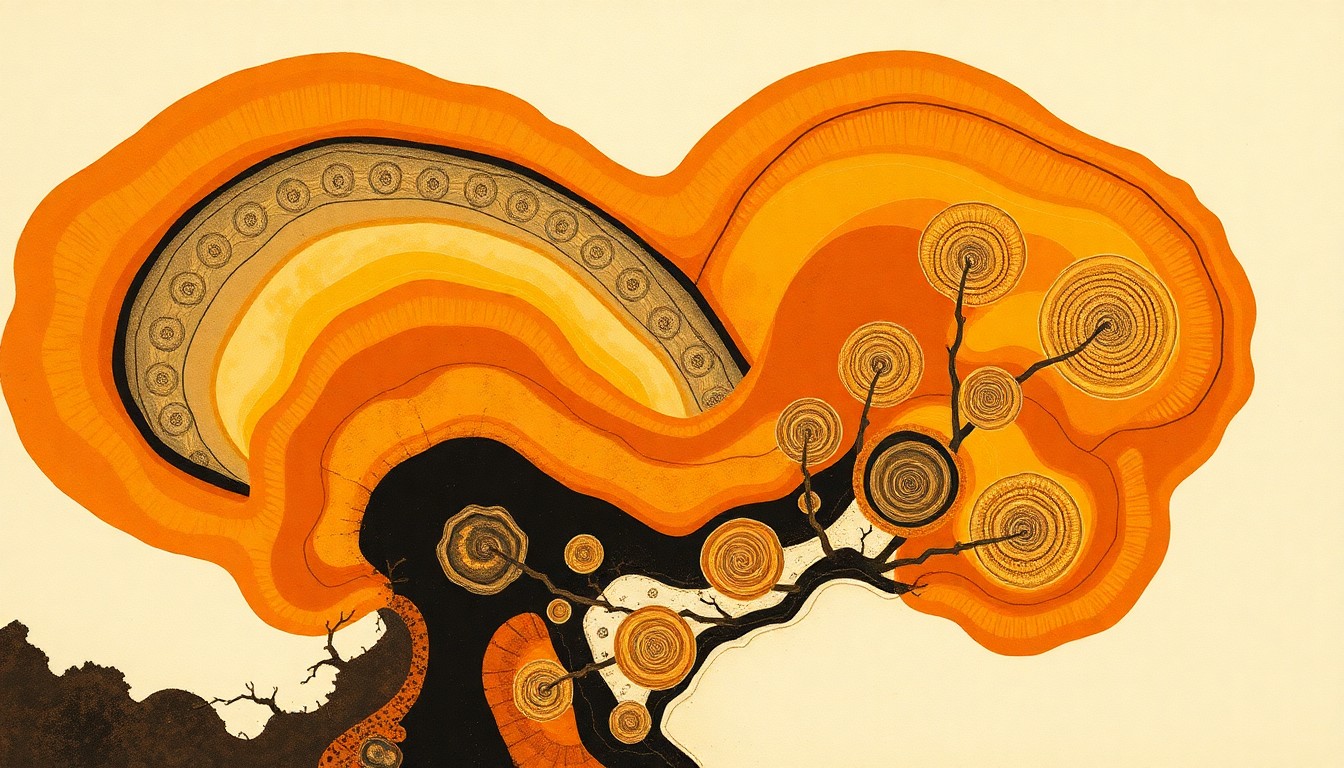 Microscopic fungi emerge as unsung heroes in the ecological recovery after devastating wildfires.Knoxville Today
After a severe wildfire, the first signs of life returning are often flowers or birds. But what arrives even earlier are tiny fungal fruiting bodies that push through scorched soil and release spores, briefly carpeting otherwise-bare ground. These 'pyrophilous' or fire-loving fungi are the first responders, playing a crucial role in breaking down charred material and repairing the physical structure of the soil to enable long-term recovery.
Why it matters
As wildfires grow more severe and frequent, understanding the role of fire fungi is becoming increasingly important. These organisms and the mycelial mats they build likely play a significant part in helping seeds germinate after a fire and shaping the pace and diversity of long-term ecological recovery. A better understanding of fire fungi could give ecologists and land managers tools to actively support post-fire regeneration.
The details
High-intensity wildfires can reach over 1,000°C, essentially burning away the top layer of soil and leaving behind pyrolyzed organic material - a mix of soot and charcoal that is almost entirely carbon. This material is difficult for most microbes to break down. However, pyrophilous fungi appear to have evolved specifically to function in this inhospitable terrain. Lab experiments show they can use the charred matter as a carbon source, converting it into a more accessible form for other organisms. The fungi also help repair the physical structure of the soil through mycelial mats that stabilize the destabilized ground.
- Within weeks of a wildfire, the first visible signs of pyrophilous fungi appear.
- Following the 2016 wildfires in Great Smoky Mountains National Park, researchers found extensive mycelial mats across the burned landscape.
The players
Monika Fischer
A mycologist at the University of British Columbia who studies pyrophilous fungi.
Matt Traxler
A microbiologist at the University of California, Berkeley who researches how fire fungi break down charred soil.
Karen Hughes
A mycologist at the University of Tennessee, Knoxville, who has studied the role of mycelial mats in post-fire soil stabilization.
What they’re saying
“They really seem like the first responders. They're the things that are growing the most rapidly first.”
— Monika Fischer, Mycologist, University of British Columbia
“Very few microbes, or very few organisms, could just take that in to try to eat it.”
— Matt Traxler, Microbiologist, University of California, Berkeley
What’s next
Researchers are still working to fully understand how early differences in fungal communities shape the long-term recovery of ecosystems after wildfires. A better grasp of fire fungi's role could provide ecologists and land managers with new tools to actively support post-fire regeneration.
The takeaway
Fire-loving fungi are the unsung heroes of post-wildfire recovery, arriving first to break down charred soil and stabilize the landscape, paving the way for plants and animals to eventually return. As wildfires worsen, these microscopic organisms are gaining new importance in our understanding of ecological resilience.