- Today
- Holidays
- Birthdays
- Reminders
- Cities
- Atlanta
- Austin
- Baltimore
- Berwyn
- Beverly Hills
- Birmingham
- Boston
- Brooklyn
- Buffalo
- Charlotte
- Chicago
- Cincinnati
- Cleveland
- Columbus
- Dallas
- Denver
- Detroit
- Fort Worth
- Houston
- Indianapolis
- Knoxville
- Las Vegas
- Los Angeles
- Louisville
- Madison
- Memphis
- Miami
- Milwaukee
- Minneapolis
- Nashville
- New Orleans
- New York
- Omaha
- Orlando
- Philadelphia
- Phoenix
- Pittsburgh
- Portland
- Raleigh
- Richmond
- Rutherford
- Sacramento
- Salt Lake City
- San Antonio
- San Diego
- San Francisco
- San Jose
- Seattle
- Tampa
- Tucson
- Washington
North Augusta Today
By the People, for the People
North Augusta Launches Citizen AED Response Program
South Carolina city partners with Avive to equip volunteers and integrate with 911 for faster cardiac arrest response times.
Apr. 3, 2026 at 9:00am
Got story updates? Submit your updates here. ›
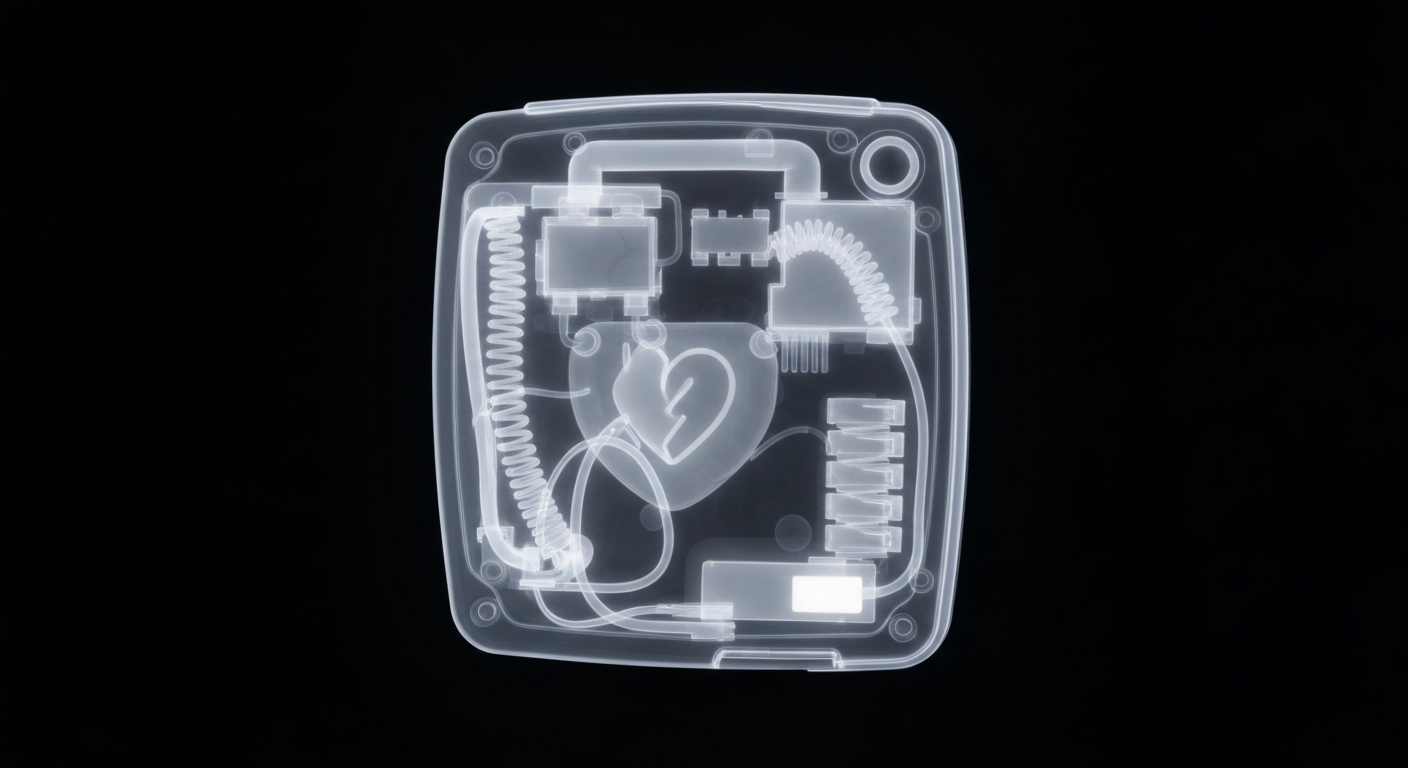 An X-ray view of the inner workings of an AED device, a critical tool now in the hands of citizen volunteers in North Augusta to improve cardiac arrest response times.North Augusta Today
The city of North Augusta, South Carolina has become the first in the state to partner with Avive and establish a team of citizen volunteers equipped with AEDs and integrated into the local 911 dispatch system. The goal is to have an AED within 4 minutes of anyone experiencing cardiac arrest in the city. North Augusta was awarded a $100,000 grant to launch the "4 Minute Community" program, which has already trained an initial group of 50 volunteers on using the AEDs.
Why it matters
North Augusta's new program aims to dramatically improve survival rates for out-of-hospital cardiac arrests, which currently have an average survival rate of only 10% nationally. By placing AEDs in the hands of trained citizen volunteers and integrating them with 911, the city hopes to increase the chances of bystander intervention and defibrillation within the critical first few minutes of an emergency.
The details
North Augusta's "Cardiac Arrest Rapid Engagement (CARE) Team" volunteers will be equipped with easy-to-use AED devices that provide step-by-step instructions and automatically notify them of nearby cardiac arrest incidents. The city analyzed 3 years of local cardiac arrest data to identify high-risk areas and target volunteer placements. The AED devices also automatically send EKG reports to hospitals when EMS arrives. Avive, the company partnering with North Augusta, will provide ongoing support and follow-up to ensure volunteers feel prepared to respond.
- North Augusta was awarded the $100,000 grant in December 2025.
- The first training session for 50 CARE Team volunteers took place on March 30, 2026.
The players
Avive
A company that partners with communities to establish citizen-volunteer AED response programs integrated with 911 dispatch.
Municipal Association of South Carolina
The organization that awarded North Augusta a $100,000 "Big Ideas" grant to launch its 4 Minute Community program.
Elizabeth Ranew
A North Augusta resident who underwent training to become a CARE Team volunteer.
Margaret Bafford
A Neuro-PCU nurse at Piedmont who signed up to be a CARE Team volunteer after witnessing slow EMS response times at a local sports event.
Henry Hall
A North Augusta resident certified in CPR and AED use through his job at Savannah River Site, who joined the CARE Team to help improve access to AEDs in the city.
What they’re saying
“It's just a way to give back and try to save somebody's life.”
— Elizabeth Ranew
“If there's a few of us around town that have access to these devices, we can get to people and save more people's lives than what we have been [able to].”
— Margaret Bafford, Neuro-PCU Nurse, Piedmont
“You can't have enough of them out there, and AEDs are literally what save people's lives. CPR buys them time, but an AED's going to save their life.”
— Joe Waldrop, Sergeant, North Augusta Department of Public Safety
What’s next
The portal for applying to be part of North Augusta's Cardiac Arrest Rapid Engagement (CARE) Team is still open online for those wanting to participate in the program. Additional training sessions are planned for volunteers who may not have prior CPR or AED experience.
The takeaway
North Augusta's innovative partnership with Avive to equip citizen volunteers with AEDs and integrate them into the 911 system demonstrates how communities can take proactive steps to improve cardiac arrest survival rates. This program has the potential to serve as a model for other cities looking to increase bystander intervention and access to life-saving defibrillation.