- Today
- Holidays
- Birthdays
- Reminders
- Cities
- Atlanta
- Austin
- Baltimore
- Berwyn
- Beverly Hills
- Birmingham
- Boston
- Brooklyn
- Buffalo
- Charlotte
- Chicago
- Cincinnati
- Cleveland
- Columbus
- Dallas
- Denver
- Detroit
- Fort Worth
- Houston
- Indianapolis
- Knoxville
- Las Vegas
- Los Angeles
- Louisville
- Madison
- Memphis
- Miami
- Milwaukee
- Minneapolis
- Nashville
- New Orleans
- New York
- Omaha
- Orlando
- Philadelphia
- Phoenix
- Pittsburgh
- Portland
- Raleigh
- Richmond
- Rutherford
- Sacramento
- Salt Lake City
- San Antonio
- San Diego
- San Francisco
- San Jose
- Seattle
- Tampa
- Tucson
- Washington
Georgetown Today
By the People, for the People
Georgetown Professor Shares Story of Living with Aphasia After Stroke
The former chair of Georgetown University's history department writes about his experience with expressive aphasia following a stroke.
Apr. 9, 2026 at 5:30pm
Got story updates? Submit your updates here. ›
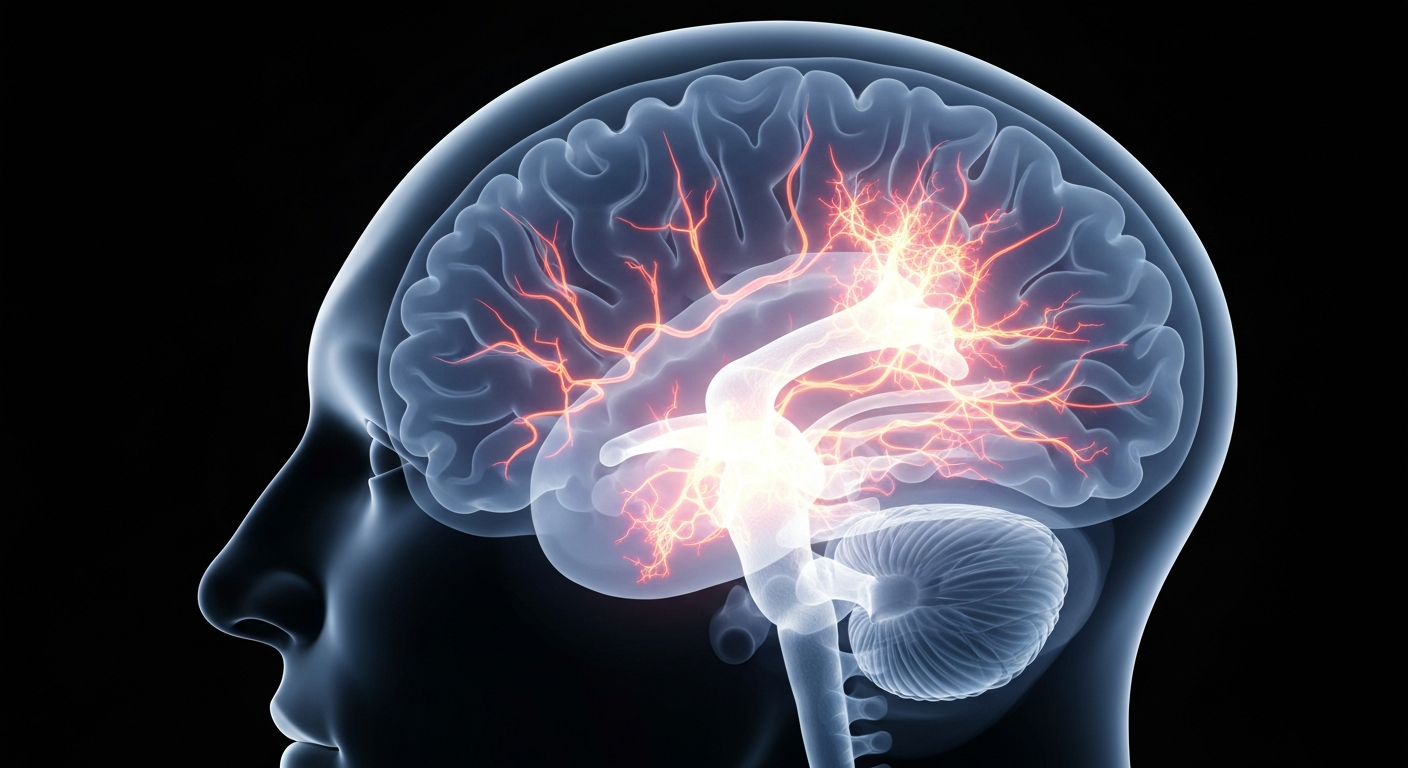 An X-ray-like glimpse into the brain of a stroke survivor living with aphasia, a communication disorder that affects language processing but not comprehension.Georgetown Today
In July 2023, the 73-year-old former chair of Georgetown University's history department suffered a stroke that left him unable to speak and paralyzed on his right side. After emergency surgery and extensive physical and speech therapy, he regained the ability to walk and use his right hand, though with limited feeling. He now lives with expressive aphasia, a communication disorder that affects his ability to produce words, but not his understanding of speech. Despite the challenges, he is turning his experience into an opportunity to educate others about aphasia.
Why it matters
Aphasia is a common but often misunderstood communication disorder that affects more than 2 million people in the U.S. This personal account from a respected academic provides valuable insight into the daily realities of living with aphasia and the importance of rehabilitation and support for stroke survivors.
The details
The professor, who was biking 20 miles a week, lifting weights, and working full-time before his stroke, spent several days in the ICU and was then transferred to the stroke recovery unit. After years of occupational therapy, he has regained some function in his right hand, but still has no feeling. Due to his Broca's aphasia, a form of expressive aphasia, he has difficulty producing words, though he can understand speech. Writing this article was a labor-intensive process for him, with each writing session producing just a few sentences, either typed one-handed or dictated.
- On July 14, 2023, the professor woke up unable to speak and paralyzed on his right side.
- He spent several days in the ICU after the stroke.
- After years of occupational therapy, he has regained some function in his right hand, but still has no feeling.
The players
Margaret Berry
The professor's daughter, who helped organize his sentences into sections and reviewed the article with him over numerous sessions.
The professor
A former chair of Georgetown University's history department who suffered a stroke in 2023 that left him with expressive aphasia, a communication disorder that affects his ability to produce words.
What they’re saying
“He is a lifelong teacher, so it comes as no surprise to family and friends that he is turning this difficult experience into an opportunity to educate others. Despite the great losses that come with a stroke, my dad chooses to find purpose and joy.”
— Margaret Berry, The professor's daughter
What’s next
The professor plans to continue sharing his story and educating others about aphasia through speaking engagements and other outreach efforts.
The takeaway
This personal account highlights the resilience and determination of stroke survivors living with aphasia, and the importance of rehabilitation, support, and public awareness in helping those affected by this communication disorder.