- Today
- Holidays
- Birthdays
- Reminders
- Cities
- Atlanta
- Austin
- Baltimore
- Berwyn
- Beverly Hills
- Birmingham
- Boston
- Brooklyn
- Buffalo
- Charlotte
- Chicago
- Cincinnati
- Cleveland
- Columbus
- Dallas
- Denver
- Detroit
- Fort Worth
- Houston
- Indianapolis
- Knoxville
- Las Vegas
- Los Angeles
- Louisville
- Madison
- Memphis
- Miami
- Milwaukee
- Minneapolis
- Nashville
- New Orleans
- New York
- Omaha
- Orlando
- Philadelphia
- Phoenix
- Pittsburgh
- Portland
- Raleigh
- Richmond
- Rutherford
- Sacramento
- Salt Lake City
- San Antonio
- San Diego
- San Francisco
- San Jose
- Seattle
- Tampa
- Tucson
- Washington
Poet Imagines Icarus Living Quiet Life in Suburbs
Reimagined tales of the mythical figure explore themes of heroism, failure, and the human condition.
Mar. 30, 2026 at 8:55pm
Got story updates? Submit your updates here. ›
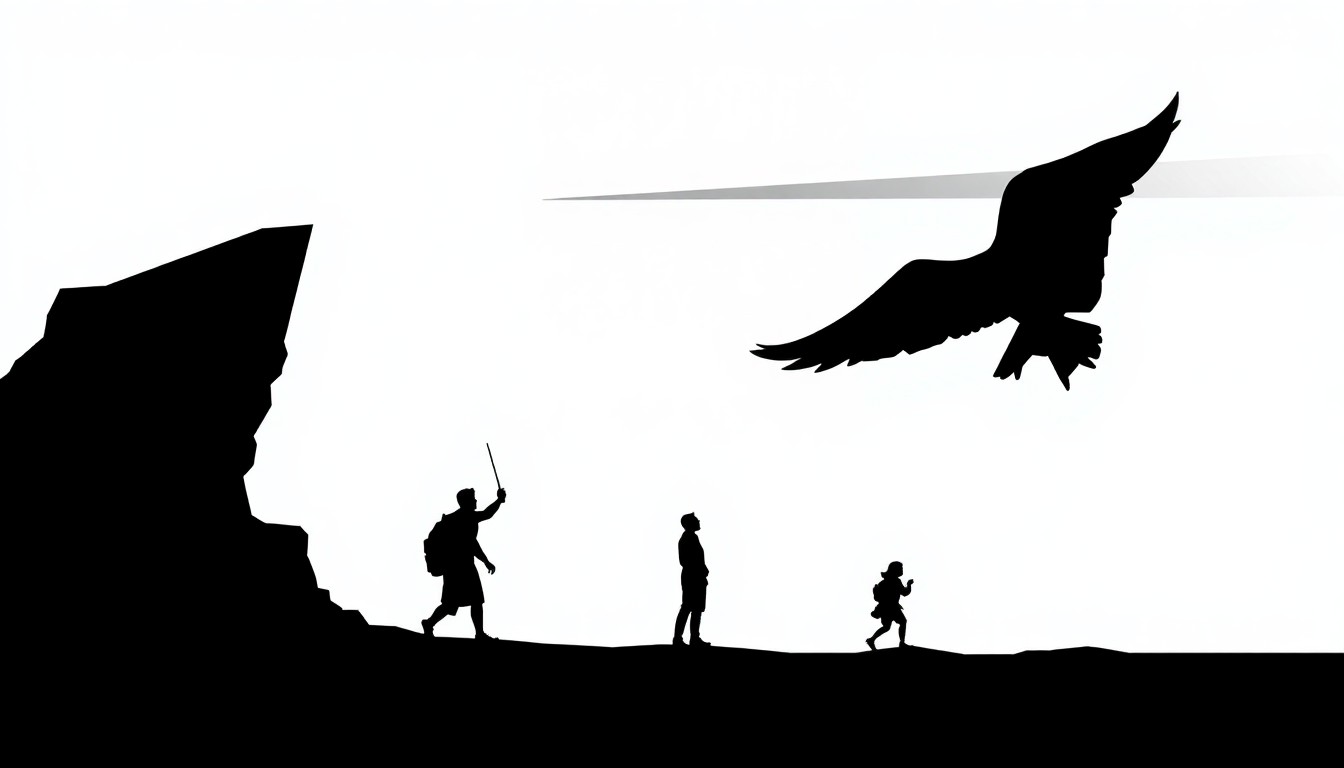 Reimagined tales of the mythical Icarus explore the complexities of heroism, failure, and the human condition.Scranton Today
A group of American poets have reimagined the classic Greek myth of Icarus, exploring themes of heroism, failure, and the human condition. The poets envision Icarus as an immigrant adrift, hiding in the shadows, or living an anonymous suburban life, challenging the traditional tragic narrative of his famous fall.
Why it matters
The Icarus myth has long captured the human imagination, representing themes of ambition, hubris, and the fragility of the human experience. By reinterpreting this classic tale, the poets offer fresh perspectives that resonate with modern audiences and shed light on universal questions about the nature of heroism, the consequences of our choices, and the human capacity for reinvention.
The details
The poets featured in the article offer distinct visions of Icarus' fate. David Moolten imagines Icarus as an immigrant, adrift on a wayward voyage, not falling into the sea but instead drifting back toward Russia. Bill Callahan envisions Icarus in hiding, flying at night for years. And the late Edward Field imagines Icarus living a quiet, anonymous life in the suburbs, having given up on his heroic dreams.
- The article was published on March 30, 2026.
- The paintings featured in the article were created in 2025 and 2026.
The players
David Moolten
An American poet who reimagines Icarus as an immigrant adrift on a wayward voyage.
Bill Callahan
An American poet who envisions Icarus in hiding, flying at night for years.
Edward Field
A late American poet who imagines Icarus living a quiet, anonymous life in the suburbs, having given up on his heroic dreams.
What they’re saying
“He doesn't fall into the sea, but back Toward Russia”
— David Moolten, Poet
“Young Icarus flew at night for years He flew and flew and flew … As obsessed with evolution as ever From a hill behind a gas station in Scranton”
— Bill Callahan, Poet
“What was he doing aging in a suburb?”
— Edward Field, Poet
“He had thought himself a hero, had acted heroically, And dreamt of his fall, the tragic fall of the hero; But now rides commuter trains, Serves on various committees, And wishes he had drowned.”
— Edward Field, Poet
What’s next
The article does not mention any specific future events related to this story.
The takeaway
By reimagining the classic Icarus myth, these poets challenge the traditional narrative and offer thought-provoking perspectives on the human experience. Their diverse interpretations explore themes of identity, ambition, failure, and the search for meaning, resonating with modern audiences and inviting deeper reflection on the complexities of the human condition.