- Today
- Holidays
- Birthdays
- Reminders
- Cities
- Atlanta
- Austin
- Baltimore
- Berwyn
- Beverly Hills
- Birmingham
- Boston
- Brooklyn
- Buffalo
- Charlotte
- Chicago
- Cincinnati
- Cleveland
- Columbus
- Dallas
- Denver
- Detroit
- Fort Worth
- Houston
- Indianapolis
- Knoxville
- Las Vegas
- Los Angeles
- Louisville
- Madison
- Memphis
- Miami
- Milwaukee
- Minneapolis
- Nashville
- New Orleans
- New York
- Omaha
- Orlando
- Philadelphia
- Phoenix
- Pittsburgh
- Portland
- Raleigh
- Richmond
- Rutherford
- Sacramento
- Salt Lake City
- San Antonio
- San Diego
- San Francisco
- San Jose
- Seattle
- Tampa
- Tucson
- Washington
Ancient Herbivore Tyrannoroter Heberti Discovered
307-million-year-old plant-eating creature challenges assumptions about early land animals
Apr. 11, 2026 at 2:33am
Got story updates? Submit your updates here. ›
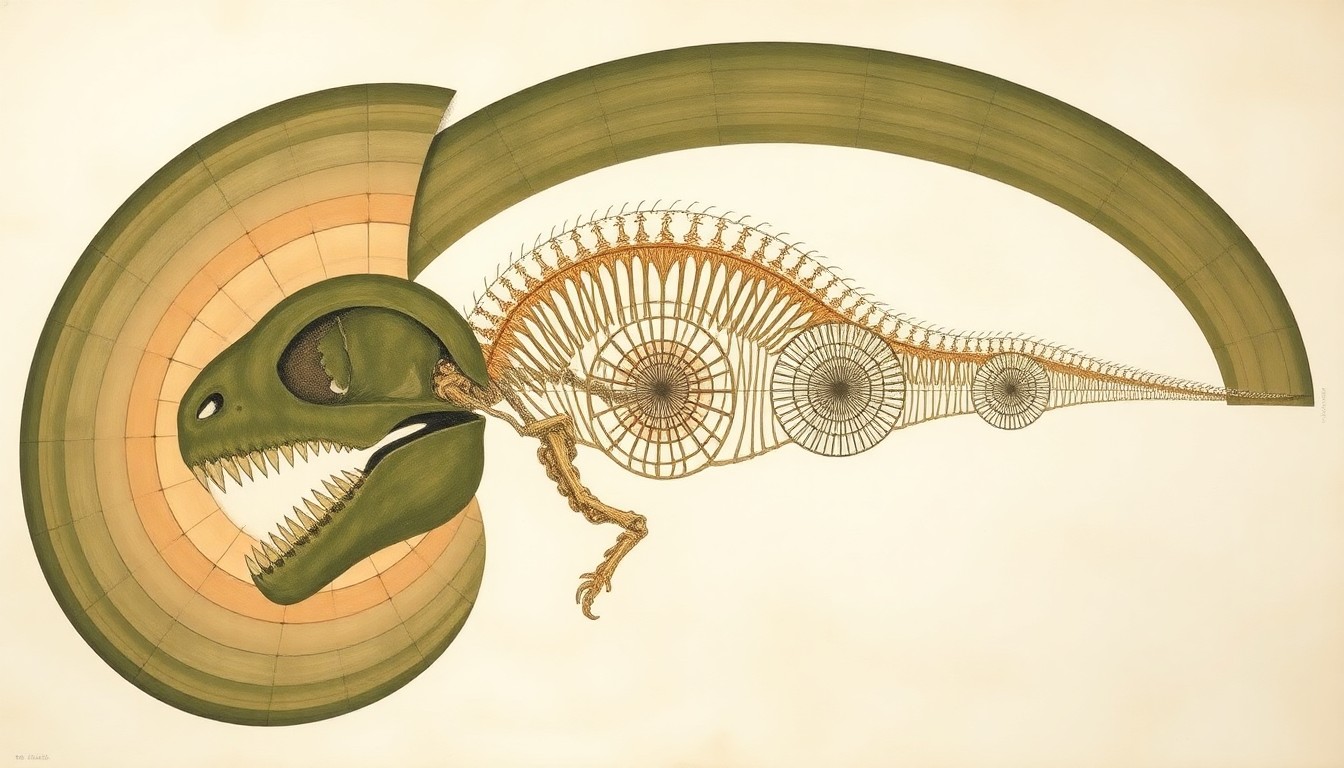 An abstract rendering of the specialized dental and skeletal features that enabled the early herbivorous land creature Tyrannoroter heberti to thrive on a plant-based diet millions of years ago.Today in Pittsburgh
Paleontologists have unveiled the remarkable discovery of Tyrannoroter heberti, a 307-million-year-old herbivorous land creature that provides new insights into the early evolution of plant-based diets among tetrapods.
Why it matters
The evolution of herbivory is a complex and fascinating story, and this finding revises the timeline of when various herbivorous forms first arose after the transition to land. It highlights the rapid experimentation with plant-based diets among early tetrapods.
The details
CT scans of Tyrannoroter's skull revealed a mouth packed with an additional set of teeth, designed specifically for crushing and grinding plant matter. This discovery has led paleontologists to re-examine other specimens, finding similar features in pantylids dating back to 318 million years ago.
- Tyrannoroter heberti lived approximately 307 million years ago.
- The study was published in April 2026 in the journal Systematic Palaeontology.
The players
Tyrannoroter heberti
An early herbivorous land creature that lived approximately 307 million years ago, with specialized teeth for crushing and grinding plant matter.
The takeaway
The discovery of Tyrannoroter heberti challenges assumptions about the early evolution of herbivory, showing that plant-based diets emerged rapidly among tetrapods after they transitioned to land. This finding provides a fascinating new perspective on the diversification of life in Earth's ancient ecosystems.
Pittsburgh top stories



Pittsburgh events

Apr. 11, 2026
Pittsburgh Penguins vs. Washington Capitals
Apr. 11, 2026
Club Cafe Presents: In Color
Apr. 11, 2026
Penn State Women's Soccer vs. West Virginia