- Today
- Holidays
- Birthdays
- Reminders
- Cities
- Atlanta
- Austin
- Baltimore
- Berwyn
- Beverly Hills
- Birmingham
- Boston
- Brooklyn
- Buffalo
- Charlotte
- Chicago
- Cincinnati
- Cleveland
- Columbus
- Dallas
- Denver
- Detroit
- Fort Worth
- Houston
- Indianapolis
- Knoxville
- Las Vegas
- Los Angeles
- Louisville
- Madison
- Memphis
- Miami
- Milwaukee
- Minneapolis
- Nashville
- New Orleans
- New York
- Omaha
- Orlando
- Philadelphia
- Phoenix
- Pittsburgh
- Portland
- Raleigh
- Richmond
- Rutherford
- Sacramento
- Salt Lake City
- San Antonio
- San Diego
- San Francisco
- San Jose
- Seattle
- Tampa
- Tucson
- Washington
Mental Health & Chronic Illnesses Linked to Higher Hip Surgery Reoperation Rates
Groundbreaking Danish study reveals surprising connection between overall health and recovery outcomes after hip fractures
Apr. 11, 2026 at 2:37am
Got story updates? Submit your updates here. ›
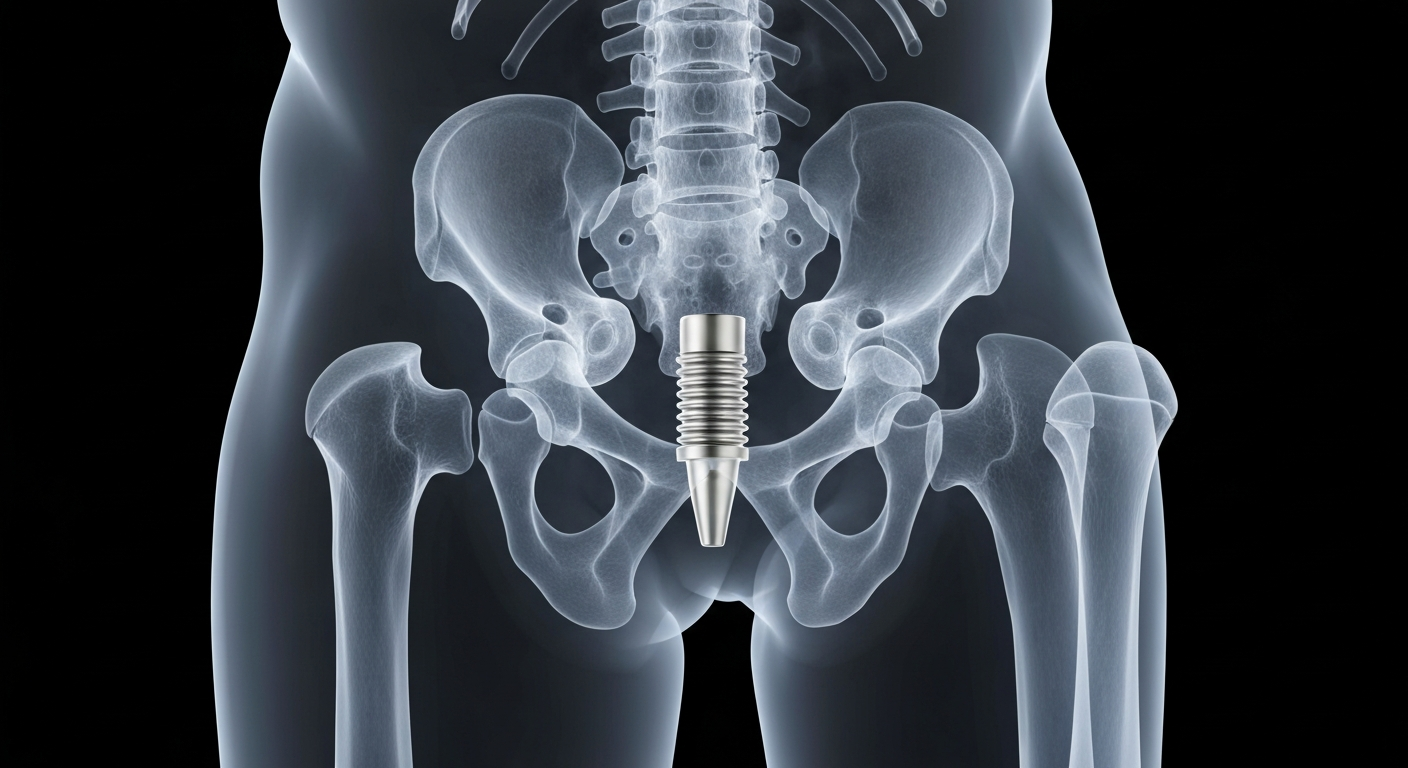 An X-ray view of a hip implant reveals the complex interplay between physical and mental health in recovery from major orthopedic procedures.Today in Pittsburgh
A comprehensive research project in Denmark involving over 110,000 patients has uncovered a crucial link between physical, mental, and overall health challenges and the likelihood of needing a second surgery after an initial hip fracture repair. The study suggests that factors like diabetes, depression, and other chronic conditions can significantly impact recovery, potentially leading to complications, infections, or implant failures that require additional procedures.
Why it matters
This study challenges the traditional medical view that prioritizes physical repairs over emotional support, suggesting that a more holistic approach to patient care could lead to better outcomes. It raises questions about whether mental health screenings and coverage should be integrated into pre- and post-operative plans, sparking debates on the interplay between bodily and psychological well-being.
The details
The researchers examined data from over 110,000 hip fracture patients in Denmark, exploring how various "somatic" (physical) disorders and "mental health" conditions might individually or collectively affect the need for reoperation. Factors like slower wound healing from diabetes or poor adherence to physical therapy due to depression were found to increase the risk of complications requiring additional surgery.
- The comprehensive research project was carried out in Denmark in 2026.
The players
Denmark
The country where the groundbreaking study on the connection between health and hip surgery outcomes was conducted.
What’s next
The findings from this study could lead to discussions about integrating mental health screenings and coverage into standard pre- and post-operative care plans for hip fracture patients, in an effort to improve overall recovery and reduce the need for repeat surgeries.
The takeaway
This research highlights the importance of taking a holistic approach to patient care, recognizing the profound impact that both physical and mental health challenges can have on surgical outcomes. It suggests that addressing the whole person, not just the immediate physical injury, may be key to optimizing recovery and reducing complications after major procedures like hip fracture repairs.
Pittsburgh top stories



Pittsburgh events

Apr. 11, 2026
Pittsburgh Penguins vs. Washington Capitals
Apr. 11, 2026
Club Cafe Presents: In Color
Apr. 11, 2026
Penn State Women's Soccer vs. West Virginia