- Today
- Holidays
- Birthdays
- Reminders
- Cities
- Atlanta
- Austin
- Baltimore
- Berwyn
- Beverly Hills
- Birmingham
- Boston
- Brooklyn
- Buffalo
- Charlotte
- Chicago
- Cincinnati
- Cleveland
- Columbus
- Dallas
- Denver
- Detroit
- Fort Worth
- Houston
- Indianapolis
- Knoxville
- Las Vegas
- Los Angeles
- Louisville
- Madison
- Memphis
- Miami
- Milwaukee
- Minneapolis
- Nashville
- New Orleans
- New York
- Omaha
- Orlando
- Philadelphia
- Phoenix
- Pittsburgh
- Portland
- Raleigh
- Richmond
- Rutherford
- Sacramento
- Salt Lake City
- San Antonio
- San Diego
- San Francisco
- San Jose
- Seattle
- Tampa
- Tucson
- Washington
South Australia Greenlights Bigger Trucks for Greener Roads
Controversial reform aims to boost freight efficiency, but raises concerns over infrastructure strain and safety
Apr. 10, 2026 at 6:34am
Got story updates? Submit your updates here. ›
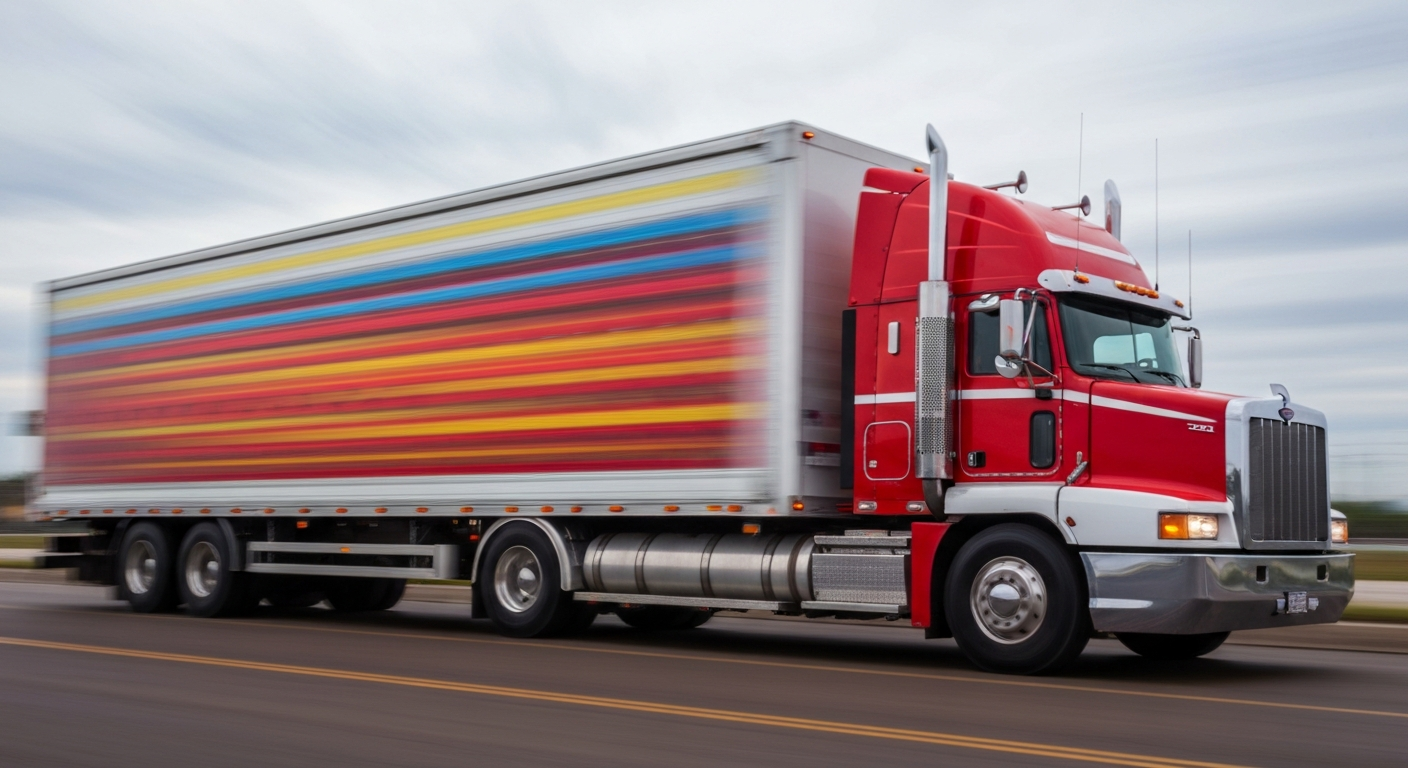 The controversial move to allow heavier trucks on South Australian roads raises concerns about the balance between freight efficiency and public safety.Today in Pittsburgh
South Australia has enacted emergency reforms to allow heavier trucks on more roads, sparking a debate over the complex tradeoffs between economic productivity, environmental impact, and public safety. While the move promises fuel savings through more efficient cargo transport, it also raises questions about the ability of existing infrastructure to handle the increased wear and tear, as well as the potential risks posed by larger vehicles sharing the roads.
Why it matters
This reform highlights the delicate balance transportation planners must strike between progress and sustainability. Boosting freight productivity is crucial for South Australia's economy, but it must be weighed against the costs of accelerated road deterioration and heightened safety concerns for other drivers. The outcome of this experiment could set precedents for how freight logistics evolve across the country.
The details
The reforms will permit trucks weighing up to 70 tons, up from the previous 62.5-ton limit, to travel on more roads throughout the state. Proponents argue this will reduce the number of trips needed to move the same amount of cargo, potentially cutting fuel consumption and emissions. However, critics warn the heavier vehicles could rapidly degrade road surfaces, leading to expensive repairs that may negate any environmental gains. There are also worries about the psychological impact on other motorists sharing the roads with these much larger trucks.
- The reforms were enacted in April 2026 under emergency powers.
- Officials will closely monitor the impacts over the next 12-18 months to determine if the changes should be made permanent.
The players
South Australian Government
The state government that implemented the emergency reforms to allow heavier trucks on more roads.
Logistics Industry
The freight and transportation sector that stands to benefit from increased truck weight limits, but also faces scrutiny over safety and environmental concerns.
Road Users
Motorists, cyclists, and pedestrians who will have to share the roads with the larger trucks, raising fears about safety and congestion.
Environmental Advocates
Groups concerned about the potential environmental impact of the reforms, including increased emissions and accelerated road deterioration.
Infrastructure Experts
Engineers and transportation planners who will assess the ability of existing roads to handle the increased weight and wear and tear from the heavier trucks.
What they’re saying
“While the fuel efficiency argument holds water, we can't ignore the elephant in the room: safety. Bigger trucks mean longer stopping distances, potentially increased blind spots, and a greater risk of severe accidents.”
— Rubie Ullrich, Author
“This reform, while specific to South Australia, hints at a broader trend. As populations grow and global trade intensifies, the pressure on transportation networks will only increase. What this really suggests is that we need to rethink our entire approach to freight movement.”
— Rubie Ullrich, Author
What’s next
Officials will closely monitor the impacts of the reforms over the next 12-18 months to determine if the changes should be made permanent. This will involve gathering data on fuel savings, road wear, and accident rates to assess the overall costs and benefits.
The takeaway
This debate over heavier trucks in South Australia exposes the complex tradeoffs between economic productivity, environmental sustainability, and public safety that transportation planners must navigate. The outcome of this experiment could serve as a model for how freight logistics evolve across the country, highlighting the need for innovative, holistic solutions that prioritize efficiency, infrastructure resilience, and the safety of all road users.
Pittsburgh top stories



Pittsburgh events

Apr. 10, 2026
Pittsburgh Symphony Orchestra - The Rite of Spring
Apr. 10, 2026
Primary Trust
Apr. 10, 2026
49 Winchester w/ The Jack Wharff Band