- Today
- Holidays
- Birthdays
- Reminders
- Cities
- Atlanta
- Austin
- Baltimore
- Berwyn
- Beverly Hills
- Birmingham
- Boston
- Brooklyn
- Buffalo
- Charlotte
- Chicago
- Cincinnati
- Cleveland
- Columbus
- Dallas
- Denver
- Detroit
- Fort Worth
- Houston
- Indianapolis
- Knoxville
- Las Vegas
- Los Angeles
- Louisville
- Madison
- Memphis
- Miami
- Milwaukee
- Minneapolis
- Nashville
- New Orleans
- New York
- Omaha
- Orlando
- Philadelphia
- Phoenix
- Pittsburgh
- Portland
- Raleigh
- Richmond
- Rutherford
- Sacramento
- Salt Lake City
- San Antonio
- San Diego
- San Francisco
- San Jose
- Seattle
- Tampa
- Tucson
- Washington
Myanmar Junta Chief Min Aung Hlaing Elected President
What It Means for the Country
Apr. 10, 2026 at 2:44am
Got story updates? Submit your updates here. ›
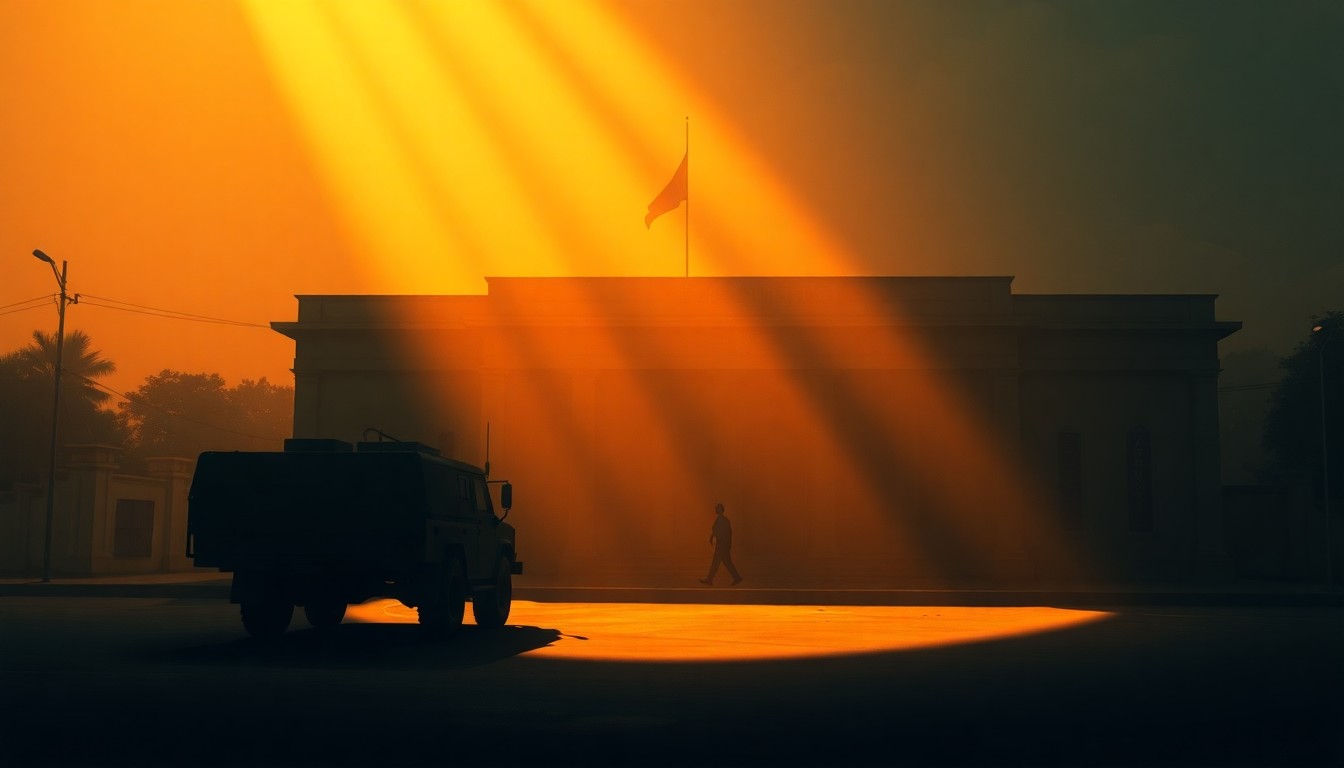 The election of Myanmar's junta chief as president casts a long shadow over the country's fragile democratic aspirations.Today in Pittsburgh
The recent election of Myanmar's junta chief, Min Aung Hlaing, as president marks a significant and deeply troubling development in the country's tumultuous political landscape. This move, while seemingly democratic on the surface, is a strategic maneuver to solidify the military's control and international legitimacy.
Why it matters
The election process, labeled as a sham by Western governments, highlights the complex interplay between power, politics, and perception in Myanmar. Min Aung Hlaing's ascent to the presidency is a culmination of his long-standing ambition to transition from his role as commander-in-chief to the position of president, reflecting a broader strategy to centralize power and maintain the military's influence over the country's governance.
The details
The civil war that has plagued Myanmar for years continues to rage, with resistance groups forming a new combined front to challenge the military. This move could intensify military pressure on the opposition and increase scrutiny from neighboring countries, which may seek to strengthen ties with Min Aung Hlaing's administration. The economic and political challenges, including global oil and fuel shortages, further complicate the opposition's efforts to build unity and sustain cooperation.
- Min Aung Hlaing was elected president in April 2026.
The players
Min Aung Hlaing
Myanmar's junta chief who was elected president in 2026.
Ye Win Oo
Min Aung Hlaing's loyal successor, who was appointed to lead Myanmar's armed forces.
What’s next
The international community's response to this power shift will be crucial in determining the future trajectory of Myanmar's political landscape.
The takeaway
The election of Min Aung Hlaing as president raises deeper questions about the nature of power and the challenges of transitioning from a military dictatorship to a civilian-led government. The international community must carefully consider its response to this power shift, ensuring that it supports the people of Myanmar in their pursuit of a peaceful and democratic future.
Pittsburgh top stories



Pittsburgh events

Apr. 11, 2026
Pittsburgh Penguins vs. Washington Capitals
Apr. 11, 2026
Club Cafe Presents: In Color
Apr. 11, 2026
Penn State Women's Soccer vs. West Virginia