- Today
- Holidays
- Birthdays
- Reminders
- Cities
- Atlanta
- Austin
- Baltimore
- Berwyn
- Beverly Hills
- Birmingham
- Boston
- Brooklyn
- Buffalo
- Charlotte
- Chicago
- Cincinnati
- Cleveland
- Columbus
- Dallas
- Denver
- Detroit
- Fort Worth
- Houston
- Indianapolis
- Knoxville
- Las Vegas
- Los Angeles
- Louisville
- Madison
- Memphis
- Miami
- Milwaukee
- Minneapolis
- Nashville
- New Orleans
- New York
- Omaha
- Orlando
- Philadelphia
- Phoenix
- Pittsburgh
- Portland
- Raleigh
- Richmond
- Rutherford
- Sacramento
- Salt Lake City
- San Antonio
- San Diego
- San Francisco
- San Jose
- Seattle
- Tampa
- Tucson
- Washington
Meditation Retreats Offer More Than Just Relaxation
New research shows intensive mindfulness training can lead to measurable brain and body changes, even if the experience feels challenging.
Apr. 7, 2026 at 4:20pm
Got story updates? Submit your updates here. ›
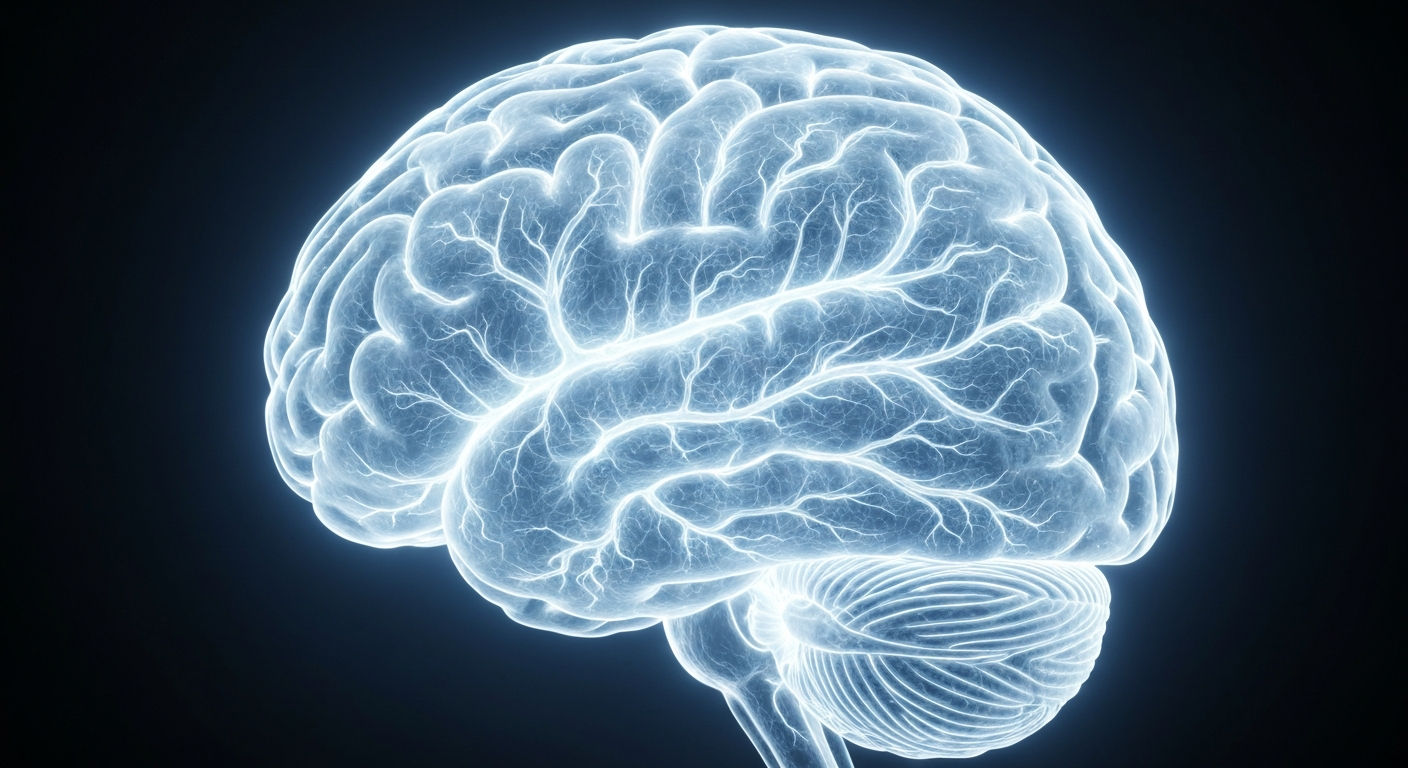 Intensive meditation retreats may reshape the brain's neural networks in ways that improve long-term health and well-being.Today in Pittsburgh
A study at Carnegie Mellon University found that unemployed adults who attended a 3-day mindfulness meditation retreat showed changes in brain networks involved in self-regulation and reduced inflammation, compared to a control group that did a relaxation program. The researchers explain that while meditation retreats are often seen as a way to relax, the difficulty and mental demands of the experience may actually be key to the long-term benefits.
Why it matters
As more people turn to meditation apps for quick, convenient practices, this research highlights the unique value of intensive meditation retreats. While apps can be an accessible entry point, retreats offer a rare opportunity in modern life to unplug and deeply engage with inner experience, which may be crucial for developing long-term mindfulness skills.
The details
The study split participants into two groups - one did a 3-day mindfulness meditation retreat, while the other did a matched relaxation program. Both groups reported similar levels of satisfaction and perceived benefit, but only the mindfulness group showed changes in brain networks and reduced inflammation months later. The researchers note that meditation is often mentally demanding work, not just relaxation, and the difficulty of retreats may be what allows them to produce meaningful changes.
- The study took place over a long weekend in the winter at a retreat center outside Pittsburgh.
- Participants were followed for months after the 3-day retreat.
The players
David Creswell
A researcher at the Health and Human Performance Laboratory at Carnegie Mellon University who co-authored the study.
Yuval Hadash
A researcher who collaborated with Creswell on the study.
Carnegie Mellon University
The university where the Health and Human Performance Laboratory that conducted the study is based.
What they’re saying
“Many people assume meditation is primarily about calming down, a way to escape stress. In reality, meditation is often mentally demanding work—more like taking your mind to the gym than relaxing.”
— David Creswell, Researcher
“If meditation retreats feel difficult, that may not be a flaw. It may be the very feature that allows them to change how we meet stress.”
— David Creswell, Researcher
What’s next
The researchers plan to continue studying the long-term impacts of meditation retreats compared to other mindfulness interventions, to better understand the unique benefits of this intensive practice.
The takeaway
While meditation apps provide an accessible entry point, this research suggests that the challenge and difficulty of meditation retreats may be a key part of what allows them to produce meaningful changes in the brain, body, and how people relate to stress. For those looking to deepen their mindfulness practice, retreats offer a valuable opportunity to unplug and engage more fully with inner experience.
Pittsburgh top stories



Pittsburgh events

Apr. 7, 2026
Pittsburgh Pirates vs. San Diego Padres
Apr. 7, 2026
Primary Trust
Apr. 8, 2026
Cece Winans