- Today
- Holidays
- Birthdays
- Reminders
- Cities
- Atlanta
- Austin
- Baltimore
- Berwyn
- Beverly Hills
- Birmingham
- Boston
- Brooklyn
- Buffalo
- Charlotte
- Chicago
- Cincinnati
- Cleveland
- Columbus
- Dallas
- Denver
- Detroit
- Fort Worth
- Houston
- Indianapolis
- Knoxville
- Las Vegas
- Los Angeles
- Louisville
- Madison
- Memphis
- Miami
- Milwaukee
- Minneapolis
- Nashville
- New Orleans
- New York
- Omaha
- Orlando
- Philadelphia
- Phoenix
- Pittsburgh
- Portland
- Raleigh
- Richmond
- Rutherford
- Sacramento
- Salt Lake City
- San Antonio
- San Diego
- San Francisco
- San Jose
- Seattle
- Tampa
- Tucson
- Washington
Radioactive Incident in Brazil Sparks Gripping Netflix Thriller
The new five-episode miniseries 'Radioactive Emergency' dramatizes a real-life radiological disaster that unfolded in Goiânia in 1987.
Mar. 31, 2026 at 12:52am
Got story updates? Submit your updates here. ›
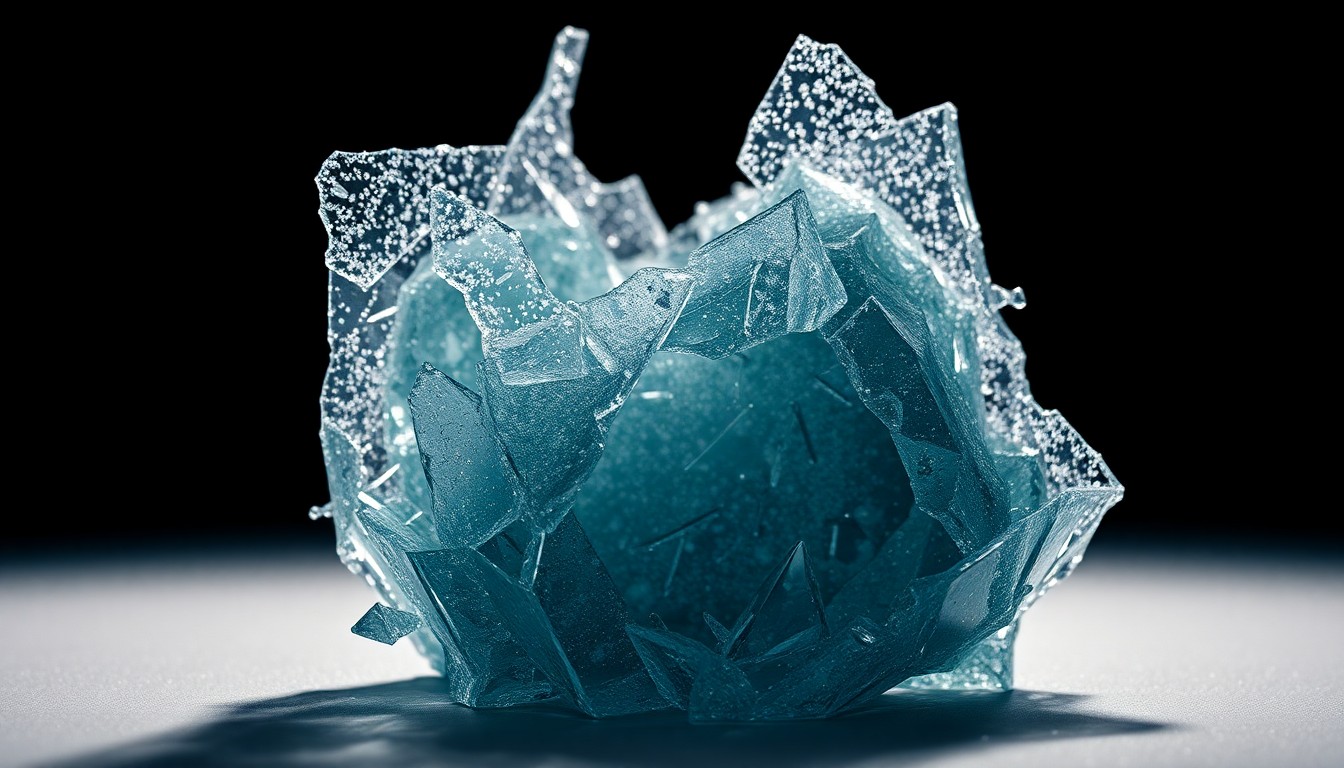 The shattered remnants of a radiotherapy machine serve as a haunting metaphor for the fragility of human life in the face of an invisible radiological threat.Today in Pittsburgh
In 1987, a radiological incident in the Brazilian city of Goiânia exposed hundreds of residents to dangerous levels of radiation after two men stole an abandoned radiotherapy machine and unknowingly released the highly radioactive Cesium-137 substance. Netflix's new five-part miniseries 'Radioactive Emergency' dramatizes this real-life disaster, following the efforts of nuclear physicist Márcio and a team of experts as they race to diagnose the victims, contain the exposure, and grapple with a public response marked by confusion and resistance.
Why it matters
The Goiânia incident was Brazil's biggest radiological disaster, exposing flaws in the country's emergency response capabilities and highlighting the public's lack of understanding around the dangers of radiation exposure. The new Netflix series sheds light on this lesser-known crisis, drawing parallels to the Chernobyl disaster while offering a unique perspective on how a community can unravel in the face of an invisible threat.
The details
In September 1987, two men broke into an abandoned hospital and stole a radiotherapy machine, unaware that it contained highly radioactive Cesium-137. They sold the machine's components as scrap metal, leading the radioactive substance to be widely distributed around Goiânia. It took 16 days before the authorities were alerted to the issue when Evenildo's wife, Antonia, turned in the glowing 'magical' substance. Nuclear physicist Márcio then worked with local doctors to diagnose the growing number of victims suffering from acute radiation sickness, while grappling with a public response marked by confusion, denial, and even aggression as residents struggled to comprehend the invisible danger.
- On September 13, 1987, the Cesium-137 substance was first discovered and distributed around Goiânia.
- Approximately 16 days later, on September 29, 1987, Antonia reported the radioactive material to authorities.
The players
Márcio
A nuclear physicist who leads the effort to diagnose and treat the victims of the Goiânia radiological incident.
Evenildo
The junkyard owner who unknowingly distributed the stolen Cesium-137 substance around Goiânia after purchasing it as scrap metal.
Antonia
Evenildo's wife, who eventually turned in the radioactive material to authorities after realizing the danger it posed.
Dr. Orenstein
An expert who assists Márcio in assessing the extent of the radiation exposure and coordinating the medical response.
Dr. Paula Matos
A doctor who collaborates with Márcio and Dr. Orenstein to treat the growing number of radiation sickness victims.
What they’re saying
“We must act quickly to contain this crisis and ensure the safety of the Goiânia community.”
— Márcio, Nuclear Physicist
“I had no idea that scrap metal could be so dangerous. We were just trying to make some extra money.”
— Evenildo, Junkyard Owner
What’s next
The series is expected to continue generating buzz as more viewers discover the gripping true story behind the Goiânia radiological disaster. Netflix may also explore the possibility of a second season to further dramatize the long-term impacts and aftermath of the incident.
The takeaway
Radioactive Emergency offers a compelling dramatization of a lesser-known radiological crisis, highlighting the public's lack of understanding around radiation exposure and the challenges faced by experts tasked with containing an invisible threat. The series serves as a cautionary tale about the dangers of improper handling of radioactive materials, while also underscoring the importance of robust emergency response capabilities and public education efforts.