- Today
- Holidays
- Birthdays
- Reminders
- Cities
- Atlanta
- Austin
- Baltimore
- Berwyn
- Beverly Hills
- Birmingham
- Boston
- Brooklyn
- Buffalo
- Charlotte
- Chicago
- Cincinnati
- Cleveland
- Columbus
- Dallas
- Denver
- Detroit
- Fort Worth
- Houston
- Indianapolis
- Knoxville
- Las Vegas
- Los Angeles
- Louisville
- Madison
- Memphis
- Miami
- Milwaukee
- Minneapolis
- Nashville
- New Orleans
- New York
- Omaha
- Orlando
- Philadelphia
- Phoenix
- Pittsburgh
- Portland
- Raleigh
- Richmond
- Rutherford
- Sacramento
- Salt Lake City
- San Antonio
- San Diego
- San Francisco
- San Jose
- Seattle
- Tampa
- Tucson
- Washington
Trump's Executive Order Shakes Up College Sports
New federal rules on eligibility and funding could force major changes for athletes and universities.
Apr. 10, 2026 at 11:09am
Got story updates? Submit your updates here. ›
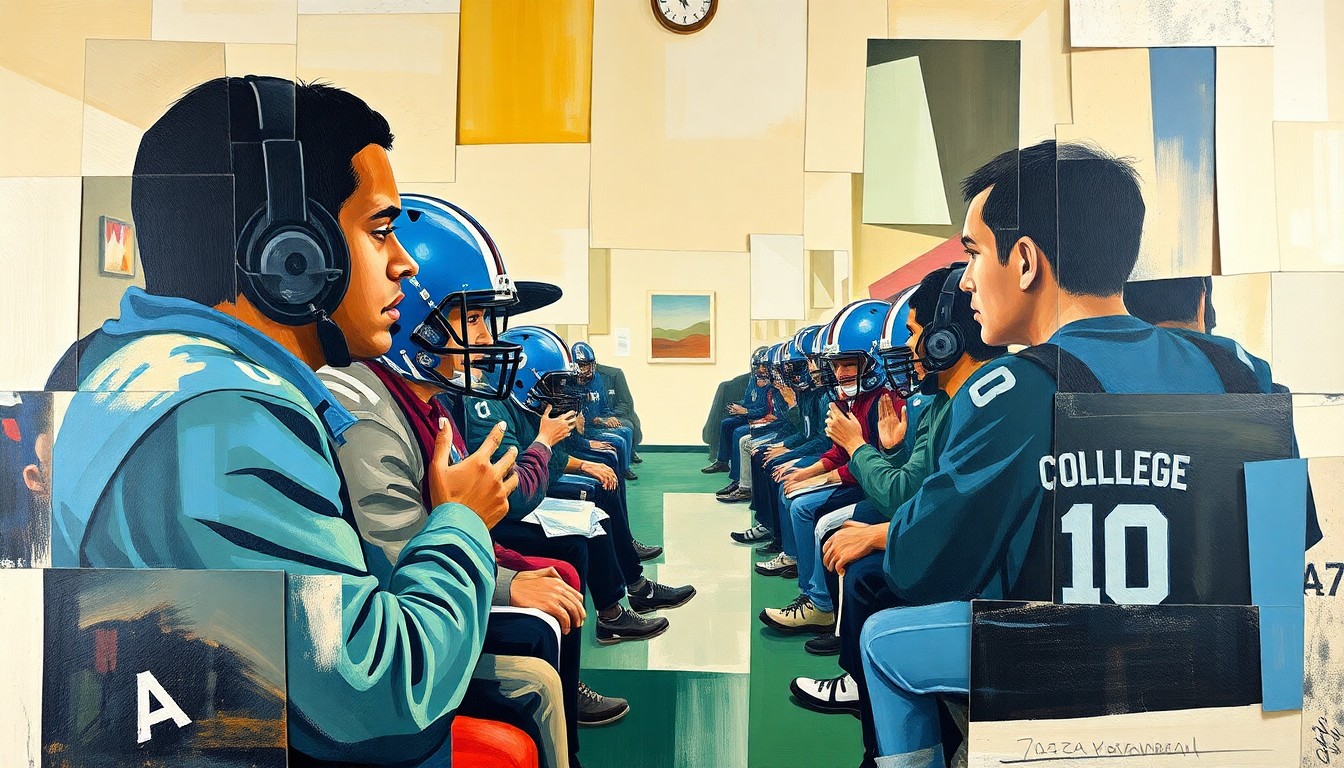
 Trump's executive order on college sports threatens to upend the delicate balance of power between athletes, universities, and the federal government.Penn State Erie Today
President Trump has issued a new executive order aimed at reforming college sports, threatening to cut federal funding for schools that don't comply with proposed eligibility and transfer rule changes. The order has put the NCAA in a difficult position, caught between federal directives and ongoing legal challenges over athlete rights and compensation.
Why it matters
Trump's order blends sports, education, and federal power in a way that could significantly reshape the billion-dollar college athletics industry. By using funding as leverage, the administration is asserting more control over an institution traditionally left to govern itself, raising concerns about the autonomy of both universities and student-athletes.
The details
The executive order includes stricter eligibility limits and transfer rules, which could roll back recent gains in athlete freedoms like the ability to profit off name, image and likeness. Trump frames this as a move to 'save' college sports, but critics argue it's more about asserting federal control than meaningful reform. The order also threatens to cut funding for non-compliant schools, putting financially-strapped programs in a difficult position.
- President Trump issued the executive order on April 5, 2026.
- Congress has been debating college sports reforms for over a year without resolution.
The players
President Donald Trump
The former U.S. president who issued the executive order aimed at reforming college sports.
NCAA
The governing body for college sports, now caught between federal directives and ongoing legal challenges over athlete rights.
Mit Winter
An attorney who has observed that Trump's order could lead to significant litigation between the federal government, universities, and the NCAA.
Penn State
A major university program that is already drowning in debt, making it particularly vulnerable to the threat of federal funding cuts.
Florida State University
Another high-profile university program that could be impacted by the threat of federal funding cuts for non-compliance.
What they’re saying
“This order feels less about stabilizing college sports and more about asserting federal control over an institution that's traditionally been left to its own devices.”
— custommapposter.com author
“This could lead to litigation as the NCAA navigates the tension between federal orders and court rulings.”
— Mit Winter, Attorney
What’s next
The judge overseeing the ongoing legal challenges between the NCAA, athletes, and universities will likely play a key role in determining how Trump's executive order is implemented, if at all.
The takeaway
Trump's executive order on college sports represents a broader power struggle over the future of a multi-billion dollar industry. While framed as reform, the order's focus on federal control over athlete freedoms and university funding raises concerns about the autonomy of both educational institutions and student-athletes.