- Today
- Holidays
- Birthdays
- Reminders
- Cities
- Atlanta
- Austin
- Baltimore
- Berwyn
- Beverly Hills
- Birmingham
- Boston
- Brooklyn
- Buffalo
- Charlotte
- Chicago
- Cincinnati
- Cleveland
- Columbus
- Dallas
- Denver
- Detroit
- Fort Worth
- Houston
- Indianapolis
- Knoxville
- Las Vegas
- Los Angeles
- Louisville
- Madison
- Memphis
- Miami
- Milwaukee
- Minneapolis
- Nashville
- New Orleans
- New York
- Omaha
- Orlando
- Philadelphia
- Phoenix
- Pittsburgh
- Portland
- Raleigh
- Richmond
- Rutherford
- Sacramento
- Salt Lake City
- San Antonio
- San Diego
- San Francisco
- San Jose
- Seattle
- Tampa
- Tucson
- Washington
Trump Issues Executive Order on College Sports
Order targets eligibility rules, transfers, and costs, sparking debate over reform vs. power play
Apr. 10, 2026 at 8:28am
Got story updates? Submit your updates here. ›
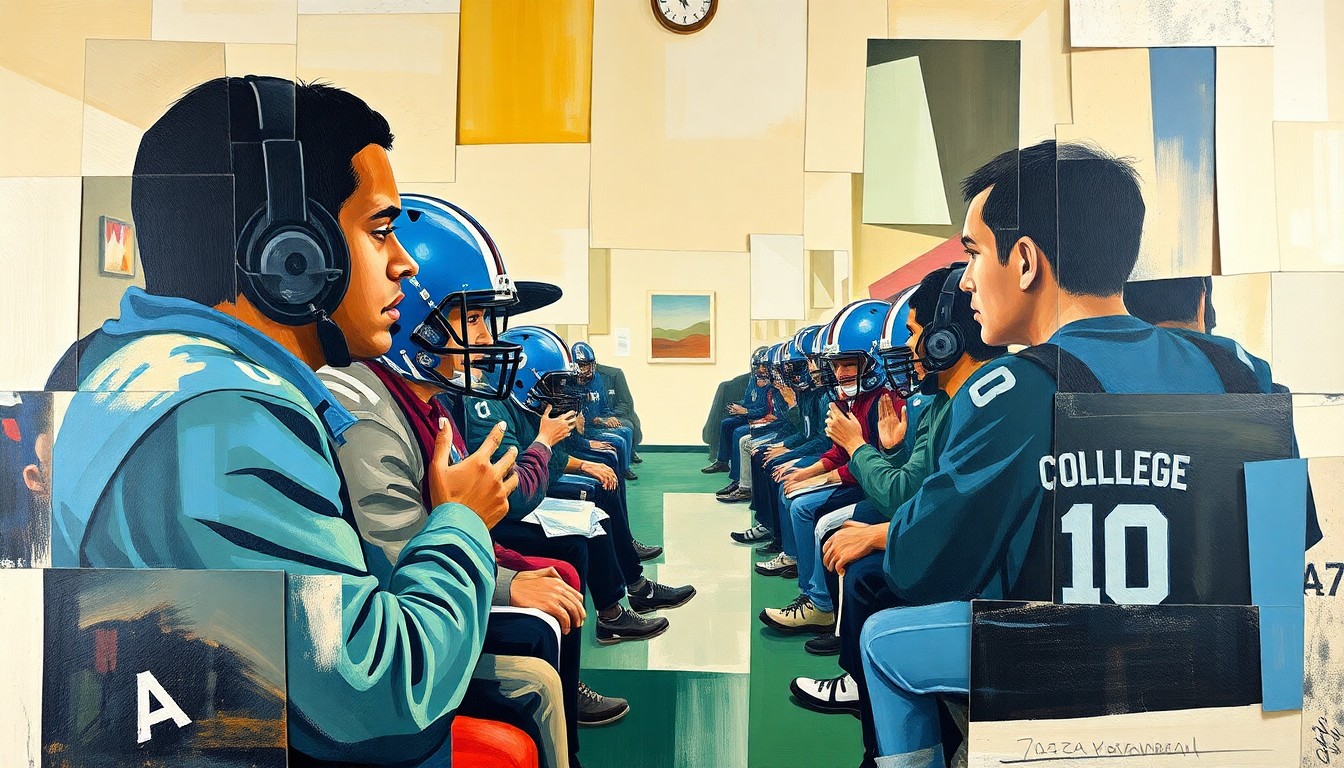
 President Trump's executive order on college sports aims to reshape the complex landscape of student-athlete eligibility, transfers, and costs, but its impact remains uncertain.Penn State Erie Today
President Trump has issued an executive order aimed at addressing the complex landscape of college sports, including rules around athlete eligibility, transfers, and the escalating costs associated with college athletics. The order threatens to cut federal funding to non-compliant schools, raising questions about whether this is a genuine attempt at reform or a strategic power move by the President.
Why it matters
The executive order has sparked debate and raised questions, as it targets a web of stakeholders including the NCAA, conference commissioners, and educational institutions. The order's potential impact on athlete eligibility and transfer rights, as well as the threat to withhold federal funding from non-compliant schools, could significantly alter the dynamics of college sports and force universities to prioritize financial stability over athletic programs.
The details
Trump's executive order includes a list of proposed fixes that lawmakers and college leaders have been advocating for, such as a five-year participation window and limits on transfers. The order also directs the evaluation of universities' compliance with rules, with the possibility of losing federal funding. This could force institutions to make difficult choices between financial stability and maintaining their athletic programs.
- President Trump issued the executive order on April 10, 2026.
The players
President Trump
The 45th President of the United States, who issued the executive order on college sports.
Charlie Baker
The President of the NCAA, who acknowledges that Congressional involvement is necessary to bring about meaningful change in college sports.
Penn State
A major university that is already dealing with significant financial challenges, and could be impacted by the order's focus on compliance and funding.
Florida State
Another major university that is facing mounting debts, and could be forced to prioritize financial stability over athletic programs due to the order's implications.
What they’re saying
“Congressional involvement is necessary to bring about meaningful change.”
— Charlie Baker, NCAA President
What’s next
The order is likely to spark legal battles, as athletes and third parties challenge its provisions. The NCAA and schools will face a difficult decision: follow a federal court order or an executive order. This legal quagmire could further complicate the already complex world of college sports.
The takeaway
President Trump's executive order on college sports highlights the delicate balance between athletic excellence, financial sustainability, and the well-being of student-athletes. While the order aims to stabilize the industry, it also raises questions about the role of government intervention and the potential impact on athletes' rights. As the legal and political battles unfold, the future of college sports hangs in the balance, leaving stakeholders to find a sustainable model that benefits all involved.