- Today
- Holidays
- Birthdays
- Reminders
- Cities
- Atlanta
- Austin
- Baltimore
- Berwyn
- Beverly Hills
- Birmingham
- Boston
- Brooklyn
- Buffalo
- Charlotte
- Chicago
- Cincinnati
- Cleveland
- Columbus
- Dallas
- Denver
- Detroit
- Fort Worth
- Houston
- Indianapolis
- Knoxville
- Las Vegas
- Los Angeles
- Louisville
- Madison
- Memphis
- Miami
- Milwaukee
- Minneapolis
- Nashville
- New Orleans
- New York
- Omaha
- Orlando
- Philadelphia
- Phoenix
- Pittsburgh
- Portland
- Raleigh
- Richmond
- Rutherford
- Sacramento
- Salt Lake City
- San Antonio
- San Diego
- San Francisco
- San Jose
- Seattle
- Tampa
- Tucson
- Washington
Meadville Today
By the People, for the People
Channellock Celebrates 140 Years of Pennsylvania-Made Pliers
Family-owned tool manufacturer marks milestone with continued craftsmanship and innovation.
Mar. 30, 2026 at 8:50pm
Got story updates? Submit your updates here. ›
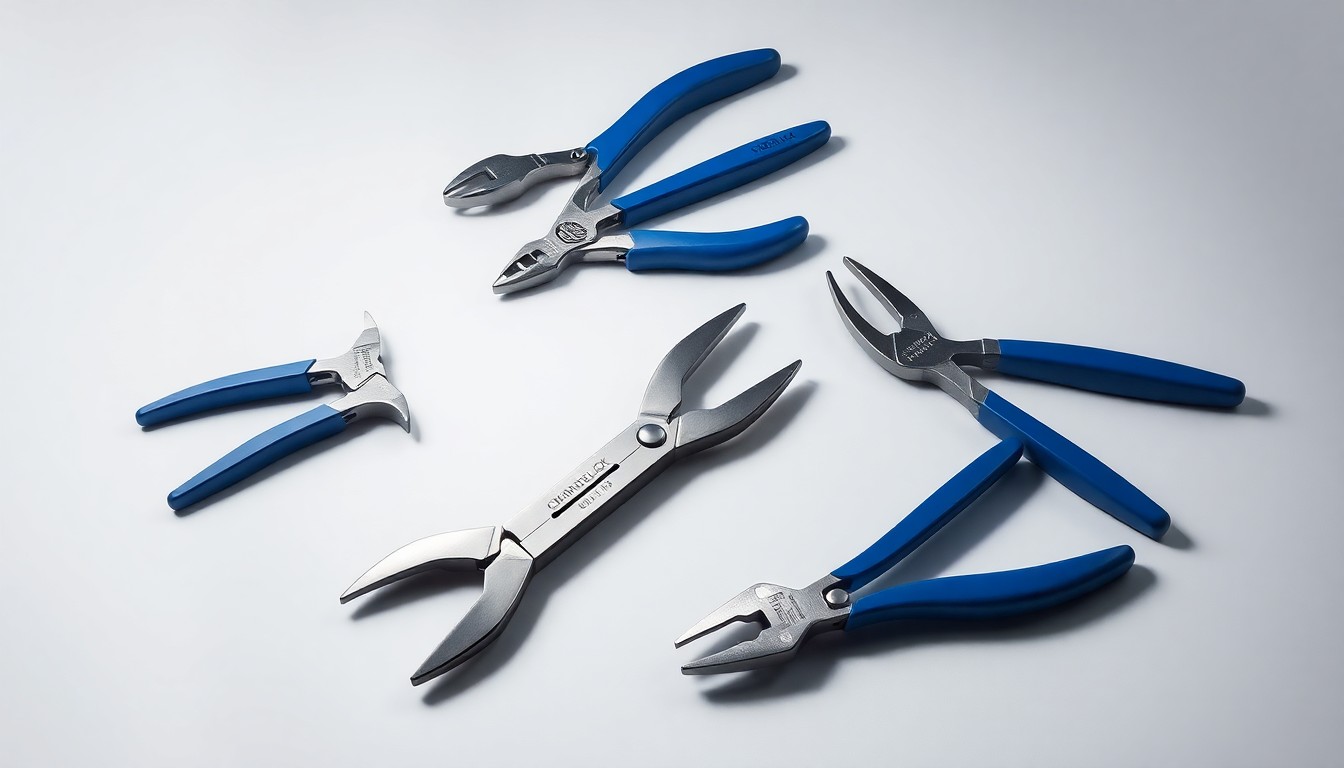 Channellock's legacy of quality craftsmanship is reflected in the precision and polish of its iconic blue-handled tools.Meadville Today
Channellock, a family-owned tool company based in Meadville, Pennsylvania, is celebrating 140 years of manufacturing its signature blue-handled pliers and other tools. Founded in 1886 by blacksmith George Birch de Arment, the company has remained in the family for five generations, evolving its production process while maintaining a focus on quality and craftsmanship.
Why it matters
As a legacy manufacturer in Pennsylvania, Channellock's longevity and commitment to its local roots represent the enduring value of family-owned businesses and skilled trades in the region. The company's ability to adapt to changing labor markets and incorporate automation while preserving its handcrafted ethos offers insights into the future of American manufacturing.
The details
Channellock's manufacturing process involves heating steel billets, forging the metal, heat-treating the tools' working surfaces, and polishing each piece to a shiny finish. While the company has incorporated automation to address labor shortages, 325 Pennsylvanians still work alongside the machines in the Meadville factory. Channellock now produces over 120 patterns of pliers and screwdrivers, shipping millions of tools annually across the U.S. and to 60 countries worldwide.
- Channellock was founded in 1886 by blacksmith George Birch de Arment.
- The company is celebrating its 140th anniversary in 2026.
The players
Channellock
A family-owned tool manufacturer based in Meadville, Pennsylvania, known for its signature blue-handled pliers and other tools.
George Birch de Arment
The blacksmith who founded Channellock in 1886 after becoming dissatisfied with the quality of tools available to him.
Ryan DeArment
The executive vice president of sales and marketing for Channellock, and the fifth generation of the family to work in the business.
What they’re saying
“The story goes, my great-grandfather, George Birch de Arment, was a blacksmith in what today is known as Connie Lake, Pennsylvania. So, he wasn't satisfied with the design and quality of the tools that were available to him, so... being a blacksmith, he, you know, would prototype tools out of wood, whittle samples, and then hand-forge his own designs.”
— Ryan DeArment, Executive Vice President of Sales and Marketing
“There's a lot of automation we've added to the process over the years. I mean, obviously, it's harder to get labor; that's one of our challenges today. People don't want to do the manual labor that they used to, so... we started automating, not because we wanted to get labor out of the process, but because we couldn't really replace the labor as fast as we needed.”
— Ryan DeArment, Executive Vice President of Sales and Marketing
“I think being part of Pennsylvania, I mean, that's one thing that we know is hard work, resilience, and doing things the right way versus the easy way. The quality and the innovation and making products that people really use around the globe. It's just... it feels good at the end of the day. And, you know, Meadville is famous for tool and machining.”
— Ryan DeArment, Executive Vice President of Sales and Marketing
What’s next
Channellock plans to continue its legacy of craftsmanship and innovation, exploring new product designs and technologies to meet the evolving needs of its global customer base.
The takeaway
Channellock's 140-year history as a family-owned manufacturer in Pennsylvania exemplifies the enduring value of skilled trades, hard work, and a commitment to quality in American industry. The company's ability to adapt to changing market conditions while preserving its handcrafted ethos offers a model for other legacy businesses seeking to thrive in the modern economy.