- Today
- Holidays
- Birthdays
- Reminders
- Cities
- Atlanta
- Austin
- Baltimore
- Berwyn
- Beverly Hills
- Birmingham
- Boston
- Brooklyn
- Buffalo
- Charlotte
- Chicago
- Cincinnati
- Cleveland
- Columbus
- Dallas
- Denver
- Detroit
- Fort Worth
- Houston
- Indianapolis
- Knoxville
- Las Vegas
- Los Angeles
- Louisville
- Madison
- Memphis
- Miami
- Milwaukee
- Minneapolis
- Nashville
- New Orleans
- New York
- Omaha
- Orlando
- Philadelphia
- Phoenix
- Pittsburgh
- Portland
- Raleigh
- Richmond
- Rutherford
- Sacramento
- Salt Lake City
- San Antonio
- San Diego
- San Francisco
- San Jose
- Seattle
- Tampa
- Tucson
- Washington
Johnstown Today
By the People, for the People
Eastern Orthodox Christians Observe Easter This Sunday
Faithful follow Julian calendar, celebrate resurrection a week later than Western Christians.
Apr. 11, 2026 at 10:35am
Got story updates? Submit your updates here. ›
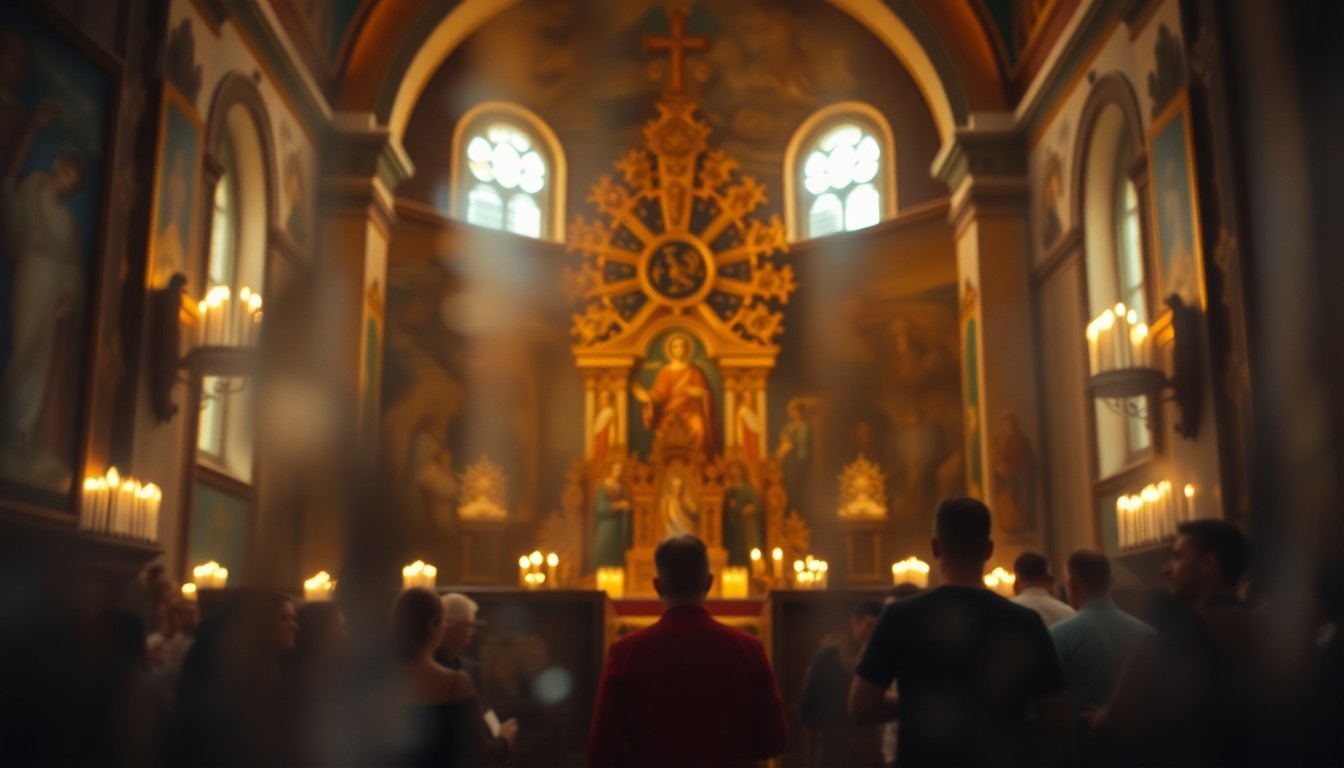 The ethereal glow of candlelight and rich religious imagery set the mood for Eastern Orthodox Christians' joyous celebration of Easter.Johnstown Today
While most Christian denominations celebrated Easter on April 5th, Eastern Orthodox Christians who follow the Julian calendar will observe the holiday this Sunday, April 13th. The faithful have been observing Holy Week, during which clergy and church members have been 'reliving the great mysteries of salvation' leading up to the celebration of Jesus' resurrection.
Why it matters
The Eastern Orthodox Church follows the older Julian calendar, which results in their Easter observance falling a week later than Western Christian denominations that use the Gregorian calendar. This difference in calendars reflects the historical schism between the Eastern and Western branches of Christianity.
The details
Eastern Orthodox Christians have been participating in Holy Week rituals and services to commemorate the final days of Jesus' life, leading up to the joyous celebration of his resurrection on Easter Sunday. The observances include special liturgies, fasting, and other traditions that differ somewhat from Western Christian Easter practices.
- Easter is celebrated on April 13, 2026 by Eastern Orthodox Christians.
- Holy Week observances leading up to Easter began on April 6, 2026.
The players
Eastern Orthodox Church
A Christian denomination that follows the older Julian calendar, resulting in their Easter observance falling a week later than Western Christian churches.
The takeaway
The divergent Easter observances between Eastern Orthodox and Western Christian churches highlight the historical and theological differences that have existed between the two major branches of Christianity for centuries.