- Today
- Holidays
- Birthdays
- Reminders
- Cities
- Atlanta
- Austin
- Baltimore
- Berwyn
- Beverly Hills
- Birmingham
- Boston
- Brooklyn
- Buffalo
- Charlotte
- Chicago
- Cincinnati
- Cleveland
- Columbus
- Dallas
- Denver
- Detroit
- Fort Worth
- Houston
- Indianapolis
- Knoxville
- Las Vegas
- Los Angeles
- Louisville
- Madison
- Memphis
- Miami
- Milwaukee
- Minneapolis
- Nashville
- New Orleans
- New York
- Omaha
- Orlando
- Philadelphia
- Phoenix
- Pittsburgh
- Portland
- Raleigh
- Richmond
- Rutherford
- Sacramento
- Salt Lake City
- San Antonio
- San Diego
- San Francisco
- San Jose
- Seattle
- Tampa
- Tucson
- Washington
Johnstown Today
By the People, for the People
Pennsylvania House Passes Bill to Raise Minimum Wage to $15 by 2029
The current $7.25 rate hasn't changed since 2009, leaving many workers struggling to make ends meet.
Apr. 3, 2026 at 4:19pm
Got story updates? Submit your updates here. ›
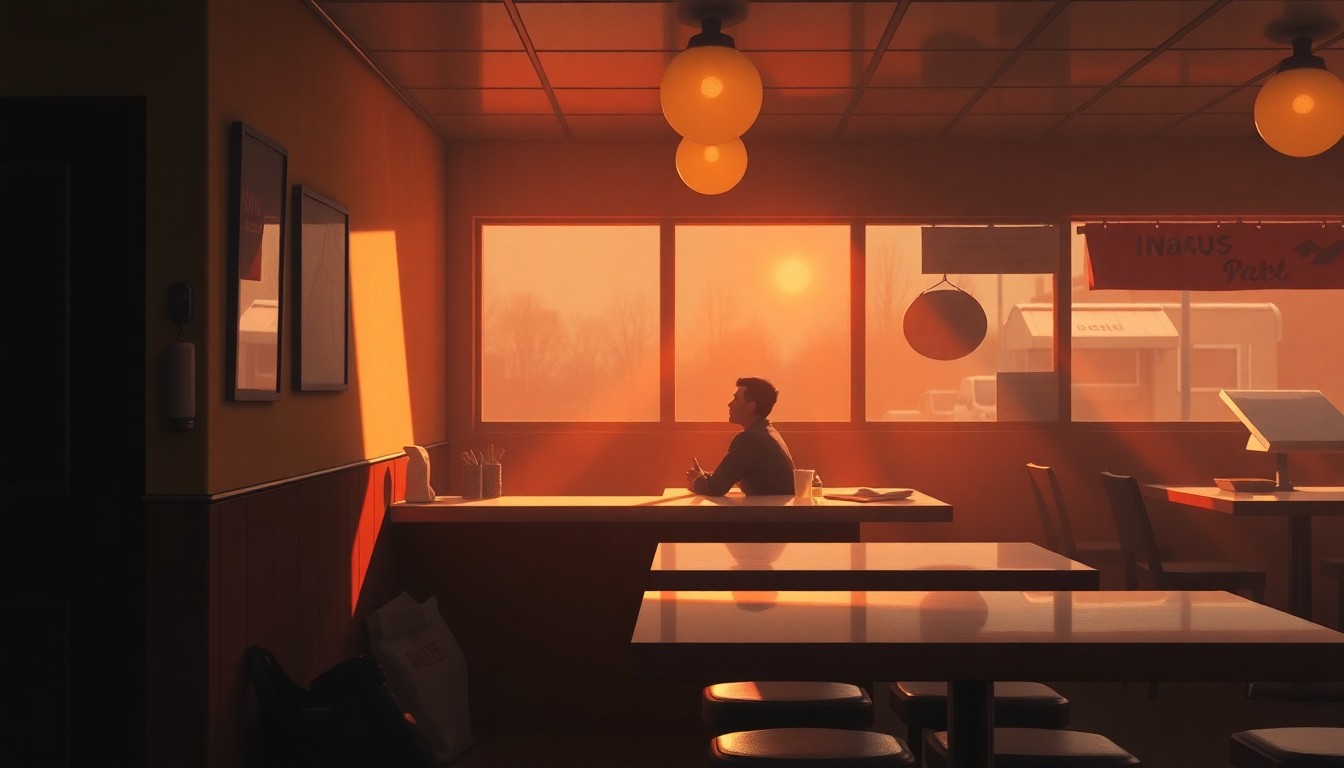 A minimum wage worker finds solace in a quiet moment at a local diner, as lawmakers debate raising the state's base pay.Johnstown Today
The Pennsylvania House of Representatives has passed a bill that would gradually increase the state's minimum wage from the current $7.25 per hour to $15 per hour by 2029. The bill, sponsored by Democratic Rep. Jason Dawkins, would raise the minimum wage to $11 in 2027, $13 in 2028, and $15 by 2029. The legislation now heads to the Republican-controlled state Senate.
Why it matters
Raising the minimum wage could lift thousands of Pennsylvania workers out of poverty and help them afford basic necessities like rent, food, and healthcare. However, some experts warn that the $15 rate may still not be a true 'living wage' in the state, and that lawmakers should consider further increases or policies to ensure workers don't lose access to public benefits.
The details
The current $7.25 minimum wage in Pennsylvania hasn't been changed since 2009, leaving the state far behind its neighbors. New York, New Jersey, Delaware, and Maryland all have minimum wages of $15 or higher. The new bill would gradually increase Pennsylvania's minimum wage, reaching $15 by 2029 and including cost-of-living adjustments after that. Supporters say the increase is long overdue and could improve the lives of over 500,000 low-wage workers in the state, while critics argue the $15 rate still may not be enough to afford basic needs.
- The Pennsylvania House passed the minimum wage bill on March 24, 2026.
- The minimum wage would increase to $11 in 2027, $13 in 2028, and $15 by 2029.
The players
Rep. Jason Dawkins
The Democratic state representative from Philadelphia who sponsored the minimum wage increase bill.
Gov. Josh Shapiro
The Democratic governor of Pennsylvania who has called for raising the state's minimum wage.
Brittany Seanor
A former Subway manager who struggled to retain employees due to the low minimum wage.
Felicity Williams
The executive director of the Pennsylvania Policy Center, who says the $15 minimum wage is still not a true 'livable wage' in the state.
Faylynn Kassander
A union leader in Johnstown who says a $15 minimum wage could be 'life-changing' for low-wage workers.
What they’re saying
“It's been my mission to provide a living wage for all working Pennsylvanians, and this bill passing the House is a huge step forward in that mission. If you work hard, you shouldn't have to worry about your next meal or having a roof over your head. Pennsylvania needs a minimum wage suitable for everyone, not just to survive, but to thrive in our state.”
— Rep. Jason Dawkins
“You shouldn't have to work two or three jobs just to put food on the table and a roof over your head. We need to raise the minimum wage so Pennsylvanians have a real shot at getting ahead. The House has answered the call and passed legislation to raise the minimum wage three separate times — now it's time for the Senate to follow their lead and get this done.”
— Gov. Josh Shapiro
“A raise like that could be life-changing for somebody, in positive way. Imagine that you're working a job, you're only making seven and a quarter, and you got to live in your car, and then all of a sudden you get a raise and now you're making 15-plus. That means you can save money and get an apartment maybe.”
— Faylynn Kassander, Union Leader
What’s next
The bill now heads to the Republican-controlled state Senate, where its fate is uncertain. Senate Republicans have not indicated whether they will support the minimum wage increase.
The takeaway
This legislation represents a significant step forward in addressing income inequality and poverty in Pennsylvania, but some experts warn that the proposed $15 minimum wage may still not be enough for workers to afford basic necessities. Lawmakers will need to carefully consider the broader economic impacts and ensure that any minimum wage increase is accompanied by policies to protect access to critical public benefits.
Johnstown top stories


Johnstown events
Apr. 4, 2026
Johnstown Tomahawks vs. Philadelphia Rebels
Apr. 9, 2026
Riverdance