- Today
- Holidays
- Birthdays
- Reminders
- Cities
- Atlanta
- Austin
- Baltimore
- Berwyn
- Beverly Hills
- Birmingham
- Boston
- Brooklyn
- Buffalo
- Charlotte
- Chicago
- Cincinnati
- Cleveland
- Columbus
- Dallas
- Denver
- Detroit
- Fort Worth
- Houston
- Indianapolis
- Knoxville
- Las Vegas
- Los Angeles
- Louisville
- Madison
- Memphis
- Miami
- Milwaukee
- Minneapolis
- Nashville
- New Orleans
- New York
- Omaha
- Orlando
- Philadelphia
- Phoenix
- Pittsburgh
- Portland
- Raleigh
- Richmond
- Rutherford
- Sacramento
- Salt Lake City
- San Antonio
- San Diego
- San Francisco
- San Jose
- Seattle
- Tampa
- Tucson
- Washington
Gettysburg Today
By the People, for the People
Lincoln Rejected Triumph After Gettysburg
President refused to celebrate victory amid heavy casualties and ongoing war.
Apr. 6, 2026 at 6:57pm
Got story updates? Submit your updates here. ›
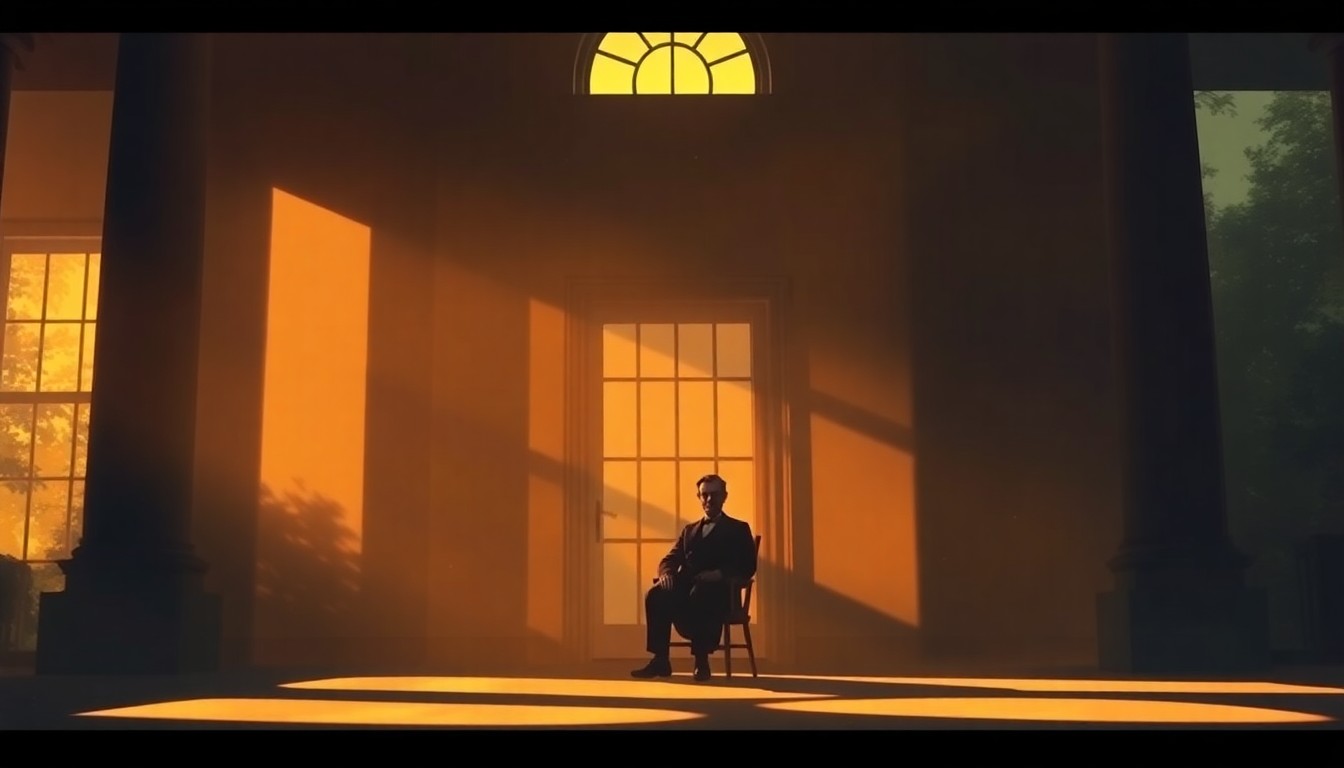 In the aftermath of the pivotal Battle of Gettysburg, President Lincoln refused to hold a public celebration, recognizing the immense human cost and the need to continue the broader war effort.Gettysburg Today
In the days after the Union's decisive victory at the Battle of Gettysburg in July 1863, President Abraham Lincoln declined to hold a public celebration, despite calls from loyal citizens to do so. Lincoln recognized the immense human toll of the battle and the need to continue the broader Civil War effort, rather than declare premature triumph.
Why it matters
Lincoln's restraint after Gettysburg reflected his sober understanding that the war was far from over, and that the nation needed to heal and prepare for further conflict. His decision not to celebrate the victory highlighted his leadership during one of the most pivotal moments in American history.
The details
In the aftermath of the Battle of Gettysburg, where the Union forces dealt a major blow to the Confederacy, many Americans called on Lincoln to hold a public celebration of the victory. However, Lincoln refused, recognizing that the war was still raging and that the nation had suffered tremendous losses. He did not want to prematurely declare triumph when the outcome of the broader conflict remained uncertain.
- The Battle of Gettysburg took place from July 1-3, 1863.
- In the days after July 4, 1863, citizens called on Lincoln to hold a public celebration of the Gettysburg victory.
The players
Abraham Lincoln
The 16th President of the United States, who led the country through the American Civil War.
What they’re saying
“We must celebrate this great victory and show the world that the Union stands strong.”
— Unnamed Citizen
The takeaway
Lincoln's decision not to celebrate the Gettysburg victory reflected his prudent leadership and understanding that the war was far from over. His restraint in the face of calls for triumph highlighted his commitment to guiding the nation through the immense challenges of the Civil War.