- Today
- Holidays
- Birthdays
- Reminders
- Cities
- Atlanta
- Austin
- Baltimore
- Berwyn
- Beverly Hills
- Birmingham
- Boston
- Brooklyn
- Buffalo
- Charlotte
- Chicago
- Cincinnati
- Cleveland
- Columbus
- Dallas
- Denver
- Detroit
- Fort Worth
- Houston
- Indianapolis
- Knoxville
- Las Vegas
- Los Angeles
- Louisville
- Madison
- Memphis
- Miami
- Milwaukee
- Minneapolis
- Nashville
- New Orleans
- New York
- Omaha
- Orlando
- Philadelphia
- Phoenix
- Pittsburgh
- Portland
- Raleigh
- Richmond
- Rutherford
- Sacramento
- Salt Lake City
- San Antonio
- San Diego
- San Francisco
- San Jose
- Seattle
- Tampa
- Tucson
- Washington
Bethlehem Today
By the People, for the People
How People Eat Their Peeps Marshmallow Treats
Peeps fans have strong preferences on where to take the first bite.
Mar. 28, 2026 at 6:36pm
Got story updates? Submit your updates here. ›
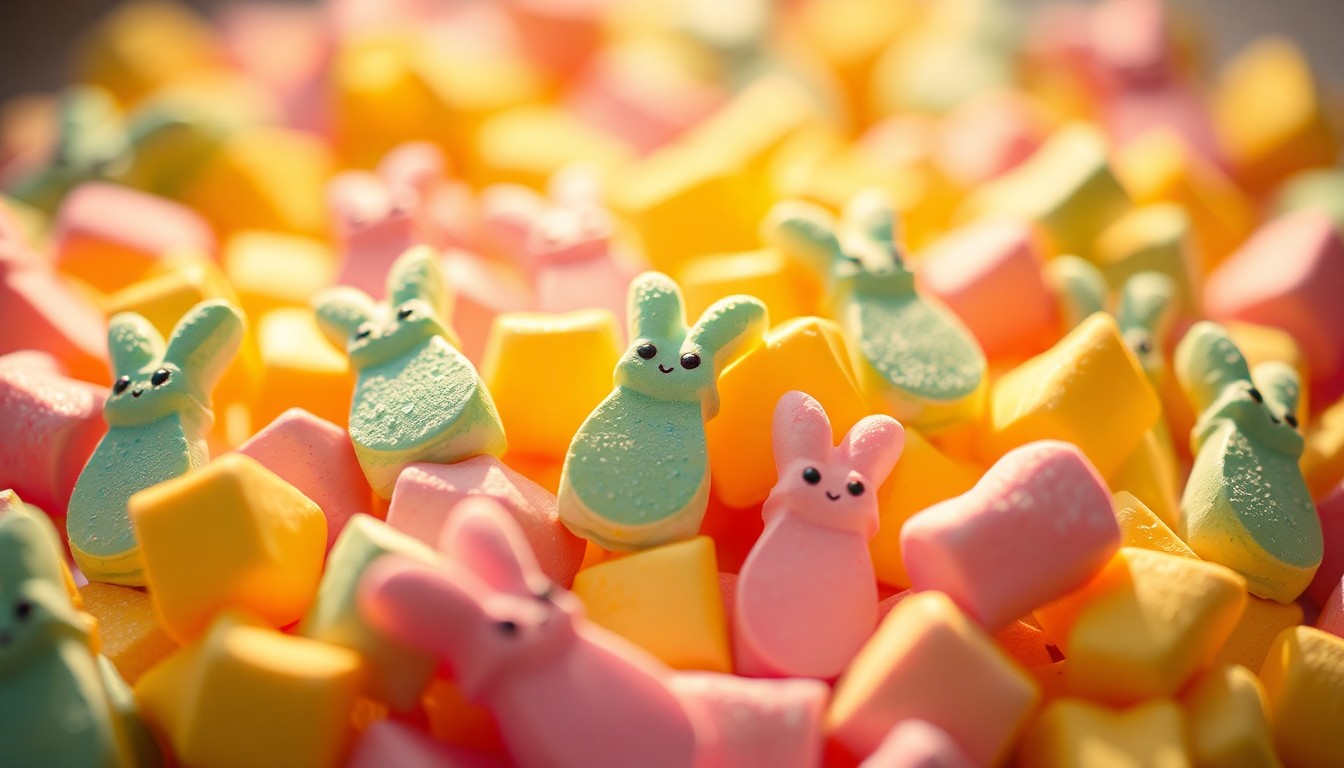 The divisive yet beloved Peeps marshmallow candies remain a cherished Easter tradition, with fans having strong preferences on how to enjoy the iconic treats.Bethlehem Today
A survey by Peeps maker Just Born found that the majority of Peeps fans, 67%, eat their marshmallow chicks head-first, while 13% start with the tail and 16% have no preference. The survey also revealed that 40% of respondents have been eating Peeps for over 40 years, and 32% for 20 years, showing the enduring popularity of the divisive Easter candy.
Why it matters
Peeps are a polarizing Easter treat, with some people loving them and others hating them. However, the survey results demonstrate that even among Peeps fans, there are strong preferences and traditions around how to eat the iconic marshmallow candies.
The details
The Just Born survey, conducted for Peeps' 60th anniversary in 2013, found that 97% of participants considered Peeps an Easter basket must-have. A majority said they eat between 1-2 Peeps at a time. When asked about their eating habits, 67% said they eat their Peeps head-first, 13% said they eat the tail first, and 16% said they have no preference and eat them in tiny bites.
- The Just Born survey was conducted in 2013 for Peeps' 60th anniversary.
- The Peeps manufacturing process was photographed at the Just Born factory in Bethlehem, Pennsylvania on April 10, 2025.
The players
Just Born
The company that manufactures Peeps marshmallow candies.
The takeaway
Even for a divisive candy like Peeps, there are strong traditions and preferences around how people choose to eat them, demonstrating the enduring popularity and cultural significance of this iconic Easter treat.