- Today
- Holidays
- Birthdays
- Reminders
- Cities
- Atlanta
- Austin
- Baltimore
- Berwyn
- Beverly Hills
- Birmingham
- Boston
- Brooklyn
- Buffalo
- Charlotte
- Chicago
- Cincinnati
- Cleveland
- Columbus
- Dallas
- Denver
- Detroit
- Fort Worth
- Houston
- Indianapolis
- Knoxville
- Las Vegas
- Los Angeles
- Louisville
- Madison
- Memphis
- Miami
- Milwaukee
- Minneapolis
- Nashville
- New Orleans
- New York
- Omaha
- Orlando
- Philadelphia
- Phoenix
- Pittsburgh
- Portland
- Raleigh
- Richmond
- Rutherford
- Sacramento
- Salt Lake City
- San Antonio
- San Diego
- San Francisco
- San Jose
- Seattle
- Tampa
- Tucson
- Washington
Williams Today
By the People, for the People
Remains of Billings Man Missing for 50 Years Identified in Oregon
Forensic investigation and genealogical analysis led to identification of Mark Smith, who disappeared in 1974 at age 19.
Mar. 30, 2026 at 5:06pm
Got story updates? Submit your updates here. ›
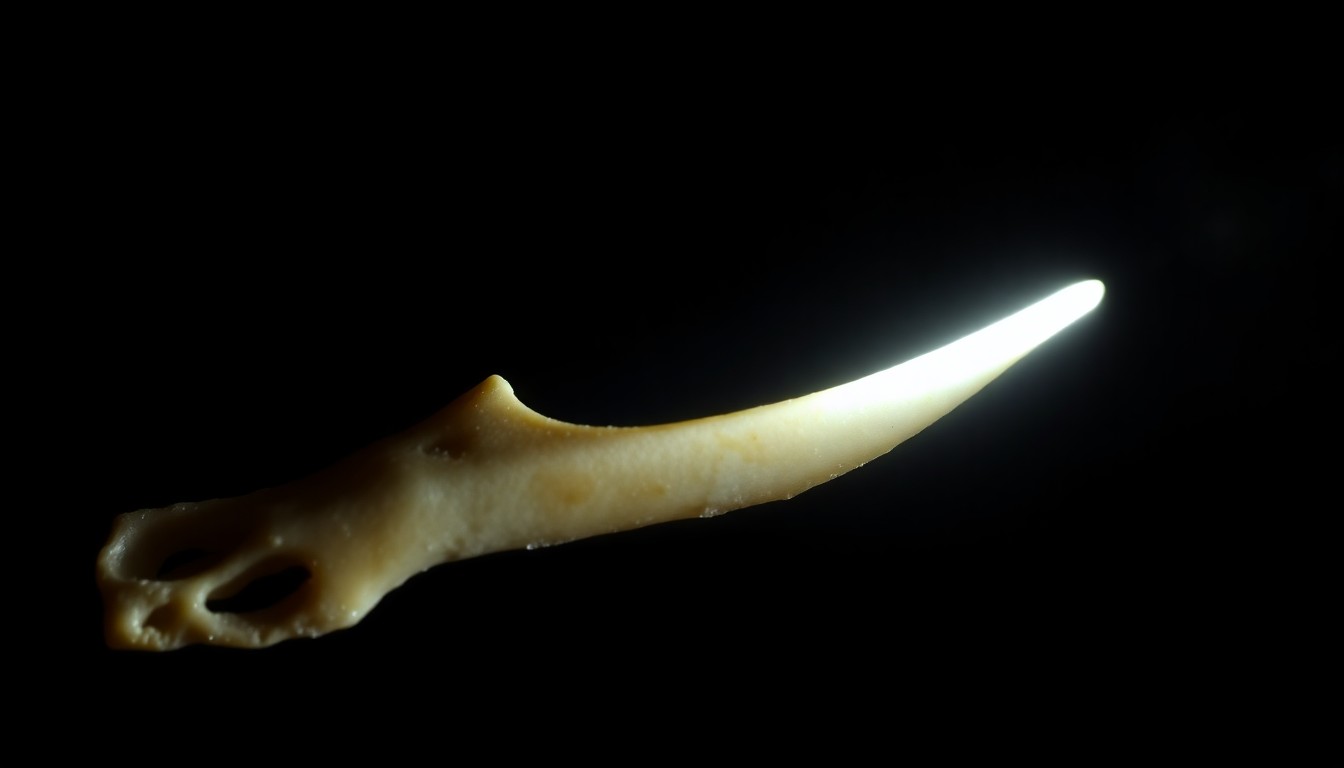 Forensic investigation of a decades-old cold case uncovers the haunting remains of a missing person.Williams Today
The remains of a Billings, Montana man who went missing over 50 years ago have been positively identified by Oregon authorities after an extensive forensic investigation. Mark Smith, who was 19 years old when he disappeared in 1974, was identified through DNA analysis and genealogical records.
Why it matters
This case highlights the power of modern forensic science and genetic genealogy to solve cold cases and provide closure for families of missing persons, even decades later. It also underscores the persistence of law enforcement in pursuing these types of investigations over many years.
The details
In 1978, a logging crew in Josephine County, Oregon discovered partial skeletal remains, including a skull and shoulder blade, along with clothing fragments. Authorities at the time were unable to identify the individual. In 2020, the remains were submitted for DNA extraction and analysis, which determined the remains were male. Oregon's state medical examiner's office then worked with a private lab to identify potential relatives through genealogical records. This eventually led them to Smith's family, who confirmed his disappearance, allowing authorities to confirm the remains belonged to him.
- Mark Smith went missing from Billings, Montana in 1974 at the age of 19.
- Partial skeletal remains were discovered by a logging crew in Josephine County, Oregon on May 9, 1978.
- In 2020, the remains were submitted for DNA analysis, which determined they belonged to a male.
- In 2025, further genealogical analysis identified a previously unknown branch of the family tree, leading authorities to Smith's family.
- On February 26, 2026, the Oregon State Medical Examiner's Office positively identified the remains as belonging to Mark Smith.
The players
Mark Smith
A 19-year-old man from Billings, Montana who went missing in 1974 and whose remains were identified in 2026 after being discovered in Oregon in 1978.
Oregon State Police
The law enforcement agency that investigated the discovery of the remains and worked with the Oregon State Medical Examiner's Office to identify them as belonging to Mark Smith.
Hailey Collord-Stalder
The Oregon state forensic anthropologist who commented on the identification of Mark Smith's remains.
DNA Labs International
The private firm that worked with the Oregon State Medical Examiner's Office to identify the remains through genealogical records.
University of North Texas
The institution that extracted and analyzed the DNA from the remains in 2020, determining they belonged to a male.
What they’re saying
“We are grateful that Mark has finally been returned to his family. This identification reflects years of persistence, scientific collaboration, and the evolving power of forensic genetic genealogy.”
— Hailey Collord-Stalder, Oregon state forensic anthropologist
What’s next
Authorities have found no evidence to suggest foul play, but Oregon State Police said they are continuing to investigate the circumstances surrounding Smith's death.
The takeaway
This case demonstrates the remarkable progress in forensic science and genetic genealogy that has enabled law enforcement to solve cold cases and provide closure for families decades after a person's disappearance. It underscores the importance of persistent investigations and the power of collaborative efforts between various scientific and law enforcement agencies.