- Today
- Holidays
- Birthdays
- Reminders
- Cities
- Atlanta
- Austin
- Baltimore
- Berwyn
- Beverly Hills
- Birmingham
- Boston
- Brooklyn
- Buffalo
- Charlotte
- Chicago
- Cincinnati
- Cleveland
- Columbus
- Dallas
- Denver
- Detroit
- Fort Worth
- Houston
- Indianapolis
- Knoxville
- Las Vegas
- Los Angeles
- Louisville
- Madison
- Memphis
- Miami
- Milwaukee
- Minneapolis
- Nashville
- New Orleans
- New York
- Omaha
- Orlando
- Philadelphia
- Phoenix
- Pittsburgh
- Portland
- Raleigh
- Richmond
- Rutherford
- Sacramento
- Salt Lake City
- San Antonio
- San Diego
- San Francisco
- San Jose
- Seattle
- Tampa
- Tucson
- Washington
Conservation Groups Hold Public Meetings on Forest Protections After Feds Won't
Oregon Congresswoman and Sierra Club lead public forums on the future of the Roadless Rule as federal officials remain silent
Apr. 11, 2026 at 6:10am by Ben Kaplan
Got story updates? Submit your updates here. ›
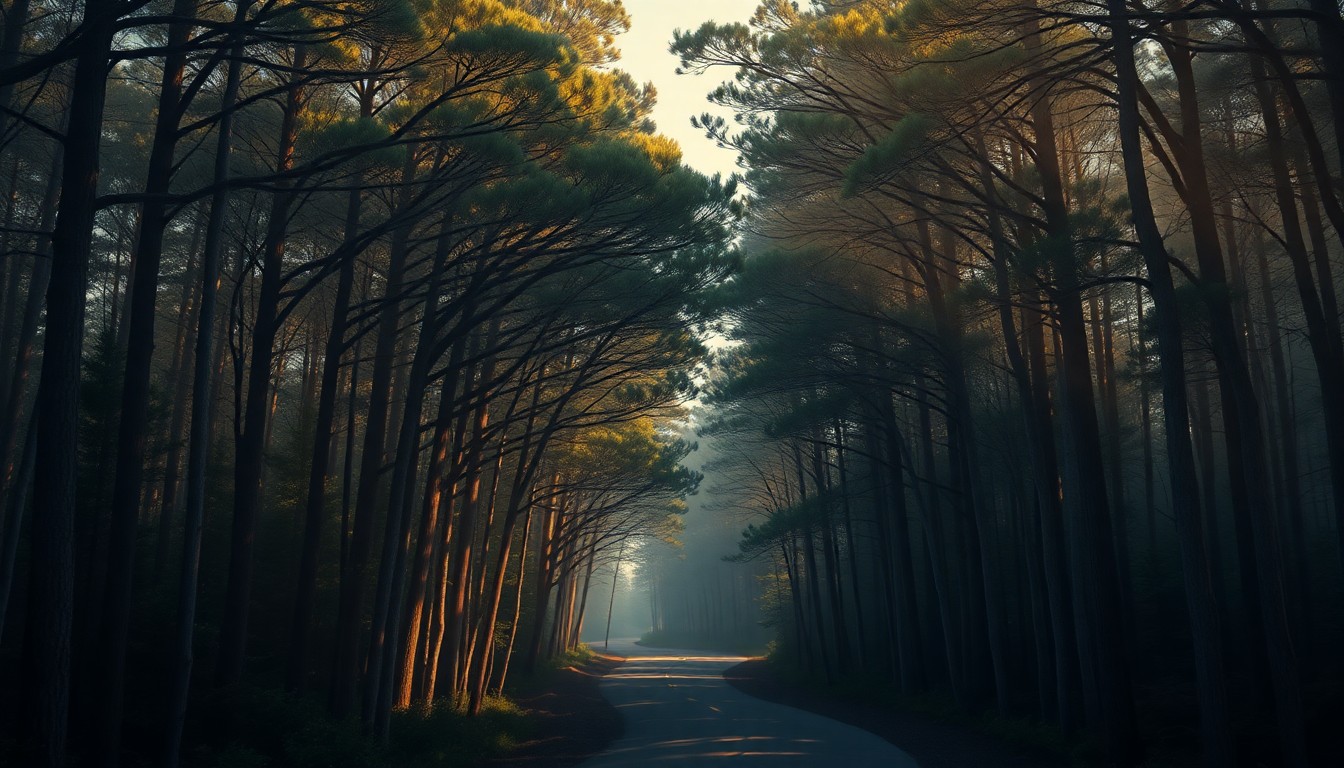 The Roadless Rule has protected millions of acres of national forests from development for over 20 years, but the federal government now proposes to roll it back, raising concerns about the future of these vital natural landscapes.Portland Today
Conservation groups in Oregon, led by U.S. Representative Andrea Salinas and the Sierra Club, are hosting a series of public meetings to discuss the future of the Roadless Rule after federal officials announced plans to terminate the protections without holding any public input sessions. The Roadless Rule prohibits road construction, logging, and mining on roughly 60 million acres of public land, including 2 million acres in Oregon.
Why it matters
The Roadless Rule has been a critical policy for protecting sensitive forest ecosystems and watersheds across the Western U.S. for over 20 years. With the federal government now proposing to roll back these protections, conservation groups are stepping in to give the public a voice on an issue that has major implications for the environment, climate change, and public safety in forested communities.
The details
After the U.S. Department of Agriculture, which oversees the U.S. Forest Service, announced plans in August 2026 to terminate the Roadless Rule, federal officials have not held a single public meeting on the proposal. In response, U.S. Representative Andrea Salinas and the Oregon chapter of the Sierra Club have organized a series of three public forums this month in Portland, Bend, and Eugene to allow residents to voice their concerns. The first public comment period on the rule change brought in over 600,000 comments, the majority of which opposed rolling back the protections.
- In August 2026, the USDA announced plans to terminate the 2001 Roadless Rule.
- The first public comment period on the proposal closed in September 2026 after receiving over 600,000 comments.
- Representative Salinas and the Sierra Club held public meetings in Portland on April 12, 2026, in Bend on April 10, 2026, and have scheduled another meeting in Eugene on April 14, 2026.
The players
Andrea Salinas
A Democratic U.S. Representative from Oregon's Willamette Valley and the ranking member of the House Agriculture Committee's forestry subcommittee.
Brooke Rollins
The leader of the U.S. Department of Agriculture, which oversees the U.S. Forest Service and proposed terminating the Roadless Rule.
Sierra Club
A prominent national environmental organization that is leading public meetings in Oregon on the future of the Roadless Rule.
Jared Kennedy
An employee of the Greater Hells Canyon Council in Enterprise, Oregon.
Kristin Faulkner
An attendee at the public meetings who previously participated in the process to establish the Roadless Rule in the 1990s and 2000s.
What they’re saying
“That's more than enough miles of road to circle the Earth and then still drive to Portland from Enterprise and back.”
— Jared Kennedy, Employee, Greater Hells Canyon Council
“Here we are 26 years later, or six presidential terms later, or a generation later, to again defend why we desperately need the Roadless Rule to remain fully intact more than ever before.”
— Kristin Faulkner
What’s next
Representative Salinas said a second public comment period on the proposed termination of the Roadless Rule will open 'any day now', and she plans to use that opportunity to urge the administration to change course.
The takeaway
The public meetings organized by Representative Salinas and the Sierra Club highlight the strong grassroots opposition to rolling back the Roadless Rule, which has protected sensitive forest ecosystems for over two decades. With the federal government moving to terminate these protections without public input, conservation groups are stepping up to ensure the voices of local communities are heard on this critical environmental issue.
Portland top stories


Portland events

Apr. 11, 2026
Portland Timbers vs. Los Angeles Football Club
Apr. 11, 2026
Oregon Symphony presents Ravel & Saint-Sa??ns
Apr. 11, 2026
STONER with Crooked Looks & Hopeless Devils