- Today
- Holidays
- Birthdays
- Reminders
- Cities
- Atlanta
- Austin
- Baltimore
- Berwyn
- Beverly Hills
- Birmingham
- Boston
- Brooklyn
- Buffalo
- Charlotte
- Chicago
- Cincinnati
- Cleveland
- Columbus
- Dallas
- Denver
- Detroit
- Fort Worth
- Houston
- Indianapolis
- Knoxville
- Las Vegas
- Los Angeles
- Louisville
- Madison
- Memphis
- Miami
- Milwaukee
- Minneapolis
- Nashville
- New Orleans
- New York
- Omaha
- Orlando
- Philadelphia
- Phoenix
- Pittsburgh
- Portland
- Raleigh
- Richmond
- Rutherford
- Sacramento
- Salt Lake City
- San Antonio
- San Diego
- San Francisco
- San Jose
- Seattle
- Tampa
- Tucson
- Washington
Portland Protesters March Against Capitalism
Demonstrators call for socialist reforms at 'No Kings' rally
Apr. 8, 2026 at 3:48am by Ben Kaplan
Got story updates? Submit your updates here. ›
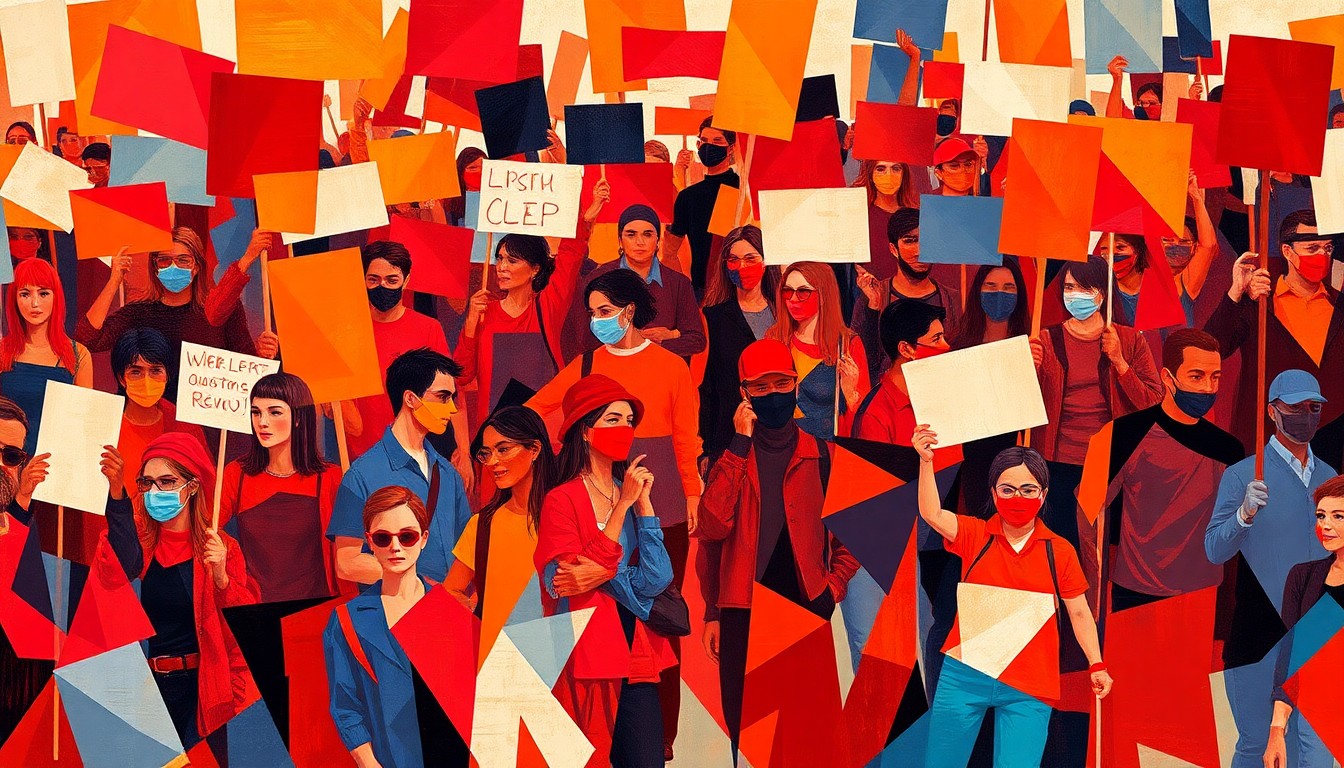 Demonstrators at the 'No Kings' march in Portland call for a transition away from capitalism toward a socialist economic model.Portland Today
Thousands of protesters gathered in downtown Portland on March 28th for the 'No Kings' march, voicing opposition to capitalism and calling for a transition to socialist economic policies. Demonstrators carried signs denouncing corporate power and demanding greater wealth redistribution.
Why it matters
The 'No Kings' protest reflects growing anti-capitalist sentiment among younger generations in the Pacific Northwest, where rising costs of living and wealth inequality have fueled discontent with the current economic system.
The details
The march was organized by a coalition of left-wing activist groups, labor unions, and socialist political parties. Protesters marched through the streets of downtown Portland, chanting slogans like 'Tax the rich' and 'Abolish private property.' Several speakers addressed the crowd, criticizing the concentration of wealth and power in the hands of a small elite.
- The 'No Kings' march took place on March 28, 2026 in downtown Portland.
The players
Taxpayers Association of Oregon
A conservative political advocacy group that published an article criticizing the 'No Kings' protest.
What they’re saying
“You can see signs that oppose capitalism. You can also see signs of support for socialism.”
— Taxpayers Association of Oregon
The takeaway
The 'No Kings' protest highlights the growing divide between those who support the current capitalist system and those who seek a more equitable, socialist alternative. As economic challenges persist, these ideological battles are likely to intensify in the Pacific Northwest and beyond.
Portland top stories



Portland events

Apr. 9, 2026
Flamy Grant

Apr. 9, 2026
Flamy Grant with Heather Mae