- Today
- Holidays
- Birthdays
- Reminders
- Cities
- Atlanta
- Austin
- Baltimore
- Berwyn
- Beverly Hills
- Birmingham
- Boston
- Brooklyn
- Buffalo
- Charlotte
- Chicago
- Cincinnati
- Cleveland
- Columbus
- Dallas
- Denver
- Detroit
- Fort Worth
- Houston
- Indianapolis
- Knoxville
- Las Vegas
- Los Angeles
- Louisville
- Madison
- Memphis
- Miami
- Milwaukee
- Minneapolis
- Nashville
- New Orleans
- New York
- Omaha
- Orlando
- Philadelphia
- Phoenix
- Pittsburgh
- Portland
- Raleigh
- Richmond
- Rutherford
- Sacramento
- Salt Lake City
- San Antonio
- San Diego
- San Francisco
- San Jose
- Seattle
- Tampa
- Tucson
- Washington
Researchers Develop Dual Treatment for Lung Cancer and Muscle Loss
Oregon State University scientists create lipid nanoparticles to deliver genetic therapy to lung tumors and combat cancer cachexia.
Apr. 7, 2026 at 1:04am
Got story updates? Submit your updates here. ›
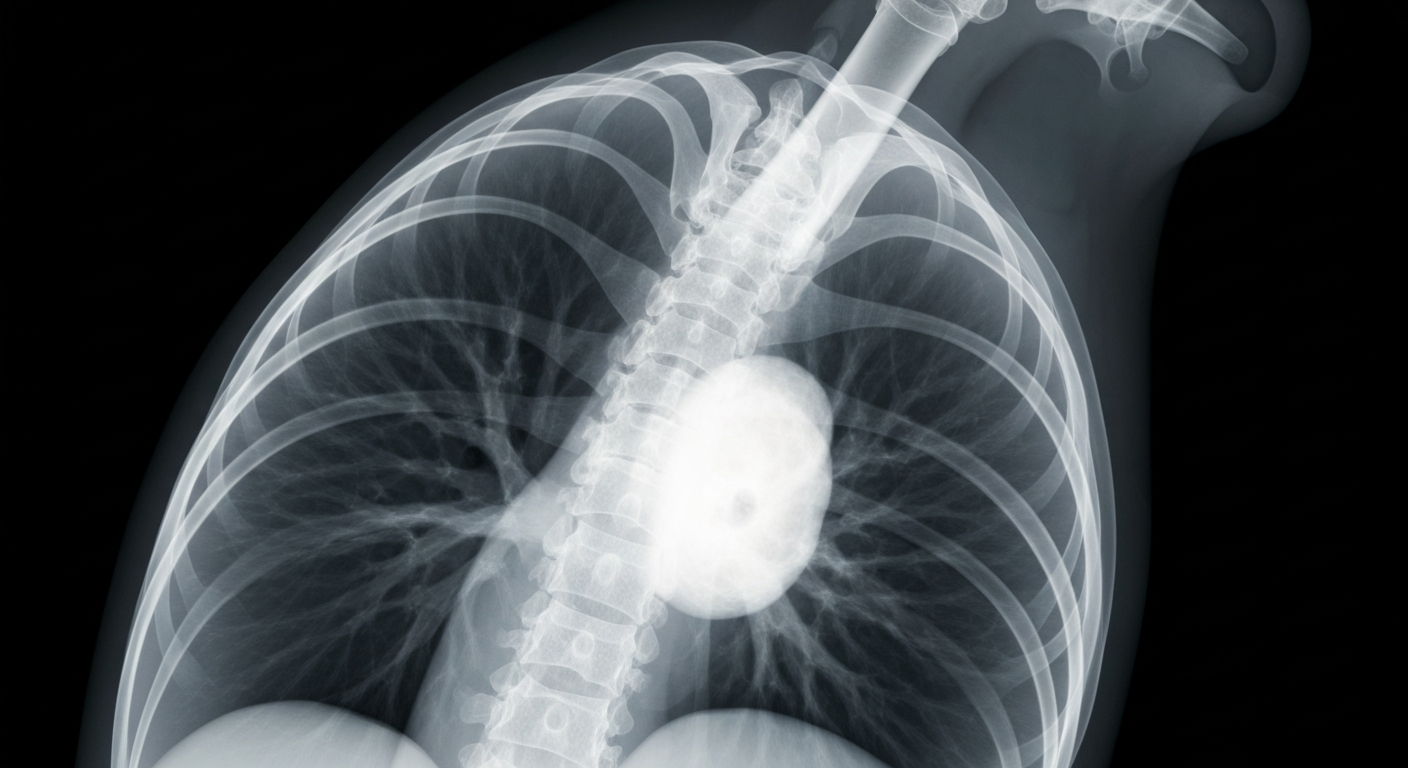 An innovative dual-action therapy aims to combat both lung cancer and the debilitating muscle-wasting condition that often accompanies it.Corvallis Today
Researchers at Oregon State University have developed a technique using lipid nanoparticles to simultaneously treat lung cancer and a serious muscle-wasting condition called cachexia that often accompanies it. The nanoparticles are loaded with follistatin messenger RNA, which triggers cells to produce the follistatin protein to inhibit tumors and promote muscle tissue growth.
Why it matters
Lung cancer is the third most common cancer in the U.S. and the leading cause of cancer death. Cachexia, a debilitating muscle-wasting syndrome, kills up to 30% of lung cancer patients it afflicts. This dual treatment approach could significantly improve outcomes for those battling both lung cancer and the associated muscle loss.
The details
The lipid nanoparticles (LNPs) can be administered intravenously and reach the lungs by binding to a protein called vitronectin found in blood serum. The LNPs then interact with integrin receptors that are overexpressed on the tumor surface, allowing the follistatin mRNA to accumulate in the lung cancer tumors. Once there, the mRNA triggers cells to produce the follistatin protein, which inhibits tumor growth and promotes muscle tissue regeneration.
- The study was published in the Journal of Controlled Release in April 2026.
The players
Oleh Taraula
Researcher at the Oregon State University College of Pharmacy and lead author of the study.
Yoon Tae Goo
Researcher at the Oregon State University College of Pharmacy and co-author of the study.
Oregon State University College of Pharmacy
The research institution where the study was conducted.
Journal of Controlled Release
The scientific journal that published the study.
Endevica Bio
A company that develops peptide therapies and contributed to the research.
What they’re saying
“Systemic delivery of mRNA therapeutics to lung cancer tumors has been a significant challenge in our field, and this work offers a promising solution.”
— Oleh Taratula, Researcher, Oregon State University College of Pharmacy
“Compared to conventional LNPs, which tend to accumulate in the liver upon systemic administration, our approach achieved an approximately 2.5-fold greater reduction in tumor burden.”
— Oleh Taratula, Researcher, Oregon State University College of Pharmacy
“By loading our LNPs with follistatin mRNA, we developed a therapy that simultaneously targets lung cancer and cancer cachexia, all without adverse effects.”
— Oleh Taratula, Researcher, Oregon State University College of Pharmacy
What’s next
More preclinical work is necessary, but the researchers are encouraged by the results and hope that testing in humans is down the road.
The takeaway
This dual treatment approach using lipid nanoparticles to deliver follistatin mRNA could significantly improve outcomes for lung cancer patients by simultaneously targeting the tumor and the associated muscle-wasting condition of cachexia, which is a major contributor to mortality in this patient population.