- Today
- Holidays
- Birthdays
- Reminders
- Cities
- Atlanta
- Austin
- Baltimore
- Berwyn
- Beverly Hills
- Birmingham
- Boston
- Brooklyn
- Buffalo
- Charlotte
- Chicago
- Cincinnati
- Cleveland
- Columbus
- Dallas
- Denver
- Detroit
- Fort Worth
- Houston
- Indianapolis
- Knoxville
- Las Vegas
- Los Angeles
- Louisville
- Madison
- Memphis
- Miami
- Milwaukee
- Minneapolis
- Nashville
- New Orleans
- New York
- Omaha
- Orlando
- Philadelphia
- Phoenix
- Pittsburgh
- Portland
- Raleigh
- Richmond
- Rutherford
- Sacramento
- Salt Lake City
- San Antonio
- San Diego
- San Francisco
- San Jose
- Seattle
- Tampa
- Tucson
- Washington
Oregon Braces for Potential Record-Breaking Drought and Wildfire Risk
State agencies and industries prepare for extreme weather conditions after mild winter and dry spring outlook
Apr. 6, 2026 at 4:07pm
Got story updates? Submit your updates here. ›
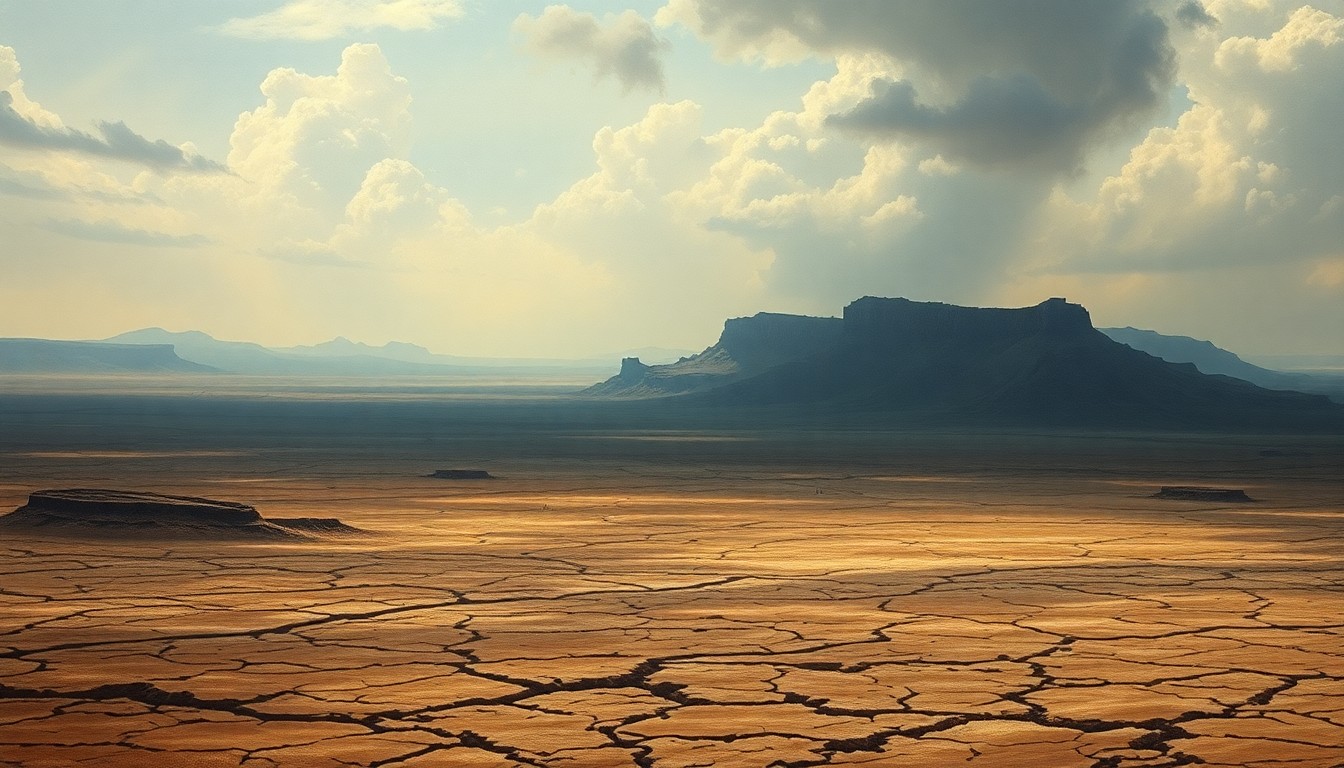 As Oregon braces for a potentially record-breaking drought, the state's vast, arid landscapes serve as a sobering reminder of the overwhelming power of nature and the urgent need to address the impacts of climate change.Bend Today
After a warm winter and dry spring outlook, Oregon is preparing for the potential of its warmest year on record and increased drought and wildfire risk this summer. State climatologist Larry O'Neill warns that the state's record-low snowpack levels, which are only one-third of normal, could lead to a severe drought rivaling 2015 conditions. To mitigate the impacts, the state has already declared drought emergencies in three eastern Oregon counties, and agencies like the Oregon State Fire Marshal are working on wildfire preparedness and defensible space initiatives. The Oregon Cattleman's Association is also helping ranchers protect their land and resources.
Why it matters
The combination of low snowpack, warm temperatures, and dry conditions raises serious concerns about the state's water supply and the risk of devastating wildfires this summer. Prolonged drought can have long-lasting negative impacts on fisheries and ecosystems, making it crucial for state agencies, industries, and residents to take proactive measures to prepare.
The details
Oregon's state climatologist Larry O'Neill warns that the state's record-low snowpack levels, which are only one-third of normal, could lead to a severe drought rivaling the conditions seen in 2015. This warm and dry trend, outlined in the NOAA spring outlook, can also significantly increase the risk of wildfires, potentially leading to an earlier and more extreme fire season. To address these challenges, the state has already declared drought emergencies in three eastern Oregon counties, and agencies like the Oregon State Fire Marshal are working on wildfire preparedness and defensible space initiatives. The Oregon Cattleman's Association is also helping ranchers protect their land and resources through strategies like livestock grazing to reduce fuel loads and protecting riparian zones.
- In early March, several counties had already requested support from the Drought Readiness Council to receive additional funding and aid for the summer.
- On March 31, Gov. Tina Kotek signed an executive order declaring drought emergencies in three eastern Oregon counties, clearing the way for extra state support.
- The Oregon State Fire Marshal's office looks to build defensible space - a buffer zone between vegetation and buildings - in early spring to help slow potential wildfire spread.
The players
Larry O'Neill
Oregon's state climatologist and an associate professor at Oregon State University, as well as a member of the state's Drought Readiness Council and Water Supply Availability Committee.
Tina Kotek
The governor of Oregon who signed an executive order declaring drought emergencies in three eastern Oregon counties.
John Hendricks
The public affairs specialist for the Oregon State Fire Marshal's office, which responds to wildfires year-round and works on preparedness and management for homeowners.
Diana Wirth
The president of the Oregon Cattleman's Association, a trade association that represents ranchers and offers a Wildfire Assistance fund to help members and non-members with wildfire recovery.
Oregon Department of Fish and Wildlife
The state agency that warns that prolonged drought can negatively affect native cold-water fish including trout, salmon and steelhead.
What they’re saying
“It's a very worrying trend. Because it was so warm, our snowpack just really failed to build. Snowpack functionally acts as a reservoir for water. Basically, our largest reservoir of water is nearly empty at this point in time.”
— Larry O'Neill, Oregon State Climatologist
“If you want a bad wildfire season, you start with a bad snowpack, and so right now, we can't predict exactly what it'll be like in the summer. But if we have a dry spring, the bad snowpack then the dry spring will really kind of put the nail in that coffin. I'm increasingly concerned that this will end up rivaling 2015 as the warmest calendar year on record in Oregon.”
— Larry O'Neill, Oregon State Climatologist
“It's going to take all of us, within the state, to do our part as we deal with more and more fires each summer. (We) often say that Mother Nature sometimes gives us enough for us to handle, and we don't need our fellow humans doing the same thing and contributing to that.”
— John Hendricks, Public Affairs Specialist, Oregon State Fire Marshal's Office
What’s next
The judge in the case will decide on Tuesday whether or not to allow Walker Reed Quinn out on bail.
The takeaway
This situation highlights the urgent need for Oregon to prepare for the increasing frequency and severity of extreme weather events driven by climate change. By taking proactive measures to mitigate drought and wildfire risk, the state can protect its natural resources, ecosystems, and communities, while also setting an example for other regions facing similar challenges.
Bend top stories


Bend events

Apr. 8, 2026
Black Violin
Apr. 10, 2026
It's A 2000s Party: Bend