- Today
- Holidays
- Birthdays
- Reminders
- Cities
- Atlanta
- Austin
- Baltimore
- Berwyn
- Beverly Hills
- Birmingham
- Boston
- Brooklyn
- Buffalo
- Charlotte
- Chicago
- Cincinnati
- Cleveland
- Columbus
- Dallas
- Denver
- Detroit
- Fort Worth
- Houston
- Indianapolis
- Knoxville
- Las Vegas
- Los Angeles
- Louisville
- Madison
- Memphis
- Miami
- Milwaukee
- Minneapolis
- Nashville
- New Orleans
- New York
- Omaha
- Orlando
- Philadelphia
- Phoenix
- Pittsburgh
- Portland
- Raleigh
- Richmond
- Rutherford
- Sacramento
- Salt Lake City
- San Antonio
- San Diego
- San Francisco
- San Jose
- Seattle
- Tampa
- Tucson
- Washington
U.S. Athletes Speak Out on Politics at Milan Olympics
American figure skaters and other Olympians address criticism of the U.S. during the Winter Games in Italy.
Feb. 7, 2026 at 7:31pm
Got story updates? Submit your updates here. ›
As the 2026 Winter Olympics in Milan, Italy, have become a stage for political commentary and protests against the United States, American athletes competing in the Games are speaking out about the country's issues and their role in representing the U.S. on the world stage. Figure skaters like Amber Glenn have addressed topics like LGBTQ+ rights, while fans like Fred Danbank have displayed signs apologizing for America's "bad behavior" and expressing a desire to "fix ourselves." The Olympics have long been a platform for political expression, but this year the U.S. finds itself on the defensive as international criticism mounts.
Why it matters
The 2026 Winter Olympics in Milan have become a venue for global political commentary, with the United States finding itself at the center of much of the criticism and protest. This puts American athletes in a difficult position, as they must reconcile their national pride and desire to compete for their country with the controversial actions and policies of the U.S. government. How these athletes navigate this tension and use their platform to address political issues reflects broader debates about the role of sports in society and the responsibilities of representing one's country on the world stage.
The details
During the figure skating competition, American fan Fred Danbank displayed a sign apologizing for the U.S.'s "bad behavior" and expressing a hope to "fix ourselves." Meanwhile, another American fan, Patti Masini, wore clothing with the word "Trump" on it, though she claimed it was not a political statement. The International Olympic Committee has rules against political displays at the Games, though it's unclear if these specific actions violated those policies. American athletes like figure skater Amber Glenn have also spoken out, addressing issues like LGBTQ+ rights that have been affected by the current U.S. administration.
- On February 7, 2026, Fred Danbank displayed his sign during the men's Olympic short program figure skating competition.
- On February 10, 2026, Vice President JD Vance was booed by the crowd when he appeared on screen during the opening ceremony at Milano San Siro Olympic Stadium.
- On February 12, 2026, Vice President Vance was booed again as he left a women's hockey game between the United States and Finland.
The players
Fred Danbank
A 61-year-old insurance executive from Greenwich, Connecticut who is a Republican and a figure skating fan attending the 2026 Winter Olympics in Milan.
Patti Masini
A woman in her late 40s from just outside Yerington, Nevada who attended the team figure skating competition at the 2026 Winter Olympics wearing clothing with the word "Trump" on it, though she claimed it was not a political statement.
Amber Glenn
An American figure skater who identifies as bisexual/pansexual and has spoken out about LGBTQ+ rights and the current U.S. administration's policies affecting the community.
JD Vance
The Vice President of the United States, who was booed by the crowd when he appeared on screen during the opening ceremony and when leaving a women's hockey game at the 2026 Winter Olympics in Milan.
Hunter Hess
A halfpipe skier from Bend, Oregon who is competing for the United States at the 2026 Winter Olympics in Milan.
What they’re saying
“We're on a world platform here right now. And people need to know that we, as Americans, appreciate the world, we love the world, and we want to be part of the world.”
— Fred Danbank, Figure skating fan
“I'm here because I enjoy the Olympics and always have enjoyed the Olympics. And when it hit me — it did strike me — that, you know what, support Trump at the Olympics. And so I did.”
— Patti Masini
“It's a little hard. There's obviously a lot going on that I'm not the biggest fan of. Wearing the flag doesn't mean I represent everything that's going on in the U.S.”
— Hunter Hess, Halfpipe skier
“Yeah, it's been a hard time for the community overall, and this administration. It is the first time that we've had to come together as a community and try and fight for our human rights. And now especially, it's not just affecting the queer community, but many other communities.”
— Amber Glenn, Figure skater
“I know that a lot of people say, 'You're just an athlete,' like, 'Stick to your job,' 'Shut up about politics.' But politics affect us all. It is something that I will not just be quiet about, because it is something that affects us in our everyday lives. So of course, there are things that I disagree with, but as a community, we are strong, and we support each other, and brighter days are ahead of us.”
— Amber Glenn, Figure skater
What’s next
The International Olympic Committee is expected to review the political displays by fans and athletes at the 2026 Winter Olympics in Milan and determine if any rules were violated. Additionally, the U.S. government's response to the international criticism and protests directed at the country during the Games may be an ongoing story to follow.
The takeaway
The 2026 Winter Olympics in Milan have become a platform for global political commentary, with the United States at the center of much of the criticism and protest. This has put American athletes in a difficult position, as they must reconcile their national pride and desire to compete for their country with the controversial actions and policies of the U.S. government. How these athletes navigate this tension and use their platform to address political issues reflects broader debates about the role of sports in society and the responsibilities of representing one's country on the world stage.
Bend top stories


Bend events

Apr. 10, 2026
It's A 2000s Party: Bend
Apr. 15, 2026
Tommy Emmanuel w/ Jack Schneider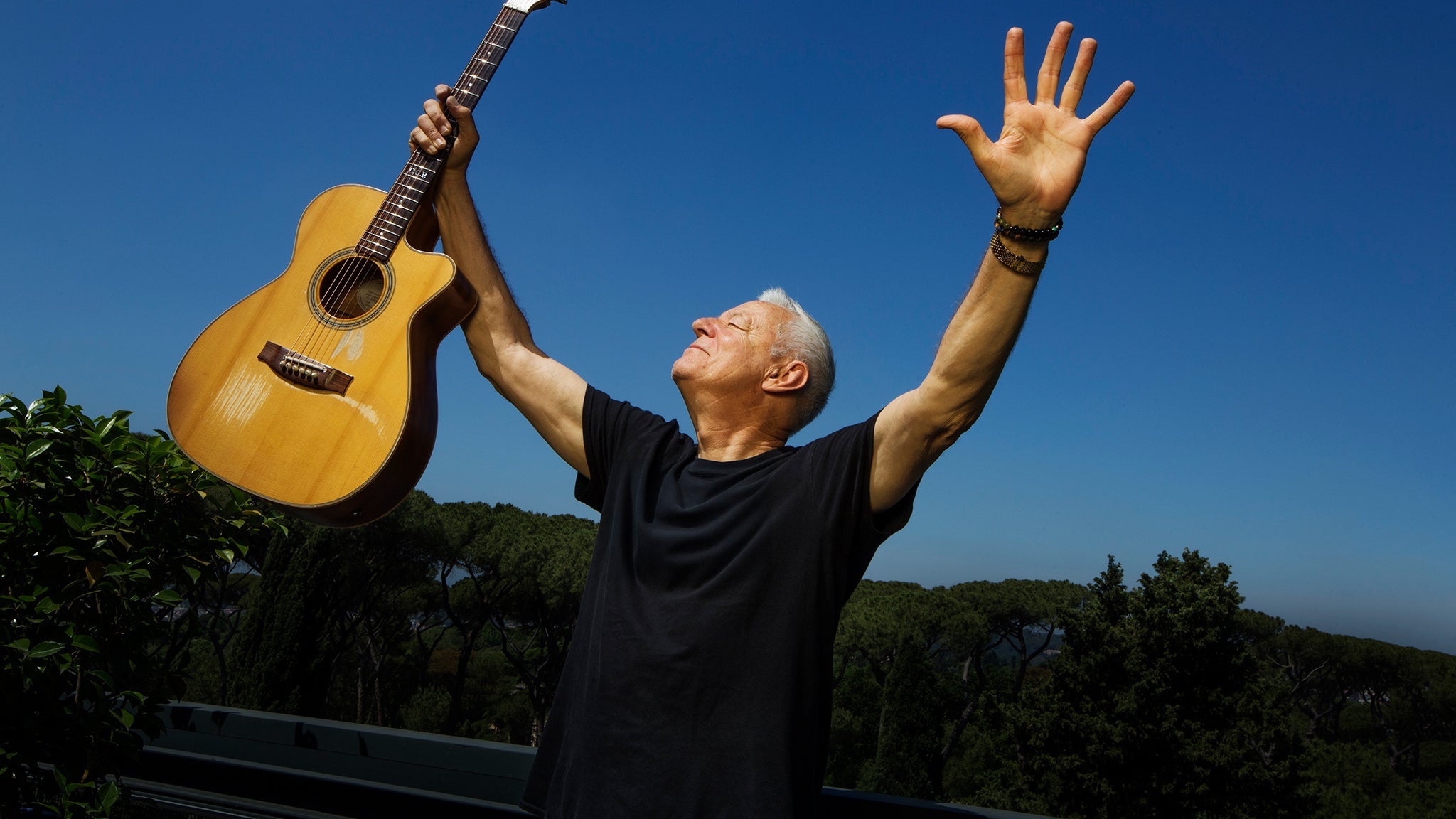
Apr. 15, 2026
Tommy Emmanuel, CGP