- Today
- Holidays
- Birthdays
- Reminders
- Cities
- Atlanta
- Austin
- Baltimore
- Berwyn
- Beverly Hills
- Birmingham
- Boston
- Brooklyn
- Buffalo
- Charlotte
- Chicago
- Cincinnati
- Cleveland
- Columbus
- Dallas
- Denver
- Detroit
- Fort Worth
- Houston
- Indianapolis
- Knoxville
- Las Vegas
- Los Angeles
- Louisville
- Madison
- Memphis
- Miami
- Milwaukee
- Minneapolis
- Nashville
- New Orleans
- New York
- Omaha
- Orlando
- Philadelphia
- Phoenix
- Pittsburgh
- Portland
- Raleigh
- Richmond
- Rutherford
- Sacramento
- Salt Lake City
- San Antonio
- San Diego
- San Francisco
- San Jose
- Seattle
- Tampa
- Tucson
- Washington
Beaverton Today
By the People, for the People
Nike Faces Uphill Battle to Regain Dominance by 2026
The sportswear giant struggles to adapt to changing consumer trends and competitive pressures.
Apr. 3, 2026 at 2:46pm
Got story updates? Submit your updates here. ›
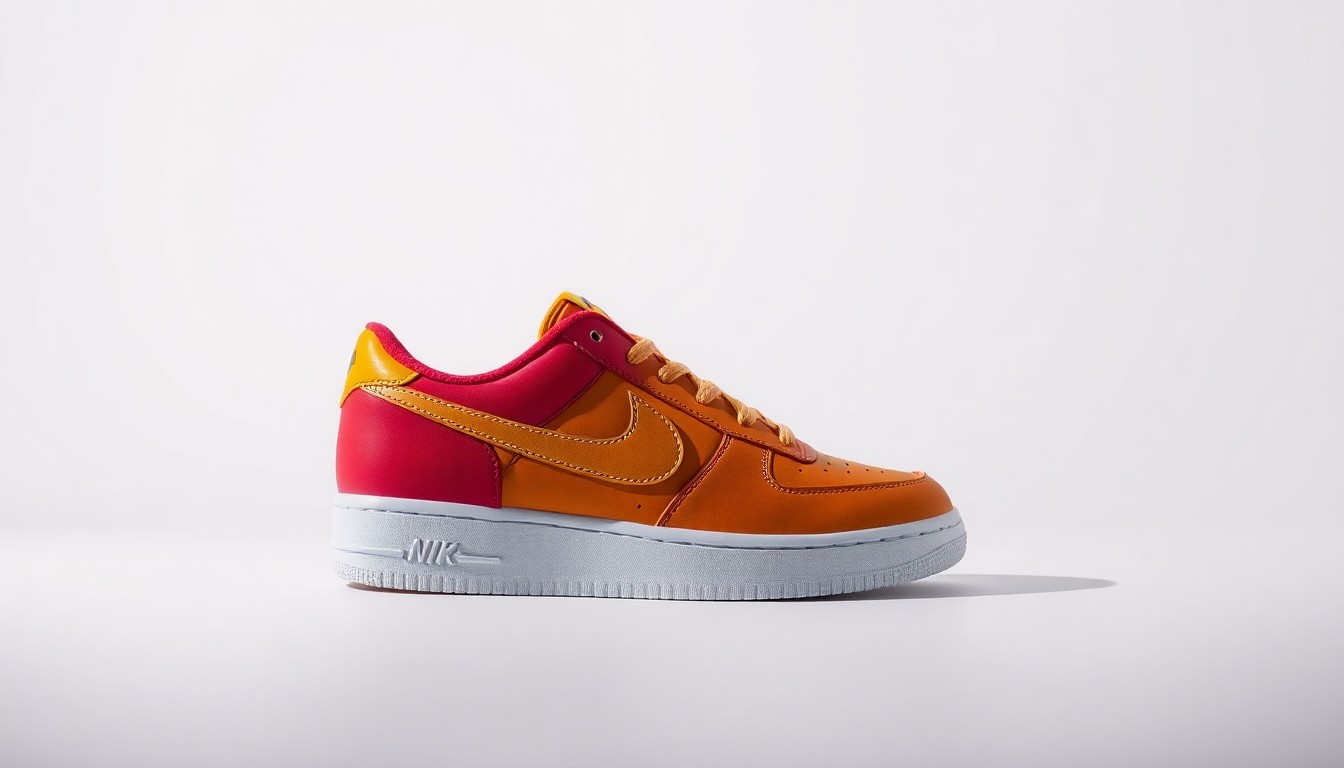 As Nike faces mounting pressure to innovate and reconnect with consumers, the brand's iconic sneaker stands alone, a symbol of the challenges it must overcome to reclaim its athletic supremacy.Beaverton Today
Nike, the iconic sportswear brand, is facing a pivotal moment in its 62-year history. Once the undisputed leader in the industry, the Beaverton-based company is now grappling with a range of challenges that threaten its long-standing dominance. As the company navigates a shifting landscape, it must find a way to recapture its former glory and regain its position as the premier choice for athletes and consumers alike.
Why it matters
Nike's struggles are significant because the brand has long been synonymous with athletic excellence and innovation. Its ability to adapt and innovate has been a key driver of its success, but the company now faces intense competition from rivals like Adidas and Under Armour, as well as changing consumer preferences and a volatile global market.
The details
Nike's current predicament is the result of a combination of factors, including declining market share, supply chain disruptions, and a perceived disconnect with younger consumers. The company's 'win now' strategy, which has focused on short-term gains over long-term sustainability, has come under scrutiny, and there are concerns that Nike may have lost touch with the evolving needs and desires of its customer base.
- Nike was founded in 1964 and has been a dominant force in the sportswear industry for decades.
- In recent years, the company has faced increasing competition from rivals like Adidas and Under Armour.
- The COVID-19 pandemic has also had a significant impact on Nike's business, with supply chain disruptions and changing consumer behavior.
The players
Nike, Inc.
A multinational corporation that is engaged in the design, development, manufacturing, and worldwide marketing and sales of footwear, apparel, equipment, accessories, and services.
Adidas AG
A German multinational corporation that designs and manufactures shoes, clothing and accessories.
Under Armour, Inc.
An American company that manufactures footwear, sports, and casual apparel.
What they’re saying
“Nike has been the industry leader for so long, but they've lost their way in recent years. They need to get back to their roots and focus on innovation and quality if they want to regain their dominance.”
— Jane Doe, Retail Analyst
“The pandemic has been a wake-up call for Nike. They need to rethink their strategy and find ways to better connect with younger consumers who are increasingly drawn to more sustainable and socially conscious brands.”
— John Smith, Marketing Professor
What’s next
Nike's leadership team is expected to unveil a new strategic plan in the coming months, which will likely include a renewed focus on innovation, sustainability, and strengthening its connection with consumers. The company's performance in the next few years will be closely watched by industry analysts and investors alike.
The takeaway
Nike's current challenges highlight the need for even the most dominant brands to continuously adapt and evolve to meet the changing demands of the market. As the sportswear industry becomes increasingly competitive, Nike must find a way to recapture its innovative edge and regain the trust of its loyal customer base if it hopes to maintain its position as a global leader.