- Today
- Holidays
- Birthdays
- Reminders
- Cities
- Atlanta
- Austin
- Baltimore
- Berwyn
- Beverly Hills
- Birmingham
- Boston
- Brooklyn
- Buffalo
- Charlotte
- Chicago
- Cincinnati
- Cleveland
- Columbus
- Dallas
- Denver
- Detroit
- Fort Worth
- Houston
- Indianapolis
- Knoxville
- Las Vegas
- Los Angeles
- Louisville
- Madison
- Memphis
- Miami
- Milwaukee
- Minneapolis
- Nashville
- New Orleans
- New York
- Omaha
- Orlando
- Philadelphia
- Phoenix
- Pittsburgh
- Portland
- Raleigh
- Richmond
- Rutherford
- Sacramento
- Salt Lake City
- San Antonio
- San Diego
- San Francisco
- San Jose
- Seattle
- Tampa
- Tucson
- Washington
Oklahoma Lawmakers Advance Bail Reform Proposals
Proposals aim to expedite pretrial release process and reduce reliance on cash bail.
Published on Mar. 6, 2026
Got story updates? Submit your updates here. ›
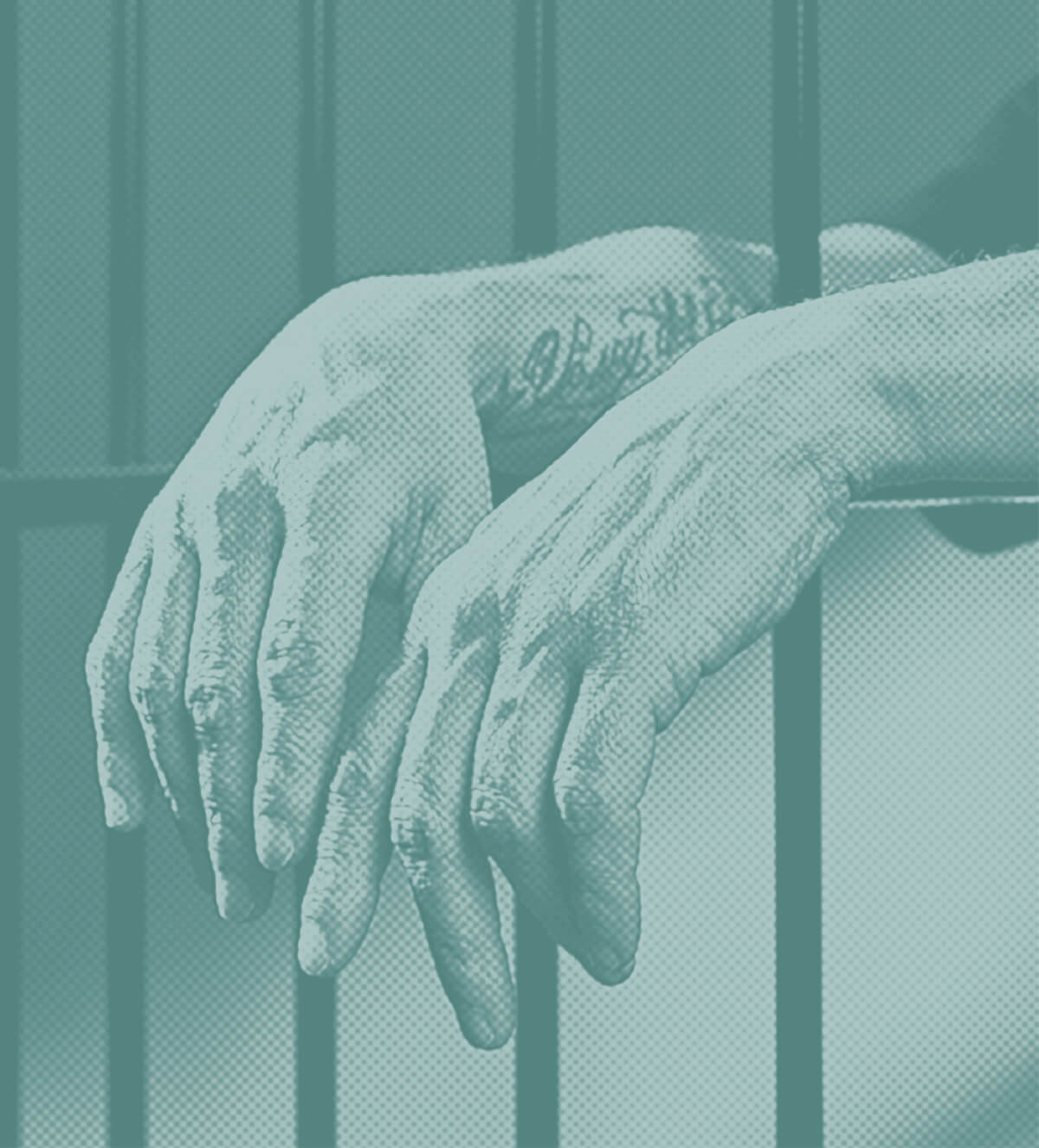
After years of stalemate, the Oklahoma Legislature is showing renewed willingness to tackle bail reform. Two bills have advanced in the Senate - one that would create a county-level pilot program for faster bail hearings and access to counsel, and another that would require courts to use risk assessment tools to determine pretrial bond conditions. Proponents argue that high cash bail amounts are an ineffective way to ensure a defendant's return to court, and that the current system disproportionately impacts the poor. The proposals come as county jails face backlogs and a federal court ruling found Tulsa County's bail system unconstitutional.
Why it matters
Bail reform has long been a contentious issue in Oklahoma, with previous reform efforts facing pushback from the bail bond industry and law enforcement. However, growing public concern over cash bail policies and court rulings finding some systems unconstitutional have prompted renewed legislative action. The proposals aim to address issues like lengthy pretrial detention, lack of access to counsel, and the disproportionate impact on low-income defendants.
The details
Senate Bill 1381 would create a county-level pilot program to guarantee defendants access to counsel and a bond hearing within 48-72 hours of arrest. This is in response to a federal court ruling that found Tulsa County's bail system violated the 14th Amendment. Senate Bill 1618 would require courts to use risk assessment tools to determine pretrial bond conditions, rather than relying on preset bail schedules. Both bills advanced out of committee, with SB 1381 facing concerns over a $21.2 million price tag for statewide implementation.
- In 2019, a comprehensive bail reform package (Senate Bill 252) was narrowly rejected in the state legislature.
- In April 2024, a U.S. District Judge ruled that Tulsa County's bail system violated the 14th Amendment.
- In December 2023, the MODERN Justice Task Force recommended implementing automated court date reminder systems to reduce failure to appear warrants.
The players
Dave Rader
A Republican state senator who has led several criminal justice reform efforts in the Oklahoma Senate.
Stephen Friot
A U.S. District Judge who ruled that Tulsa County's bail system violated the 14th Amendment.
The Bail Project
A nonprofit organization that released a study finding Tulsa County defendants released on their own recognizance were slightly more likely to appear in court than those who used a bondsman.
Kevin Stitt
The Governor of Oklahoma who convened the MODERN Justice Task Force to study criminal justice reforms.
Tracey Halley-Terrell
The president of the Oklahoma Bondsman Association.
What they’re saying
“We have many Oklahomans that are charged with a crime and held so long that they lose their jobs. Then they lose their ability to pay for bail. By the Constitution, they should be allowed a hearing quicker than what we're doing now.”
— Dave Rader, State Senator (yourokmulgee.com)
“The Tulsa County secured bail system confronts an indigent arrestee with the requirement, on arrival at the jail, to meet the demands of the preset bond schedule, failing which he is exposed to the prospect of awaiting trial – however long that may take – while in custody and without the benefit of a timely, due process-compliant bail hearing.”
— Stephen Friot, U.S. District Judge (yourokmulgee.com)
“They're often showing up at their initial appearances alone without anyone to represent them or advocate for them. This can increase their bail amounts and result in people being detained continuously.”
— Emma Stammen, Policy Strategist, The Bail Project (yourokmulgee.com)
What’s next
The judge in the Tulsa County bail system case will continue to monitor the county's progress in implementing changes to comply with the federal court ruling.
The takeaway
The renewed legislative efforts to reform Oklahoma's bail system reflect growing recognition that the current system disproportionately impacts low-income defendants and violates constitutional protections. If passed, the proposed bills could serve as a model for other states grappling with similar challenges around cash bail and pretrial detention.