- Today
- Holidays
- Birthdays
- Reminders
- Cities
- Atlanta
- Austin
- Baltimore
- Berwyn
- Beverly Hills
- Birmingham
- Boston
- Brooklyn
- Buffalo
- Charlotte
- Chicago
- Cincinnati
- Cleveland
- Columbus
- Dallas
- Denver
- Detroit
- Fort Worth
- Houston
- Indianapolis
- Knoxville
- Las Vegas
- Los Angeles
- Louisville
- Madison
- Memphis
- Miami
- Milwaukee
- Minneapolis
- Nashville
- New Orleans
- New York
- Omaha
- Orlando
- Philadelphia
- Phoenix
- Pittsburgh
- Portland
- Raleigh
- Richmond
- Rutherford
- Sacramento
- Salt Lake City
- San Antonio
- San Diego
- San Francisco
- San Jose
- Seattle
- Tampa
- Tucson
- Washington
USAF AWACS Plane Damaged in Iranian Attack
Tinker Air Force Base aircraft hit in strike on Saudi base
Mar. 30, 2026 at 1:23am
Got story updates? Submit your updates here. ›
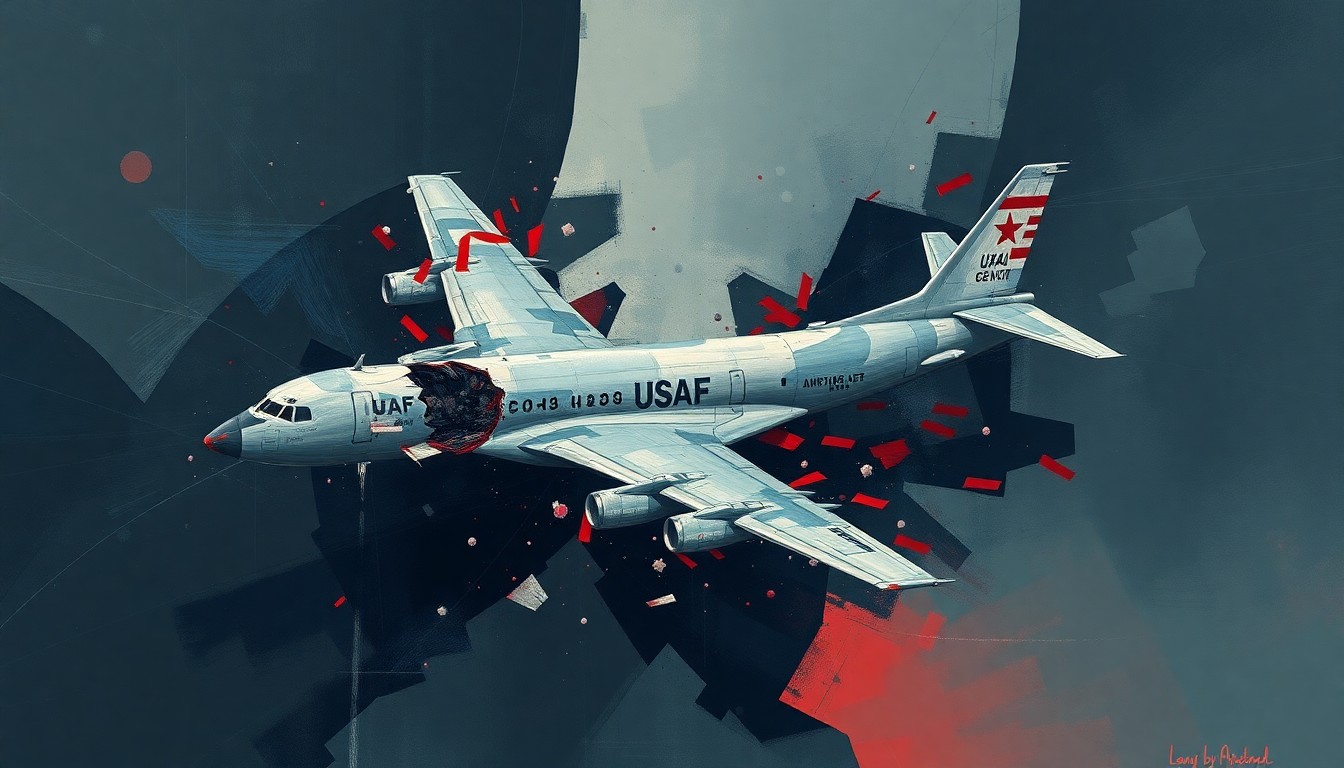 The damage to a critical U.S. Air Force surveillance plane highlights the ongoing regional tensions and the vulnerability of military assets in the Middle East.Oklahoma City Today
A U.S. Air Force E-3 Sentry AWACS command and control plane from Tinker Air Force Base in Oklahoma was among the aircraft damaged in an Iranian attack on Prince Sultan Air Base in Saudi Arabia on Friday.
Why it matters
The AWACS plane is a critical asset for U.S. air operations, providing airborne early warning and command and control capabilities. Any damage to these specialized aircraft could impact the military's ability to monitor and coordinate air activity in the region.
The details
The AWACS plane, which is based at Tinker Air Force Base in Oklahoma City, was on a routine mission when it was struck during the Iranian attack on the Saudi air base. The extent of the damage to the aircraft is still being assessed, but initial reports indicate it will require repairs before returning to service.
- The attack occurred on Friday, March 28, 2026.
The players
U.S. Air Force
The military branch that operates the AWACS aircraft.
Tinker Air Force Base
The Oklahoma City-based air force base that is home to the damaged AWACS plane.
Iran
The country that carried out the attack on the Saudi air base.
Prince Sultan Air Base
The Saudi air base that was targeted in the Iranian attack.
What’s next
The U.S. military is investigating the extent of the damage to the AWACS plane and determining what repairs will be needed before it can return to service.
The takeaway
This attack highlights the ongoing tensions in the region and the vulnerability of U.S. military assets, even when stationed at bases operated by allies. It underscores the importance of maintaining a strong defense and the ability to quickly respond to such threats.