- Today
- Holidays
- Birthdays
- Reminders
- Cities
- Atlanta
- Austin
- Baltimore
- Berwyn
- Beverly Hills
- Birmingham
- Boston
- Brooklyn
- Buffalo
- Charlotte
- Chicago
- Cincinnati
- Cleveland
- Columbus
- Dallas
- Denver
- Detroit
- Fort Worth
- Houston
- Indianapolis
- Knoxville
- Las Vegas
- Los Angeles
- Louisville
- Madison
- Memphis
- Miami
- Milwaukee
- Minneapolis
- Nashville
- New Orleans
- New York
- Omaha
- Orlando
- Philadelphia
- Phoenix
- Pittsburgh
- Portland
- Raleigh
- Richmond
- Rutherford
- Sacramento
- Salt Lake City
- San Antonio
- San Diego
- San Francisco
- San Jose
- Seattle
- Tampa
- Tucson
- Washington
Savvy Senior: What Causes Dizziness and How to Fix It
Older adults often experience dizziness, but there are ways to identify and address the underlying causes.
Mar. 30, 2026 at 12:00am
Got story updates? Submit your updates here. ›
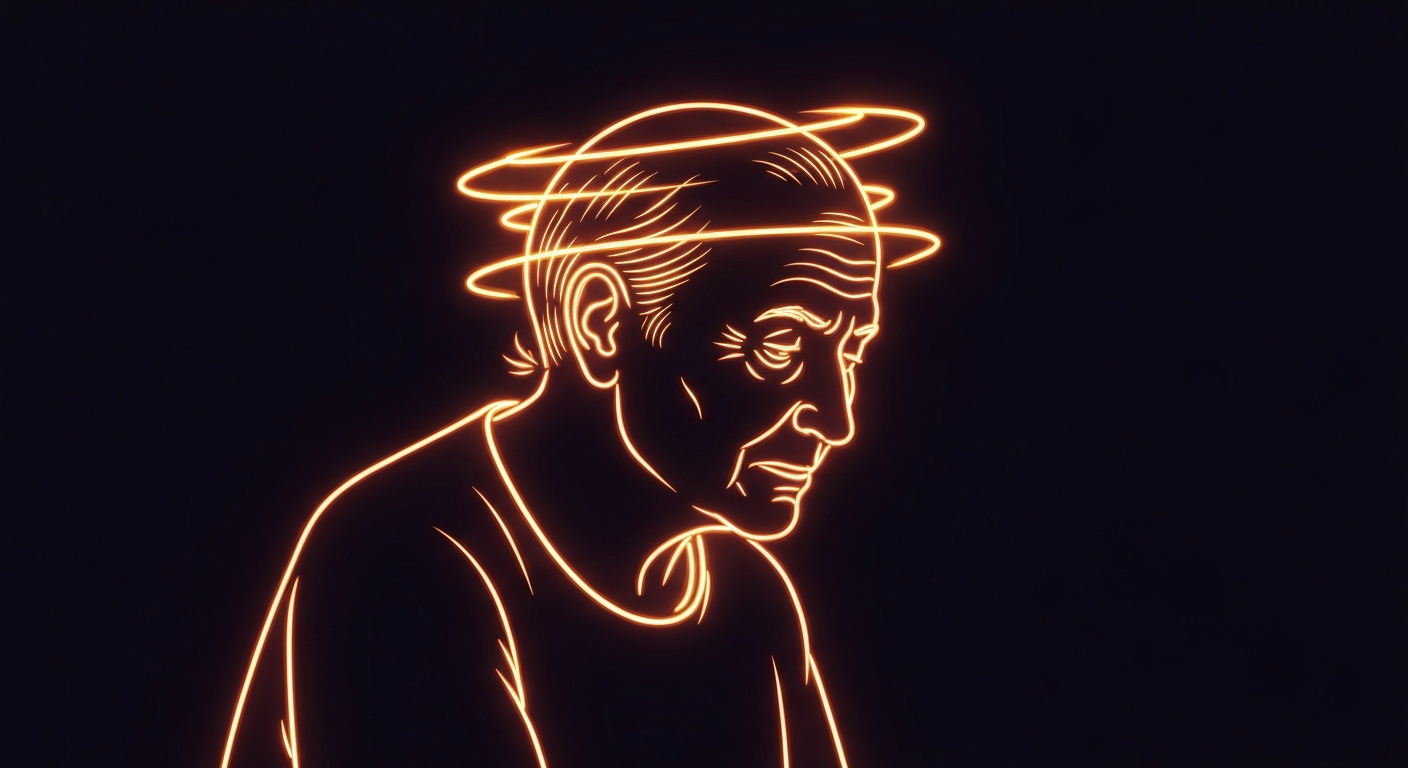 Dizziness can be a common and unsettling experience for older adults, but understanding the causes and seeking proper treatment can help maintain balance and prevent falls.Norman Today
This article from the Foster County Independent discusses the common causes of dizziness in older adults, including benign paroxysmal positional vertigo (BPPV), drops in blood pressure, medication side effects, and more. It provides guidance on when to seek medical attention and the various treatments available, such as the Epley maneuver, medication adjustments, and vestibular rehabilitation.
Why it matters
Dizziness can be a serious issue for older adults, as it can lead to falls and injuries. Understanding the potential causes and seeking appropriate treatment is important for maintaining balance, safety, and quality of life in the senior years.
The details
The article explains that dizziness is a common problem for older adults, with up to 30% of people over 60 and 50% over 85 experiencing it at some point. The most common cause is BPPV, where tiny crystals in the inner ear become dislodged, leading to vertigo triggered by changes in head position. Other causes include drops in blood pressure, medication side effects, dehydration, and declines in vision and hearing. The article advises that occasional brief dizziness is usually not a major concern, but persistent or sudden dizziness should be reported to a doctor, as it could signal a more serious underlying condition like a stroke.
- Dizziness is more likely to occur as people get older, with up to 50% of those over age 85 experiencing it.
The players
Dizzy Donna
The reader who wrote in to the Savvy Senior column about her experiences with dizziness.
What they’re saying
“Whether it's a moment of lightheadedness or the room-whirling sensation of vertigo, dizziness can be very unsettling.”
— Savvy Senior, Columnist
What’s next
If dizziness persists or worsens, the article recommends seeing a doctor to identify and address the underlying cause, which could range from medication adjustments to treating an inner ear disorder or other medical condition.
The takeaway
Dizziness is a common issue for older adults, but it's important to understand the potential causes and seek medical attention if it becomes persistent or severe. Proper treatment can help maintain balance, prevent falls, and improve quality of life.